Online Reporter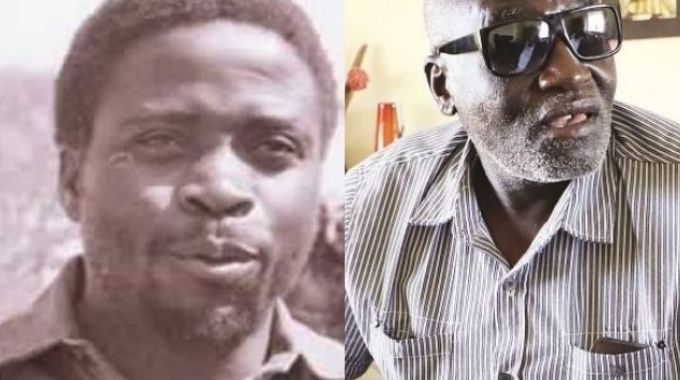
AS we close the month that is nationally dedicated to the commemoration of the country’s heroes and heroines we continue our discussion with Cde Jeffrey Ndlovu who said he received his military training at the age of 21 years in 1970 at Morogoro Training Camp in the East African country of Tanzania.
He mentioned that he was trained by the late ZPRA commander Cde Alfred Bakayi Nikita Mangena who was in the company of 12 other instructors. Lest We Forget sought to hear more about the training and the man credited for having not only trained but leading the execution of the liberation struggle from the front and reorganising ZPRA after the Chikerema-Nyandoro fiasco.
Day Editor, Vincent Gono (VG), continued the interview with Cde Jeffrey Ndlovu (JF) whose liberation name is Cde Kenneth Murwiri. Excerpts of the interview are below.
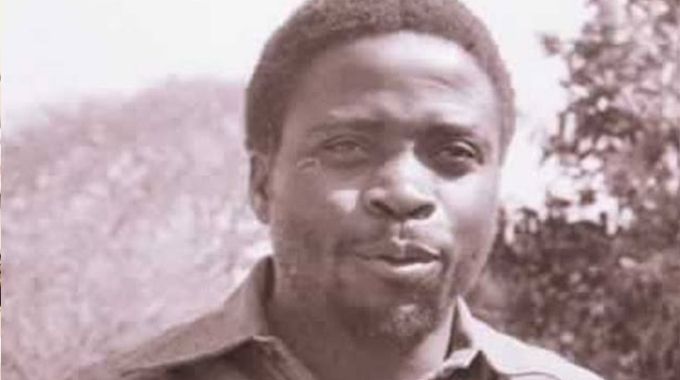
VG: Cde Ndlovu, we now know so much about you and you contribution to the struggle but there is a name that you kept mentioning in your story, that of Cde Alfred Nikita Mangena. Can you tell us more about this man?
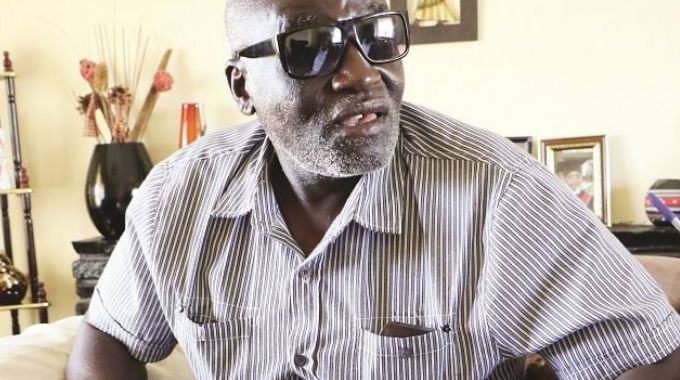
Cde Ndlovu: Yes, I am told he was trained in Algeria, where he was part of a distinguished group of 20 instructors who qualified from ZAPU. He became our instructor in Tanzania where we were trained as military officers, with a focus on physical fitness, martial arts like judo and toy-toy and military engineering. We also trained in various subjects such as e-combat tactics, topography, armament, political science, medical first aid and logistics. He was actually a trainer and was physically fit, which was essential for the demanding nature of the training. He had acquired those skills through the training in Algeria.
VG: You mentioned that he trained as a military officer and passed with distinction. How did that experience influence his role in the struggle?
Cde Ndlovu: That training prepared him to be a disciplined and capable officer. It also gave him the skills to train others and contribute effectively to our military operations. The knowledge he gained helped in organising and leading operations during the liberation struggle.
VG: Looking back to 1970, you were in your early twenties. Can you describe what the situation was like then and what you were involved in?
Cde Ndlovu: Yes, in 1970, I was about 21 years old. We were in Morogoro, where we received military training. After that, in 1971, internal crises arose within our political movements — ZAPU and ZANU — causing divisions and disruptions in our operations. We remained in Tanzania during this period, trying to reorganise and prepare for the next phase of the struggle.
VG: You mentioned a crisis within ZAPU and ZANU in 1971. What was the impact of this crisis on the liberation movement?
Cde Ndlovu: The crisis was very disruptive. ZAPU’s external leadership, headed by Cde James Chikerema, split from the main body and similar issues happened within ZANU. It affected operations, administration and morale. Rebellious ideas emerged and the unity of the struggle was compromised. We were recalled to the headquarters from Tanzania to regroup and reorganise.
Leaders who were influential in the reorganisation of ZPRA were Cde Jason Ziyapapa Moyo and Cde George Malan Silundika among others.
VG: After the crisis, how was the leadership restructured, especially within ZAPU and ZPRA?
Cde Ndlovu: Cde Mangena remained with the loyal cadres within ZAPU. He was appointed Chief of Staff and became the head of the new ZIPRA High Command at the end of 1971. The reorganisation involved appointing key leaders such as Alfred Nikita Mangena as Chief of Staff, Lookout Masuku as Political Commissar, Tapson Nkomani in military intelligence, Charles
Ngwenya in operations, Phelekezela Mphoko in logistics, and Cephas Cele in personnel and training. Under the command of Mangena after the departure of Chikerema-Nyandoro group, ZPRA matured and grew from strength to strength and developed into a well organised and disciplined force within a short space of time.
VG: Can you tell us about the main objectives of the ZPRA High Command after its reorganisation?
Cde Ndlovu: Their main tasks were to resuscitate operations, establish bases inside the country, recruit and train fighters, secure arms storage and set up crossing points. The goal was to fight inside the country – from within, not just from Zambia and to carry out successful operations against the enemy.
VG: What was the strategy for deploying forces into Zimbabwe and how did you organize the operational areas?
Cde Ndlovu: We planned to deploy forces across several operational zones—from Feira and Kazungula to Chirundu, Chiawa and Kariba, extending to areas like Siakobvu, Mora, Bumi Hills and Midlands. The idea was to establish a network of bases and crossing points, with forces infiltrating within the country to launch guerrilla operations. We aimed to stretch the enemy’s forces and create the impression of a large and coordinated attack, even though we were a relatively small force.
VG: And your first operation into Zimbabwe—what was it, and when did it happen?
Cde Ndlovu: Our first operation was operation Xoxoza where we blew a bridge and derailed a train in the Wankie area after crossing of the Zambezi River in March 1972. We had people like Cde
Abel Mazinyane who was an intelligence officer but had also trained engineering. We were jack of all trades then. It was part of the plan to re-enter the country, establish a foothold and begin active guerrilla warfare. We aimed to mislead the enemy into thinking we were a larger force than we actually were. Crossing the Zambezi River was not easy. It was one of the biggest hurdles but we were assisted by Cde Mangena and others. He was always there to ensure we succeeded.
VG: What kind of leadership style did he have?
Cde Ndlovu: Cde Mangena was very disciplined, strict and meticulous. He expected orders to be carried out thoroughly and never tolerated failure. He was a commanding figure, always in the front lines, living with us in the camps. He was not the type to command by radio, he preferred to be physically present and lead by example.
VG: How did Mangena motivate the fighters, especially during difficult times?
Cde Ndlovu: He used words of encouragement, emphasising the importance of liberating our country no matter how tough it was. He believed in living among the people and was committed to the struggle. His discipline and dedication inspired us all to persevere.
VG: Unfortunately, Mangena died in 1978. What was the cause of his death?
Cde Ndlovu: He was killed by a landmine while coming from burying the remains of Asaph Ndinda, a fierce fighter and commander of our strike force. After burying the remains, he signaled for the drivers to bring the vehicles as he was tired from walking. They had walked for about six kilometres when the vehicles were brought and they boarded. It was at that time that a landmine exploded and send the Land Rover vehicle that was carrying Cde Mangena into the air killing him. He died with four other but other commanders such as Cdes Jevan Maseko, Richard Dube, Eddie
Mlotshwa, Market Ndebele (Jack Mpofu) were injured. That was a great loss for us and for the liberation and it really affected us but we soldiered on strengthened by his resolve and dedication to liberate the country under the command of Cde Lookout Masuku who took over after Cde Mangena’s death. Cde Maseko became the Chief of Staff and Cde Ambrose Mutinhiri became the deputy commander.
VG: Thank you, Cde Ndlovu, for sharing these detailed insights into your experiences and the strategic operations during the liberation struggle.
Cde Ndlovu: It is my duty to share our history.