Liberty Dube
Entertainment Correspondent
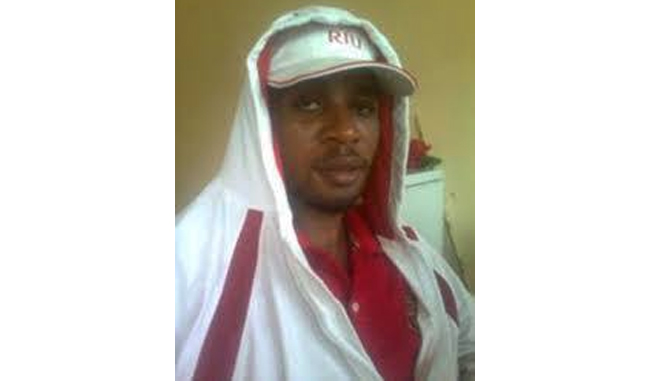
THIRTEEN years have passed, but for many music lovers in Mutare, the memories of Nyika Jamal Mataure remain as fresh as the songs he left behind.
In October 2013, the city woke to the news that one of its promising music talents had died.
Jamal was 37.
His death was not just the loss of a musician. It was the loss of a gifted keyboardist, songwriter and composer whose career, though short, had left an indelible mark on Mutare’s entertainment landscape.
The man behind the popular track, Kurwizi, which featured songstress, Betty Makaya, was gone.
But 13 years later, Jamal’s music continues to speak.
He succumbed to motor neuron disease, a condition that had affected him for more than three years.
Motor neuron diseases are progressive neurological disorders that damage nerve cells responsible for controlling voluntary muscle movements, including speaking, walking, breathing and swallowing.
For Jamal, the illness came at a time when his musical journey was gathering momentum.
Born on July 17, 1976, in Mozambique, Jamal attended Rujeko Primary School in Dangamvura, before attending Mount St Mary’s High School in Hwedza.
Music eventually became his passion.
He worked with several artistes before releasing Ghetto, an album that included the hit, Kurwizi. The song became hugely popular, and helped propel Makaya into the limelight.
Yet, behind the success was a musician who, according to people close to him, often felt that his own contribution had not received the recognition it deserved.
Jamal openly expressed his frustration over the financial rewards and recognition he missed from the song.
For an artiste who had poured his heart into his music, it was a painful reality. But Kurwizi was only a small part of his musical story.
Jamal had more than 50 unrecorded songs, a reminder of how much music was still locked away when he died.
Among the songs that showed his creativity were Mwana Wechikoro, Dzinomwa MunaZambezi and Moza.
He was also preparing for a comeback.
A new album, produced by a Mozambican producer, was in the pipeline, and featured songs such as Baba Tavakunorara, Mira Padoko, Menina and Mwana Wechikoro.
He would not live to see the project released.
For his mother, Ruth, music was, not simply a hobby for her son, but a calling.
“At first, we were strongly against his love for music. He was so passionate about it. We wanted him to concentrate on his education before anything else. But with time, we started supporting him after noticing some inexplicable obsession with music. He was very talented and never toiled to compose a song,” she recalled, in an interview held earlier with this publication.
These words perhaps explain Jamal better than any award or newspaper headline ever could.
His keyboard-playing skills and song-writing ability made him one of the distinctive talents to emerge from Mutare.
He had a charisma that drew people towards him and creative mind that refused to follow the ordinary path.
His death left a void that was immediately felt within the city’s entertainment fraternity. Such was the impact he had made that in 2014, artistes from across the country gathered at Courtauld Theatre for a commemorative gala in his honour.
The event featured several artistes, including Alishias “Maskiri” Musimbe, Extra Large, Madiz, Silver Vee, Mzimba, Flexxo and Assegai Crew. It was a powerful reminder that although Jamal’s life had ended, his music had not.
Today, his name may not dominate the charts as it once promised to. The music industry has moved on. New voices have emerged. New sounds have taken over. But every time Kurwizi plays, someone remembers Jamal.
Some remember the keyboardist and the husky voice, while others remember the young man who believed that music could take him somewhere.
Jamal may have left this world 13 years ago, but he did not leave empty-handed. He left behind melodies, memories and unfinished songs that continue to tell the story of a man whose life was cut short, but whose music refused to die.
Alongside other departed young Mutare artistes such as NME and Fortune Mparutsa, Jamal’s name remains part of the city’s rich musical history.
13 years later, Mutare remembers Jamal