


 Online Reporter
Gibson Nyikadzino-Zimpapers Politics Hub
ZIMBABWE is set to receive a consignment of human remains of First Chimurenga war heroes from South Africa next month nearly 130 years after they were taken from the country as war trophies by colonial forces.
The landmark development represents a historic breakthrough in Zimbabwe’s long-standing quest for restorative justice, addressing colonial-era dispossession and restoring national heritage.
The planned repatriation is expected ahead of this year’s Independence Day commemorations on April 18, adding profound historical significance and emotional weight to the national event.
It also adds symbolic weight to the long-running process of reclaiming the legacy of those who were the first to fight against colonial rule.
The Government is reportedly finalising high-level negotiations with South African authorities to facilitate the return, paving the way for the remains to be accorded dignified burials, in line with Zimbabwe’s cultural traditions and heritage.
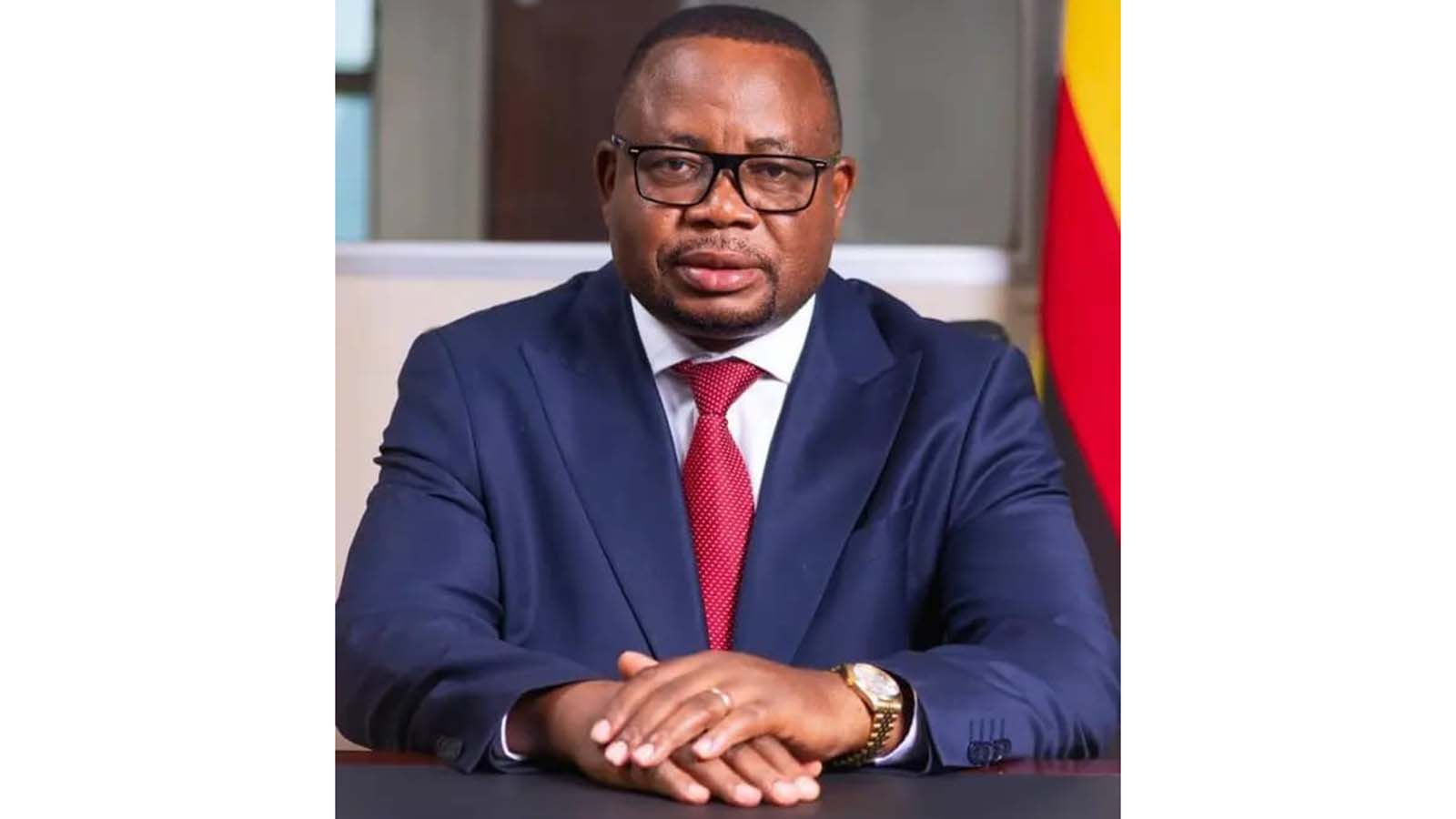
Permanent Secretary in the Ministry of Home Affairs and Cultural Heritage Ambassador Raphael Faranisi told The Sunday Mail that negotiations with South Africa were now at an advanced stage.
“There are human remains that are in South Africa, and we have been engaging the authorities in that country. According to our timelines, we expect to receive them before Independence Day commemorations,” he said.
“There are human remains that are in South Africa, and we have been talking to the authorities in that country and we are at an advanced stage. According to timelines of the negotiations we are having with South Africa, we hope to have the remains here before Independence Day this year. All I can say is that the ministry is seized with the issue and talks are at an advanced stage.”
Amb Faranisi added that an additional consignment of remains currently held in Europe is expected later this year, ahead of Heroes Day commemorations in August.
During the First Chimurenga of the 1890s, colonial forces brutally suppressed uprisings by indigenous communities resisting land dispossession and foreign rule. In some cases, captured leaders were executed and beheaded, with their heads taken as trophies and shipped to other parts of the world, including South Africa and Europe, for display, study or private collections.
Some of these remains ended up in South Africa through colonial networks that moved artefacts and human remains across territories under British control at the time, where they have remained for over a century.
Over time, these remains have remained housed in museums, universities and research institutions.
The National Museums and Monuments of Zimbabwe has already positively identified more than a dozen remains of First Chimurenga heroes held at institutions in the United Kingdom and Switzerland, with repatriation plans underway.
Prominent figures believed to be among those whose remains were taken abroad are Mbuya Nehanda, Sekuru Kaguvi, Chief Chinengundu Mashayamombe and Chief Makoni Chingaira — key leaders of the early resistance against colonial rule. It has been established that at least 11 remains are held at the Natural History Museum in London, while others are at the Duckworth Laboratory at the University of Cambridge and an institution in Switzerland.
Amb Faranisi said an inter-ministerial committee comprising the Ministries of Home Affairs and Cultural Heritage; Finance, Economic Development and Investment Promotion; and Local Government and Public Works is spearheading the process.
Its mandate includes coordinating repatriation, mobilising resources and ensuring consultations with key stakeholders, including traditional leaders and descendants of the fallen heroes.
Last year, the committee held consultations with traditional leaders to agree on cultural protocols and begin mobilising resources for the exercise.
Preparations are also underway to construct a high-tech facility to temporarily store and preserve the remains upon their return, ensuring they are kept under appropriate conditions before burial.
“We have our people who fought colonialism in the First Chimurenga and their remains were taken to South Africa by the colonisers,” added Amb Faranisi.
“Their remains need to be home. This case is different from the case of our heroes who were killed in Mozambique and buried that side. We need to accord our heroes decency.”
For decades, Zimbabwe has been pushing for the return of human remains taken during the First Chimurenga, many of which were used for scientific study or kept as colonial trophies.
Following extensive archival research tracing how they were removed from Zimbabwe, the Natural History Museum in London in 2019 submitted a report detailing the origins of some of the remains in its collection.
UK-based Zimbabwean and member of the Repatriation Committee Ms Eugene Majuru said progress in the negotiations was encouraging.
“We have so far gone for nearly 130 years without bringing our heroes home and every day that goes by is a painful reminder,” said Ms Majuru.
Zimbabwe’s Ambassador to the United Kingdom Colonel (Retired) Christian Katsande said the issue of repatriation is gaining renewed momentum at continental level. He noted that the outcomes of the 39th African Union Summit, which extended the reparations agenda into the 2026-2035 phase of Agenda 2063, are likely to strengthen calls for the return of cultural artefacts and human remains taken during the colonial era.
In 2018, Germany repatriated the remains of the Herero and Nama people to Namibia. These had been used in colonial-era experiments by German colonial authorities to push claims of European racial superiority.
In what historians call the first genocide of the 20th century, soldiers of German Kaiser Wilhelm slaughtered some 65 000 Herero and 10 000 Nama people in a 1904-1908 campaign, in retaliation for a revolt against land seizures by German colonialists.
In recent years, the UK returned 32 gold and silver items to Ghana, which had been looted from the Asante Kingdom more than 150 years ago.
The artefacts, comprising 15 items from the British Museum and 17 from the Victoria and Albert Museum, were looted from the court of the Asante king during the turbulent 19th-century clashes between the British and the Asante people.



Why should the repatriation of bones involve such intricate procedures? Where is the bottleneck? Seriously, agreeing that here are the bones, take them and store them in a secure place and think about what to do next must not take even a week. Are we missing something here?