Online Reporter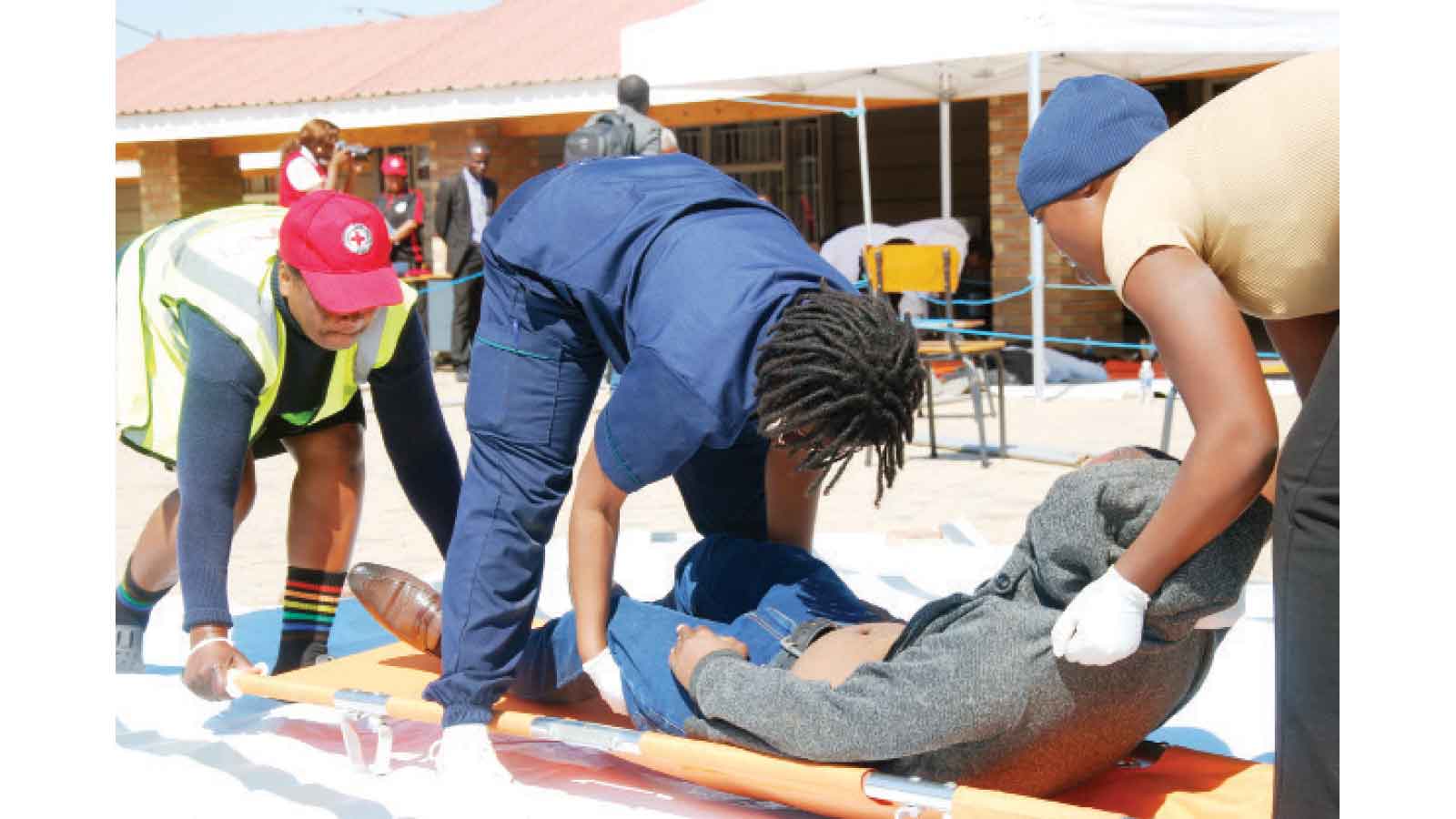
Theseus Mauruki Shambare
ABOUT 150 000 people in Harare are benefiting from affordable healthcare services offered by the Zimbabwe Red Cross Society, whose Copacabana clinic attends to between 150 and 200 patients every day.
The clinic provides a wide range of services, including general outpatient care, laboratory testing, dental services, dialysis, specialist consultations and a 24-hour emergency unit.
In a further expansion of its healthcare programme, the humanitarian organisation is set to open a maternity unit in Highfield at the end of this month or early next month, adding maternal healthcare services to the Zimbabwe Red Cross Society’s existing clinic that serves a catchment population of about 150 000 people.
The new unit is expected to conduct between 50 and 60 deliveries every month.
Established by an Act of Parliament through the Zimbabwe Red Cross Society Act of 1981 (Chapter 17:08), the Zimbabwe Red Cross Society is the country’s national humanitarian organisation.
In a unique legal arrangement, the Act is administered by the Ministry of Defence, while the society works alongside Government and partners to provide healthcare, disaster response and humanitarian services across the country.
The developments came during the second day of International Federation of Red Cross and Red Crescent Societies secretary general Mr Jagan Chapagain’s four-day mission to Zimbabwe, during which he toured the Zimbabwe Red Cross Society’s healthcare facilities and commended the quality and scope of services being offered.
Mr Chapagain began his mission on Friday with a courtesy call on President Mnangagwa.
During his visit, he is also holding engagements with Government ministers, humanitarian and development partners, the Zimbabwe Red Cross Society and other key stakeholders to strengthen cooperation on humanitarian priorities.
The visit comes as the IFRC, the Zimbabwe Red Cross Society and the Government continue to deepen collaboration in addressing humanitarian challenges, including climate change, public health emergencies, migration, disaster preparedness and community resilience.
“I was very impressed with the quality of the services, the cleanliness of the facilities and also the comprehensiveness of the services the Zimbabwe Red Cross is providing,” said Mr Chapagain.
He said accessible healthcare remained critical to achieving universal health coverage, adding that closer collaboration between the Zimbabwe Red Cross Society and the Ministry of Health and Child Care, particularly through data sharing, would strengthen evidence-based policymaking and the country’s health system.
“It is extremely important that health services are accessible to everybody, and the Red Cross is making its contribution in that effort. Decisions based on data are generally better decisions and policies formulated based on evidence are generally better policies,” he said.
Zimbabwe Red Cross Society clinical director Dr Joel Tapi said the organisation was expanding affordable healthcare services to complement Government efforts to improve access to quality medical care.
“At our Copacabana clinic, we attend to between 150 and 200 patients every day and offer laboratory, dental, dialysis, specialist and emergency services,” he said.
Dr Tapi said the organisation introduced dialysis services after recording an increase in kidney failure cases, largely driven by non-communicable diseases such as diabetes and hypertension.
“We are seeing more people developing kidney failure, particularly because of diabetes and hypertension. What is worrying is that these conditions are increasingly affecting younger people. We currently conduct between eight and 10 dialysis sessions every day,” he said.
He said the new Highfield maternity unit would reduce referrals to central hospitals by bringing maternal healthcare closer to communities.
“We are targeting between 50 and 60 deliveries every month. Many patients from the area are currently referred to higher-level hospitals. Our aim is to reduce transport costs, shorten travelling distances and ensure emergency maternal healthcare is available closer to the communities that need it,” said Dr Tapi.
The facility is awaiting regulatory licensing and is expected to become operational by the end of August or early September.
Once operational, the Zimbabwe Red Cross Society will roll out a free community outreach programme offering HIV testing and counselling, diabetes screening and blood pressure checks, while introducing residents to the new maternity services.
Dr Tapi said the expansion forms part of the society’s broader strategy to strengthen access to affordable healthcare across the country in line with the National Health Strategy, with plans to extend specialised healthcare services to more provinces over the next five years.