Online Reporter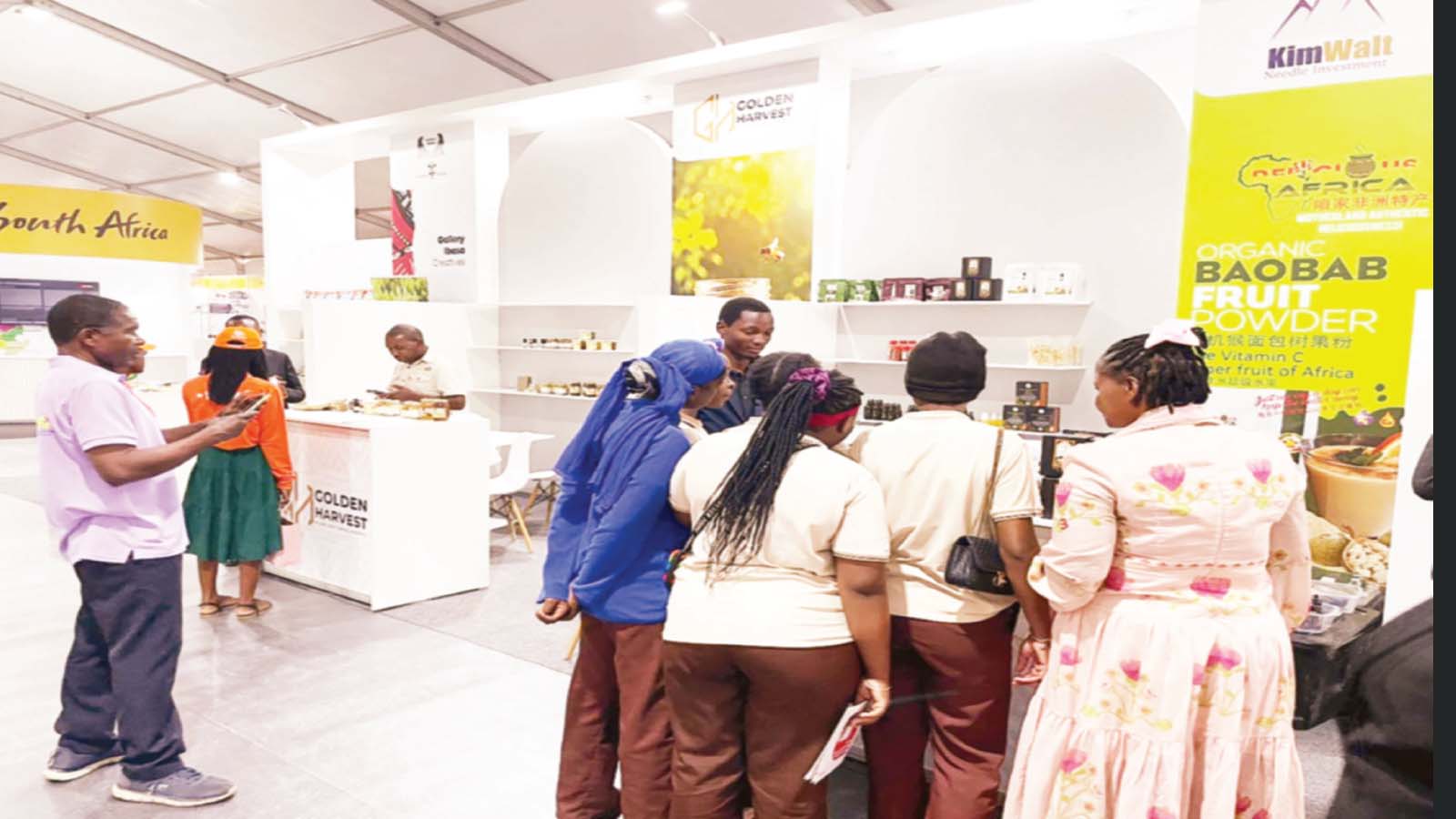
Golden Sibanda in Maputo, Mozambique
TWENTY Zimbabwean companies are taking part in the 61st edition of the Maputo International Trade Fair 2026, as part of national efforts coordinated by ZimTrade to grow trade and exports into the Mozambican market.
The participating companies include corporate giants National Railways of Zimbabwe, Nestlé Zimbabwe, Allied Timbers, Chloride Zimbabwe, Mutare Board and Paper Mill, Paramount Exports and Zesa Enterprises.
Also among the exhibitors are small and medium-sized enterprises such as House of Moringa, Chief Africa Jewels, Marema Citrus Estate, Golden Harvest Honey, Kimwalt Needle Investments, Glytime Foods, and Verify Engineering.
ZimTrade Eastern Region manager, Mr Admire Jongwe, who is accompanying the exhibitors, said the 20 companies taking part in Mozambique’s largest international trade show were drawn from key sectors of the economy, including manufacturing, agriculture, agro-processing, horticulture, transport, engineering, energy and handicrafts.
Zimbabwe’s participation in the premier trade exhibition strikes at the heart of the country’s export growth strategy, which focuses on value addition, beneficiation and diversifying trade markets to reach US$14 billion in annual export earnings by 2030. The fair runs from August 31 to September 7, 2026.
“We are here at the Maputo International Trade Fair (FACIM) 2026, where we have 20 companies with us to exhibit and look for potential trade deals and new export markets.
“The purpose of our coming here to exhibit is to look for potential trade deals that will result in us increasing trade between Zimbabwe and Mozambique, so we are here for the next seven days. By the end of the trade exhibition, we hope to have secured more trade deals that will help us grow our exports into Mozambique,” Mr Jongwe said.
The exhibition gives local companies a strong platform to explore new markets, find buyers and build partnerships across the region.
Mozambique’s premier multi-sectoral trade exhibition brings together businesses, investors, government officials and buyers from across Africa and beyond. The theme for FACIM 2026 is “Digital and Energy Transformation for a Sustainable Economy”.
The fair comes at an opportune time for Zimbabwean companies, with trade between Harare and Maputo on an upward trajectory and the two neighbouring countries pushing ahead with measures designed to make cross-border business easier.
Mozambique remains one of Zimbabwe’s key trading partners and an important destination for locally produced goods.
Zimbabwe’s exports to Mozambique grew by 4 percent from US$255,1 million in 2024 to US$266,2 million last year, underlining the market’s growing importance to the country’s export drive.
Against this background, ZimTrade, the national trade development and promotion organisation, will lead several local companies to showcase their products and services at a dedicated Zimbabwe Pavilion.
The Zimbabwean pavilion at FACIM 2026 has brought together businesses from different sectors under a single national brand, in support of the country’s economic diplomacy thrust being pursued through the Ministry of Foreign Affairs and International Trade.
Products and services expected to be showcased include manufactured goods, agricultural produce, processed foods, building materials, engineering products, arts and crafts, as well as a range of other export-ready offerings.
Zimbabwe targets an annual export growth rate of at least 10 percent for goods and 15 percent for services as part of its long-term development plans to achieve its Vision 2030 target of an upper-middle-income economy.
Speaking ahead of FACIM 2026, ZimTrade chief executive officer, Mr Allan Majuru, said this year’s fair had come at a particularly favourable time for Zimbabwean businesses, given the strengthening economic relations between the two countries and growing demand for locally produced goods in the neighbouring market. “Our participation at FACIM is about creating linkages that place Zimbabwe firmly at the centre of regional trade routes. FACIM continues to open real, actionable opportunities for Zimbabwean exporters, and the strengthened relations between our two countries make this the right time for businesses to engage the Mozambican market directly,” he said.
Mr Majuru said that Mozambique had continued to demonstrate strong potential for Zimbabwean companies, particularly because of its proximity, established trade links and growing appetite for competitively priced regional products.
“Zimbabwean companies are well positioned to grow their presence in Mozambique because we already have strong trade linkages, a shared border and relatively easy access to the market.
“What is important now is for our businesses to take advantage of these conditions, understand the needs of Mozambican buyers and offer products that are competitively priced, reliable and suited to the market,” said Mr Majuru.
Mr Majuru also noted that buyers in Maputo, Beira and Tete had over the years shown confidence in the quality and reliability of Zimbabwean products, providing a solid base from which local companies can expand their presence.
Over the years, FACIM has grown into one of Southern Africa’s major trade exhibitions, attracting more than 50,000 visitors, including exhibitors, investors, buyers, policymakers and business executives.
This year’s edition comes against the backdrop of strengthened relations between Zimbabwe and Mozambique, with both countries increasingly focusing on practical measures to boost trade, investment and connectivity.
The inaugural Zimbabwe-Mozambique Bi-National Commission, held in November last year, saw the leadership of the two countries commit to initiatives aimed at improving the movement of goods and people.
Officially opening FACIM 2026 yesterday morning, the Mozambican President Daniel Chapo promised to press ahead with reforms to eliminate complications and improve the business environment in the country.
He said that only by increasing domestic production and reducing imports would the foreign exchange problem be resolved.
“It is our task, and we are continuing to work day and night to eliminate red tape. We are aware of one fundamental fact: sustainable investment thrives on trust, and trust flourishes through predictability, transparency and results,” President Chapo said.