Chronicle Editor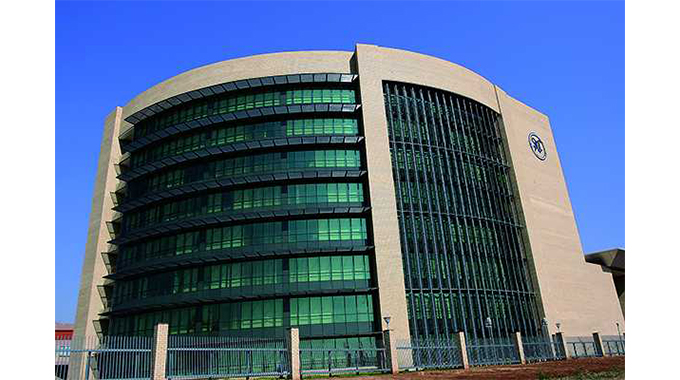
Kizito Sikuka and Clarkson Mambo
The year 2022 promises to be an eventful period for southern Africa, with hopes that the region could begin to see a return to normalcy after the global community was hard hit by the Covid-19 pandemic.
We look at some of the key issues expected to dominate the agenda for the Southern African Development Community (SADC) in the coming year to achieve deeper integration and stability.
“Our task in 2022 is simple, but not easy,” the current SADC chair, President Lazarus Chakwera of Malawi said during a recent visit to the SADC Secretariat headquarters in Botswana. “Our task is to increase regional integration and development.”
Intensified response to Covid-19 pandemic
Curbing the coronavirus remains a top priority for SADC as the region begins to reopen economies and relax some lockdown measures that have disrupted the implementation of various regional activities, programmes and projects since March 2020.
SADC Member States are expected to invest more this year in strengthening their national campaigns to mobilise citizens to get vaccinated as there has been a low uptake of the Covid-19 vaccines in some member states due to various factors including misinformation about the vaccine.
When more people are fully vaccinated, this will enable the SADC region to reach group immunity, enabling the removal of restrictions, since science has shown that the vaccination lowers the risk of getting and spreading the virus, and can help to prevent serious illness and death.
SADC is also expected to intensify plans to engage the private sector and the expertise needed to produce vaccines and other medical products locally and regionally. Such a development will strengthen self-reliance and ensure that the region is able to take charge of its own health.
Another priority for SADC in addressing Covid-19 is to invest more resources in strengthening public health systems and continuing to enforce strict anti-coronavirus regulations such as social distancing, regular health screenings, and wearing of masks at all times.
Manufacturing and industrialisation
On the economic front, SADC wants to continue to improve its manufacturing capacity as well as promoting industrialisation to ensure that the abundant natural resources in the region benefit the people of the region through beneficiation instead of being shipped out as raw material.
The manufacturing sector’s share of Gross Domestic Product (GDP) in the region has increased from an average of 10.3 percent in 2013 to about 11.9 percent in 2018, and the region now targets to more than double that share to 30 percent by 2030 and 40 percent by 2050.
An increase in the manufacturing sector’s share of GDP has ripple effects on the economy including an increase in production, employment and foreign currency generation from the export of value-added products.
Most Member States are estimated to be earning a lot of income through the export of raw and unprocessed products such as tobacco, cotton, gold, platinum and diamonds. However, these earnings could be doubled if the products are sold in their processed form.
In this regard, the region will this year pursue efforts to boost its manufacturing capacity by developing vibrant and innovative funding facilities that support the regional manufacturing sector to acquire machinery and equipment for production using modern technology.
Balancing the water-energy-food nexus
Balancing the competing needs of water, energy and food will be a priority for SADC as the economy and the population show growth. This growth puts more pressure on these resources, with additional challenges such as climate change.
For example, low rainfall received in recent years has seen large parts of the region record very low reservoir water-levels affecting energy generation, although that is expected to recover this year.
SADC is seeking innovative approaches to forge closer collaboration between the water and energy sectors as well as that of agriculture since these are inextricably linked, and any uncoordinated development in one area has the capacity to negatively impact on others.
Taking charge of the developmental agenda
In its quest to take charge of its own developmental agenda, the region will aim to ensure that the SADC Regional Development Fund (RDF) becomes a reality.
The SADC RDF is a regional financing mechanism for economic development and sustainable growth that seeks to finance regional infrastructure, industrial and social development. It is expected to have an initial authorised capital of US$13 billion.
In 2022, the region will aim to ensure that at least three of the remaining six SADC Members States sign the agreement that will enable establishment of the SADC RDF.
A total of nine Member States, against a minimum target of 12 required, have signed the agreement.
The establishment of the RDF will be a springboard for the developmental agenda of SADC. According to the SADC Secretariat, it is estimated that only 9.2 percent of regional projects are funded by Member States, while International Cooperating Partners (ICPs) funded the remaining 90.8 percent.
Such a situation compromises the ownership and sustainability of regional programmes.
Towards a regional parliament
On the governance and policymaking front, the transformation of the SADC Parliamentary Forum into a regional parliament is expected to dominate the integration agenda this year.
This follows the approval of the much-awaited transformation by the 41st SADC Summit that met in August 2021 in Lilongwe, Malawi.
A SADC Regional Parliament will ensure broader citizen participation in regional affairs by facilitating more extensive debate on regional issues. This is expected to accelerate the implementation of SADC protocols that need to be ratified and domesticated into national legislation.
According to the decision of the 41st SADC Summit, the SADC Parliament will start as a “consultative and deliberative body” with no law-making or other binding authority.
The regional parliament is expected to observe and respect the sovereignty of SADC Member States, while in operational terms it would consult and liaise with other SADC institutions and structures such as the Council of Ministers through which its recommendations would be channelled for consideration by Summit.
Regarding the relationship with national parliaments, the new regional parliament is expected to facilitate the drafting of model laws, while the former will continue their legislative role in domesticating regional laws as well as oversight role on the effective implementation of executive programmes and projects at the national level.
The Legislature has long been seen as the missing arm of SADC.
Strengthening peace and security
With regard to peace and stability, SADC will this year remain seized with the political and security situation prevailing in the region since stability is a key factor in sustainable development.
The SADC region has generally enjoyed stability despite some pockets of volatility, as seen currently in northern Mozambique.
Meeting for their Extraordinary Summit in January, the region has already shown its commitment to fully address the instability in Mozambique by extending the regional military mission in that country by another three months.
This is the second time that the mandate of the SADC Mission in Mozambique (SAMIM) has been extended since its deployment in July 2021, with notable progress having been recorded to curb the conflict.
SADC is also expected to encourage more Member States to implement an Action Plan for the Implementation of Security Threats Report which was adopted last year.
The action plan contributes towards forging a holistic approach for sustenance of security at both national and regional levels, which includes the operationalisation of the Regional Counter Terrorism Centre as part of the SADC
Regional Counter Terrorism Strategy.
SADC will also remain seized with the conflict in eastern Democratic Republic of Congo, as well as the political situation in the Kingdom of Eswatini and the Kingdom of Lesotho in line with the region’s democratic agenda.
Taking stock of Vision 2050 and Revised RISDP
The SADC Vision 2050 that provides strategic direction for the region, and its anchor, the Revised Regional
Indicative Strategic Development Plan (RISDP) 2020-2030 are now in their second year of implementation.
The year 2022 provides an opportunity for the region to take stock of progress in implementation to ensure the goals are achieved for a unified, integrated and prosperous region.
Adopted in August 2020 by the 40th SADC Summit held in Maputo, Mozambique, the SADC Vision 2050 is aligned to the African Union’s Agenda 2063 — The Africa We Want, and is predicated upon the existing SADC vision which aims for “a common future in a regional community that will ensure economic wellbeing, improvement of the standards of living and quality of life, freedom and social justice, and peace and security for the people of Southern Africa.”
The Revised RISDP 2020-2030 is a regional roadmap that prioritises the integration issues of infrastructure development, industrial development and market integration, social and human capital development and other crosscutting issues, including environment, climate change, disaster risk management, gender and youth empowerment.
In a departure from the previous regional strategic plans, the Revised RISDP 2020-30 combines interventions previously presented under the Revised RISDP and the Strategic Indicative Plan for the Organ on Politics, Defence, and Security Cooperation.–sardc.net



 Online Reporter