Chronicle Editor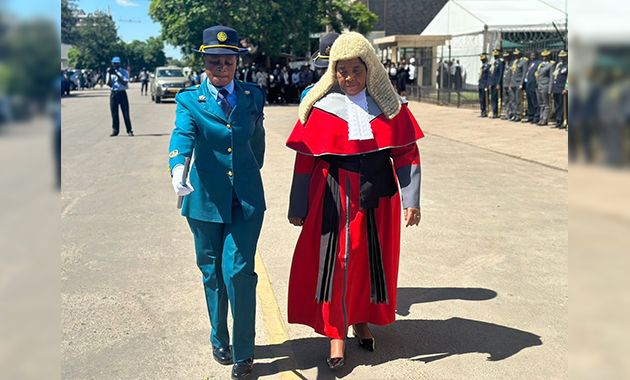
Thandeka Moyo-Ndlovu, online writer
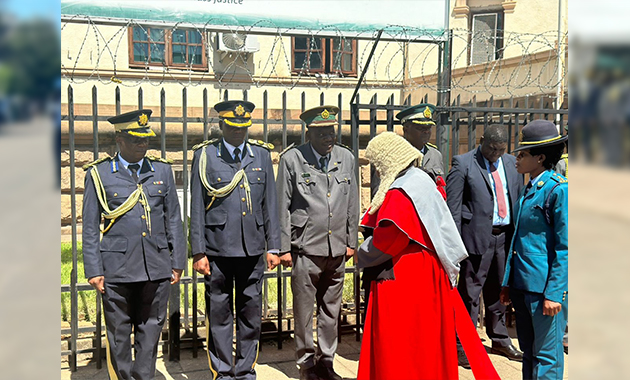
THE Deputy Chief Justice Mrs Elizabeth Gwaunza is set to officially open the 2024 Legal Year at the High Court in Bulawayo today.
The Judicial Services Commission (JSC) has said similar events will be held countywide where
the Chief Justice of Zimbabwe, will preside over the main gathering at the Constitutional Court in Harare.
The Constitutional Court Judge Justice Rita Makarau will be at the High Court in Masvingo, while another Constitutional Court Judge Justice Paddington Garwe will be in Mutare. The Judge President of the High Court Justice Dube will preside over another gathering at the High Court in Chinhoyi.
In attendance at the Bulawayo High Court sitting judges, retired judges, Bulawayo permanent Secretary Mr Paul Nyoni, the Mayor Senator David Coltart, the town clerk Mr Christopher Dube, service chiefs, magistrates, legal practitioners and JSC members.
The Judicial Services Commission (JSC) has made significant strides over the years to ensure justice is accessible to every citizen at all the courts.
In 2022, many significant reforms were achieved on both infrastructural and technological fronts. In a bid to ensure access to justice, the Judiciary Service Commission has established courts in all the country’s provincial centres.
And the commission continued its policy into 2023 of ensuring courts are built and opened in more centres. There are now High Court centres in Masvingo, Mutare and Chinhoyi and another one is expected in Gweru in due course.
After expanding the High Court, the commission is now constructing courts in high density suburbs with the aim of taking the justice delivery system close to where the bulk of people stay.
Construction of Epworth Magistrates Court in Harare is at an advanced stage with more courts expected to be built in Glen Norah and Budiriro while in Bulawayo they will be established in Nkulumane and Entumbane.
In 2022, Justice Luke Malaba gave an overview of the flagship activity that the Judiciary had taken to enhance efficiency and the rule of law through the introduction of the integrated electronic case management system (IECMS).
The first phase of the system was implemented at the Constitutional Court, the Supreme Court and the Commercial Court.
The second phase of the IECMS is expected to see the implementation go live in the Labour Court and Administrative Courts starting on February 1 this year, as the JSC is continuing with its concrete action to implement the IECMS as the solution to the problems arising from features of the justice delivery system that have hindered the realisation of its maximum benefits by the public it is intended to serve.
The adoption and use of appropriate technology in the delivery of justice does not mean that the system would lose the fundamental attributes of transparency, independence, impartiality, accountability, openness and ability to present one’s case on which it is anchored.
It is a fundamental principle of the Constitution that there should be at any given time a system for the delivery of justice which incorporates procedures and processes that guarantee the promotion of these values.
After the Chief Justice adverted to the efforts that the JSC had undertaken to adapt and transform the administration of justice through the IECMS, virtual courts were installed at Chinhoyi Court Complex, Bindura Magistrates’ Court and Marondera Magistrates’ Court as well as in respective prisons in those provinces.
The exercise continued throughout last year which saw the installation of equipment across the 10 provinces. The ultimate goal was to have every court in Zimbabwe installed with virtual court equipment.
The digitisation of courts, particularly carrying out virtual hearings has many advantages both to the courts and the litigating public because matters are finalised expeditiously and there is an added advantage of participating in the court proceedings in the comfort of your home or office.



 Online Reporter