Online Reporter
Sifelani Tsiko
THIS year marks a particularly significant period for the global gender equality movement, as the world commemorates several key milestones.
Firstly, it is the 30th anniversary of the Beijing Declaration and Platform for Action, widely regarded as the most comprehensive and visionary agenda for gender equality and the human rights of all women and girls.
In addition, this year also marks 25 years since the adoption of UN Security Council Resolution 1325 on Women, Peace and Security, and 15 years since the establishment of UN Women. These milestones are seen by women’s empowerment advocates as an opportunity to reflect, regroup, and recommit to advancing gender equality in the face of recent setbacks.
Against this backdrop, UN Women, the Association of Media Women in Kenya (AMWIK), Nala Feminist Collective, the Kenya Editors Guild, and other women’s coalition groups recently convened the Generation Equality Media and Commitment Makers Forum in Nairobi, Kenya. The forum aimed to explore how African media can foster a more informed and gender-responsive society across the continent.
The event brought together youth leaders, media organisations, government representatives, civil society groups, and journalists from East and Southern Africa to examine gender equality in Africa’s media landscape. Discussions focused on how women are portrayed in media content, their representation in the media workforce, and the role of media in empowering women and girls.
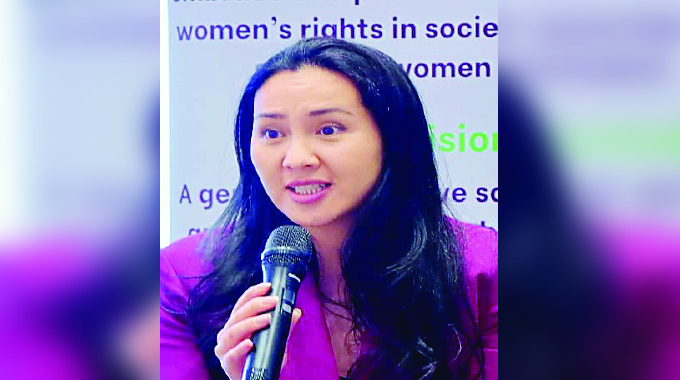
Moderated by Sharon Kechula of AMWIK, Aijamal Duishebaeva of UN Women, and other gender equality experts, the dialogue opened with a reminder of the importance of 2025 in the global gender equality agenda.
Kechula emphasised the urgency of the moment for Africa’s development, noting the media’s critical role in the lead-up to global women’s summits.
“This year presents a unique opportunity to deepen our collective efforts towards the rights, empowerment, and equality of all women and girls. Recognising the powerful influence of the media in shaping narratives, holding institutions accountable, and amplifying critical issues, this media forum aims to forge stronger partnerships between the media and the Generation Equality ecosystem,” she said.
The forum successfully created a space for bold dialogue on gender-sensitive reporting, equipping media professionals with the skills and knowledge needed to effectively cover gender equality issues.
In light of the rapid changes in how African audiences access, consume, and contribute to media, the forum also addressed the opportunities and risks of digitalisation — including new avenues for activism and the growing threat of cyber-violence — as well as broader issues of digital inclusion.
Women’s rights advocates noted that despite some progress, women remain significantly under-represented in news coverage, which fails to reflect their actual roles in public, social, and cultural life.
Civil society participants raised concerns about the African media’s limited coverage of issues affecting women, including job insecurity, pay disparities, hiring and promotion discrimination, unpaid labour, sexist workplace cultures, and the lack — or poor enforcement — of codes of conduct.
They also criticised persistent gender stereotyping in media and advertising, which continues to promote harmful attitudes about masculinity and the role of women, fuelling discrimination, sexual objectification, and gender-based violence.
“Across our region, we are facing growing challenges — from the climate emergency and conflict to shrinking civic space — that continue to disproportionately affect women and girls,” said Anna Mutavati, UN Women Regional Director for East and Southern Africa.
“These crises are accompanied by rising threats, pushbacks, and reversals to hard-won gains in women’s rights.”
She highlighted the funding crisis facing many women’s organisations, which are often stretched to their limits.
“Yet time and again, in every crisis and corner of our communities, women-led and women’s rights organisations step up. They deliver lifesaving services, defend rights, support communities — often under immense pressure and with extremely limited resources. They reach the unreachable, craft local solutions, and ensure women’s voices are heard.”
In such times, she said, women’s coalitions and the media must stand together, pooling resources, expertise, and commitments to advance women’s empowerment.
“As we all know, the media is not just a mirror of society — it is a powerful force that shapes it. Journalists, editors, content creators: you have immense power and influence when you sit behind your microphones, in your newsrooms, on your platforms.
“The way stories are told—or not told — determines what societies value, what gets funded, and what policies are pursued. Yet too often, the voices and stories of women and girls, especially from grassroots communities, in conflict zones, or those most vulnerable, such as survivors of violence, remain underrepresented or misrepresented,” Mutavati said.
“That is why this Media Forum is so important. This is not just about coverage; it is about collaboration, about building something that lasts, about shifting the narrative and shaping a better future for generations to come.”
Queenter Mbori, Executive Director of AMWIK, echoed these sentiments.
“There is a lot of misrepresentation of women in the media. The under-representation of women still persists. The media has immense power to champion change. Our reporting should shift narratives and amplify women’s voices.”
Recommendations for improving women’s representation in the media included: scaling up gender-sensitive reporting, strengthening collaboration between women’s groups and media outlets, ensuring consistent coverage of gender equality issues, and promoting balanced portrayals of women.
Participants also stressed the importance of fostering diverse and inclusive newsrooms, avoiding gendered language and imagery, and focusing on women’s professional achievements and policy contributions.
The African media was urged to challenge double standards, provide platforms for women leaders to share their perspectives, and address online harassment and abuse on social media.
By implementing these strategies, African journalists can promote gender equality, support women across sectors, and create more nuanced and balanced portrayals of women.
Ultimately, participants agreed, the media has the power to dismantle stereotypes, foster inclusivity, and highlight women’s contributions — helping to ensure their continued visibility and growth in all areas of society.


 derick.khumalo