

 Online Reporter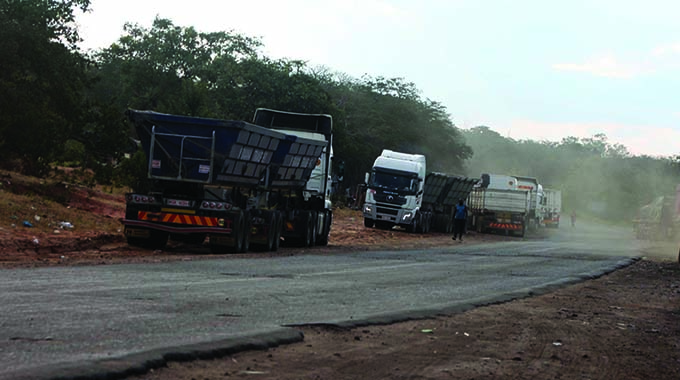
THE commence-ment of the rehabilitation of the Bulawayo-Victoria Falls Road this week is a development that deserves both recognition and commendation. The initiative, spearheaded by the Government through the Ministry of Transport and Infrastructural Development, is not only timely but also visionary in its scope and potential impact.
The 435-kilometre stretch between Bulawayo and Victoria Falls is more than just a road — it is a vital artery that connects Zimbabwe’s second-largest city to one of the world’s most iconic natural wonders. For decades, this route has served as a gateway for tourists, a conduit for trade, and a lifeline for communities along its path. Yet, its deteriorating condition has long been a source of concern, hampering travel, discouraging investment, and posing serious safety risks.
The decision to rehabilitate this corridor is therefore a strategic masterstroke. From a tourism perspective, the benefits are immediate and far-reaching. Victoria Falls remains one of Zimbabwe’s most powerful tourism magnets, drawing visitors from across the globe.
A modern, well-maintained road will significantly enhance the travel experience, reduce journey times, and improve safety — factors that are critical in a competitive global tourism market. Tour operators, hoteliers, and local businesses stand to benefit immensely from the increased traffic and renewed confidence in the region’s infrastructure.
Beyond tourism, the road’s rehabilitation is a catalyst for broader economic development. It strengthens Zimbabwe’s position as a regional transport hub, linking the country to Zambia, Botswana, Namibia and South Africa. Improved connectivity will facilitate the movement of goods and services, reduce transport costs, and open up new markets for local producers.
Equally commendable is the Government’s decision to award the project to local contractors. This not only ensures that the economic benefits remain within the country but also builds local capacity and expertise in infrastructure development. It is a clear demonstration of the Government’s commitment to empowering Zimbabwean businesses and promoting home-grown solutions.
The project’s phased approach, which will be completed within ten months, reflects a sense of urgency and purpose. It is a tangible expression of the Government’s Vision 2030 agenda, which prioritises infrastructure as a cornerstone of national development.
As the rehabilitation progresses, it is essential that quality standards are upheld and that communities along the route are engaged and supported.
Community engagement should go beyond consultation — it must include opportunities for employment, skills development, and local enterprise participation. By embedding these principles into the project’s execution, the road will not only serve as a physical link but also as a symbol of inclusive development and national pride.



 Online Reporter
There is an irony in all this.Previously before tolls roads were well maintained .Where does the money raised at tollgates go kanti?