Online Reporter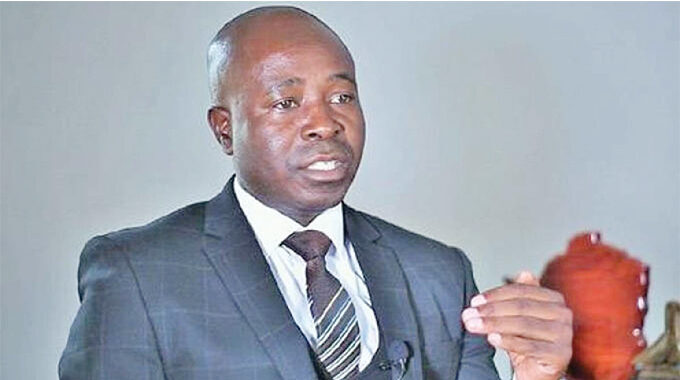
Rutendo Nyeve, Victoria Falls Reporter
AS the nation prepares for the highly anticipated 2025 Mid-Term Budget Review set for July 30, economic experts have expressed optimism that the Government will introduce measures that will sustain macro-economic stability and bolster economic resilience.
The review comes at a critical juncture, with the country navigating a complex economic landscape shaped by currency reforms, rising informality and the need for fiscal consolidation.
Key stakeholders, including monetary policy experts and business leaders, have outlined their expectations, emphasising the need for policies that reinforce confidence in the Zimbabwe Gold (ZWG) currency, enhance tax compliance and support the struggling formal retail sector.
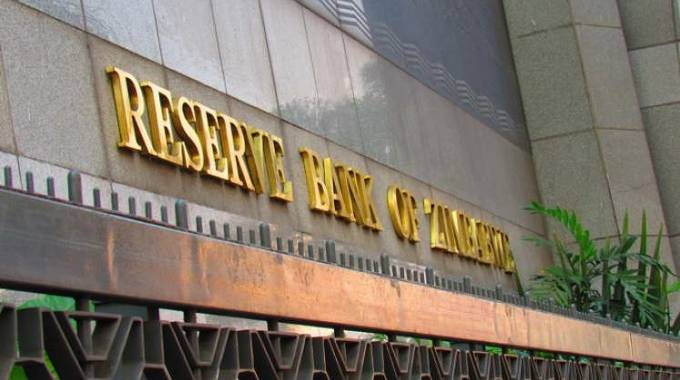
In an exclusive interview with Zimpapers, an economic expert and member of the Reserve Bank of Zimbabwe (RBZ) Monetary Policy Committee Dr Persistence Gwanyanya said it will be important to maintain stability through complementary fiscal and monetary policies.

“We expect reinforced measures to sustain stability and economic resilience in the coming mid-term fiscal policy review.
“The tight monetary policy stance has mainly been stable after the introduction of ZWG, and sustaining this requires complementary fiscal policies,” said Dr Gwanyanya.
He highlighted the need for measures that boost demand for the local currency, particularly through taxation and statutory fees.
“Ideally, taxes, duties and statutory fees are key drivers of the demand for local currency. It is comforting that authorities have so far enacted a law that compels payment of 50 percent of corporate taxes in ZWG.
“We expect more measures to increase the use case of the local currency,” said Dr Gwanyanya.
He further pointed out that the Government, as the largest economic player, has significant influence over currency usage through procurement policies and statutory payments.
Another pressing issue, according to Dr Gwanyanya, is the need to incentivise formalisation in an economy where informality has eroded the tax base.
“Given the rise in informality, which has seen few businesses and corporates contributing to the fiscus, we expect measures to incentivise formalisation and participation in the mainstream economy,” said Dr Gwanyanya.
Recent economic census data revealed Zimbabwe’s economic growth has been revised upwards to US$44,7 billion from US$35,2 billion, reflecting previously unaccounted economic activity.
“This only demonstrates why measures to incentivise this previously unaccounted economy to contribute to the fiscus are necessary,” he added.
The economic expert also called for a review of regulatory fees and other cost drivers that have stifled business growth. Additionally, he urged the Treasury to address the country’s debt burden, which continues to hinder economic recovery.
“Treasury is advised to continuously seek ways to restructure the national debt to reduce the cost of debt and manage servicing. It is advisable for Treasury to proactively restructure or renegotiate domestic debt, especially Treasury Bills,” he said.
While acknowledging progress in key sectors such as agriculture and mining, Dr Gwanyanya stressed the need for industrialisation to drive sustainable growth.
“Re-industrialisation is the permanent solution to the country’s economic challenges. Measures to incentivise growth in the manufacturing sector cannot be overemphasised,” he said.
Echoing the same sentiments, Dr Denford Mutashu, president of the Confederation of Zimbabwe Retailers (CZR), emphasised the importance of the budget review in revitalising the retail sector, which has faced severe challenges over the past year.
“The upcoming Mid-Term Budget Review is a pivotal opportunity for the Government to realign fiscal and economic priorities with the realities on the ground,” he said.
“For the retail and wholesale sector, one of the largest contributors to employment, tax revenue and economic circulation, this presentation is critical in shaping confidence, driving consumption and guiding recovery in the second-half of the year.”
Dr Mutashu painted a grim picture of the sector’s performance in 2024, citing currency volatility, declining consumer demand and high operational costs.
“Many businesses downsized or shut down, and formal sector viability came under serious threat,” he said.
To reverse this trend, he called for targeted interventions, including affordable credit, tax reforms such as a reduction in the Intermediated Money Transfer Tax (IMTT) and stronger support for formalisation.
“A vibrant retail and wholesale sector is central to economic stability, value chain resilience and national development,” he said.
“We urge policymakers to prioritise policies that restore consumer purchasing power, stimulate formal trade and promote inclusive economic growth across all regions of the country,” said Dr Mutashu.
As the nation awaits the budget review, the consensus among experts is clear — fiscal policies must strike a delicate balance between sustaining stability and fostering long-term economic resilience.
With the right measures, Zimbabwe could solidify recent gains, expand its tax base and lay the groundwork for sustainable industrialisation.
The July 30 announcement will reveal whether the Government’s fiscal strategy aligns with these expectations and whether 2025’s second-half will bring the economic relief businesses and consumers desperately need. — @nyeve14