Muchaneta Chimuka
THE Environmental Management Agency (EMA) is holding a consultative workshop on the soil standards framework for Zimbabwe, which seeks harmonisation of standard operating procedures in the SADC region and beyond.
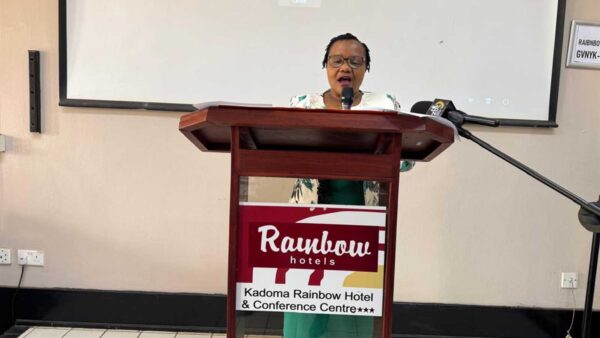
Acting Deputy Director in the Ministry of Environment, Climate and Wildlife, Mrs Chipo Madamombe, said their main agenda is to build a national consensus on a fit-for-purpose soil standards framework that protects soil health and supports sustainable agriculture and mining and to ensure public health, which aligns Zimbabwe with the SADC and African union region and the international World.
“Soil health is vital because healthy soil acts as a living ecosystem that supports food production, stores carbon, filters water and sustains biodiversity. Soils are the foundation of agriculture and our food system,” she said.
She said it is very important that communities understand the physical, chemical, and biological aspects of healthy soil.
“A farmer holding soil filled with earthworms, which are vital for good soil. Healthy soil is the key to a productive and sustainable garden,” she said.
“The organisms found in soil (e.g. bacteria, fungi, algae). However, this nature is destroyed due to poor soil management and contamination from households and industrial waste.”
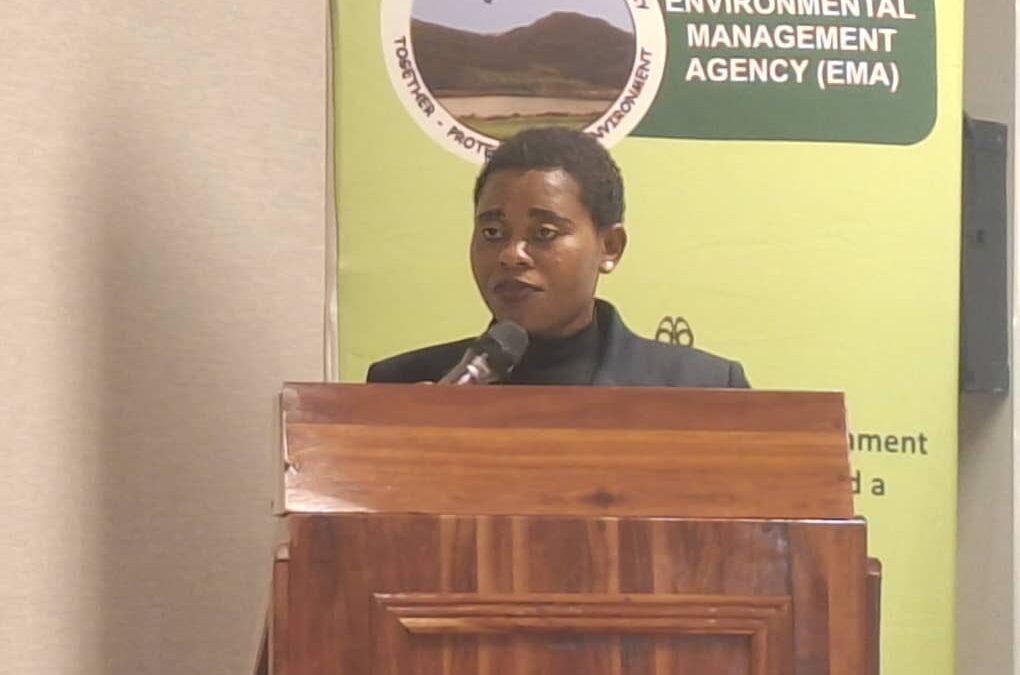
The University of Zimbabwe’s Faculty of Agriculture chairperson in Soil Science and Agriculture Engineering, Professor Farai Mapanda, said EMA is reviewing stakeholder feedback on the draft soil quality standards framework.
“The soil is the foundation of the economy. The rapid expansion of urban centres is resulting in the massive contamination of soils, coupled with improper waste disposal in the absence of unified international benchmarks,” he said.
He added that soil is lost through erosion and that there is a need for national soil classification,
“Exposure to heavy metals and other contaminants is affecting soil quality, resulting in chronic illness among communities, and animals are affected too, as they largely depend on soil,” he said.
“Wetland soil quality is affected by human activities like construction of houses and poor chemical and sewer disposal.”
He said there is a need for soil reclamation and land rehabilitation and national soil analytical methods.
“We have standard operating procedures which move with the aspects of guidelines which include situational analysis, indicators and thresholds, and the methods that are used to analyse the problems identified, paving the way to solutions,” he added.
Section 73 of the Constitution of Zimbabwe (Amendment No. 20) 2013 establishes the core Environmental Rights: Every person has the right to an environment not harmful to their health or well-being and to have it protected for present and future generations.
The State must implement reasonable measures, within available resources, to prevent pollution, promote conservation, and ensure ecologically sustainable development alongside socio-economic growth.
Moreover, Section 73 empowers citizens to seek legal remedies against environmental harm and supports initiatives like the National Clean-Up Day.