Theseus Mauruki Shambare in CHIPINGE
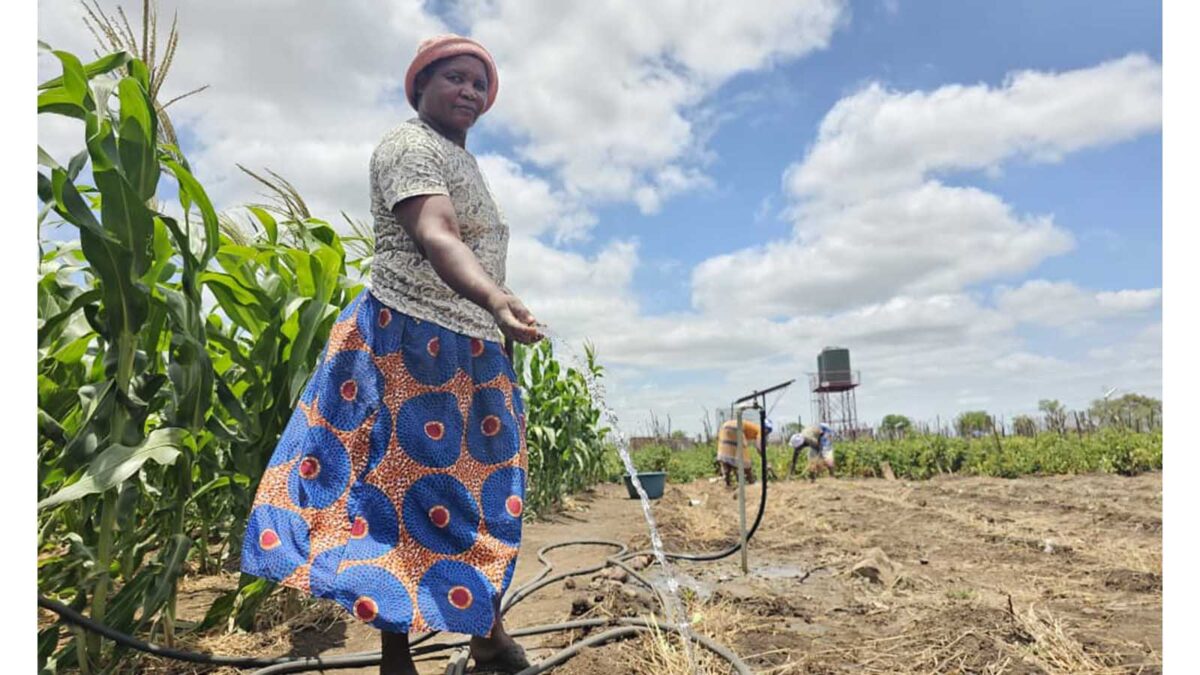
FIVE solar-powered boreholes are transforming livelihoods in drought-prone communities in Chipinge, where villagers are turning water-constrained settlements into emerging agribusiness hubs through irrigation farming, fish production and small-scale livestock enterprises.
The infrastructure, established under the Southern Africa Compounded Crisis (SACC) Project, is supporting five Village Business Units (VBUs) across Wards 20, 21, 27, 28 and 29, providing communities with opportunities to diversify food production and generate income beyond traditional rain-fed agriculture.
Operating under the Zimbabwe Red Cross Society Act (Chapter 17:08), enacted in 1981, the ZRCS is the country’s sole national Red Cross society, with its volunteers serving as the first line of defence against disasters, humanitarian crises and public health emergencies.
Implemented by the Zimbabwe Red Cross Society (ZRCS) in partnership with the International Federation of Red Cross and Red Crescent Societies (IFRC), with funding from the Netherlands Red Cross, the initiative combines water infrastructure development, climate-smart agriculture and livelihood diversification.
During the impact assessment media tour of the projects in the province at Batanai Village Business Unit, ZRCS planning, monitoring and evaluation officer Mr Walter Makausi said each targeted ward had received a mechanised borehole, while 15 additional hand-pump boreholes had been rehabilitated or repaired to improve water access.
“After checking the capacity of the boreholes, we then established a VBU, then we supplied the fencing material, but the communities, thanks to the communities, they provide labour, all locally available materials they gather as a community,” he said.
The solar-powered systems distribute water through multiple standpipes, reducing the distances households travel to collect water while supporting agricultural activities.
Mr Makausi said the project was also addressing protection concerns associated with women and girls spending long periods fetching water.
“We are trying to make sure that the time they spend fetching for this precious liquid is reduced and they collect it closer,” he said.
Each VBU has an average of 50 beneficiaries, approximately 60 percent of whom are women, with enterprises encompassing horticulture, fish farming, poultry production and village savings and lending schemes.
Mr Makausi said the initiative was beginning to demonstrate sustainability, with some groups moving into subsequent production cycles using proceeds generated from their initial harvests.
“From what we have realised now, we can see that they are now able to stand alone as a VBU,” he said.
The project has also supported five fish ponds, with two equipped with water supply connections, while beneficiaries received starter packs for poultry and fish production.
The interventions come as communities in the Lower Save region prepare for anticipated El Niño-related rainfall challenges, with agricultural authorities highlighting the importance of alternatives to conventional rain-fed farming.
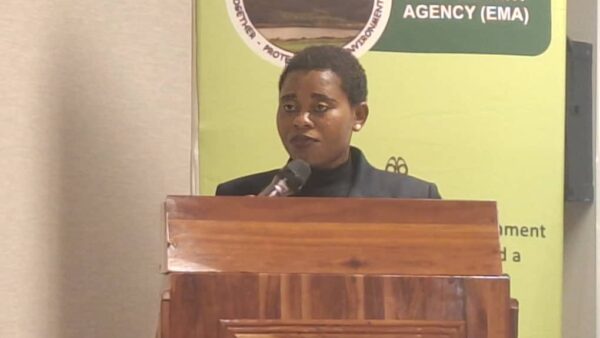
Ward 27 Agriculture Business Advisor Ms Tendai Chisano said the VBUs were changing the economic prospects of communities that traditionally depended on increasingly unreliable rainfall.
“Previously, we depended solely on natural rainfall, where farming was just a hand-to-mouth subsistence activity. Therefore, we have seen that VBUs are practical initiatives for areas like ours where we live with limited water resources,” she said.
Ms Chisano said farmers were also using savings schemes to meet household expenses, including purchasing food and paying school fees.
For beneficiaries, the transformation is already becoming visible through emerging markets for locally produced agricultural commodities.
Ms Lizzy Musisinyani, 45, of Chijumani Village under Chief Chigarava, said the Batanai VBU garden was attracting customers who previously had to travel to other centres to purchase agricultural produce.
“Orders are being placed; some people are coming to order, and others are also coming to buy, seeing that there is food to eat,” she said.
Beyond income generation, the programme is strengthening household food security through climate-smart agriculture training and the distribution of drought-tolerant crops.
Mr Makausi said 3 000 households received 10 kilogrammes of sorghum and five kilogrammes of cowpeas each ahead of the previous cropping season, with post-distribution monitoring indicating encouraging crop performance.
The 20-month SACC Project, which began in May 2025 and runs until December 2026, targets approximately 3 000 households in the five wards, with its broader interventions seeking to strengthen community resilience, improve food security and reduce vulnerability to recurring climate shocks.