admin
admin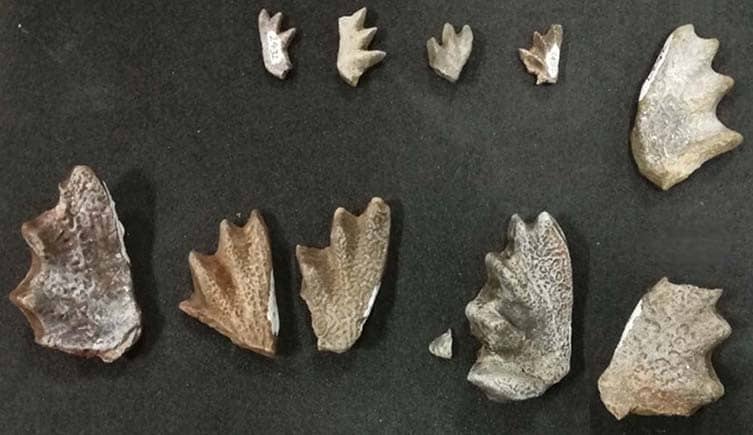
Sifelani Tsiko
Innovations Editor
A 210-million-year-old lungfish species has been discovered in Zimbabwe with its fossilised remnants traced back to the pre-historic period.
Natural History Museum palaeontologists who analysed the remains belonging to a new lungfish species named Ferganoceratodus edwardsi said the species could provide some useful insights into the evolution of the animals.
Ferganoceratodus edwardsi was named in honour of Steve Edwards, a safari guide at Musango Safari Camp, Lake Kariba.
Professor Paul Barrett of the Natural History Museum said in a report: “Steve is an important force for palaeontology, having discovered several Late Triassic sites in southern Africa.
“This is a time in history when the rise of the dinosaurs was starting, and bony fish were diversifying. By sharing his discoveries, Steve is helping us to better understand this important moment in evolution.”
The lungfish have been in existence for close to 420 million years and the latest discovery helps scientists to understand the links between the current species and the ones from long back.
National Museums and Monuments of Zimbabwe acting executive director, Mr Darlington Munyikwa said the discovery of prehistoric remains is significant and sheds light on the country’s hidden fossil treasures.
“It is significant as it sheds more light or new information on the evolution of life, particularly reptiles and dinosaurs, fish, amphibians and other living organisms,” said Mr Munyikwa.
Zimbabwe is increasingly being seen as rich in fossil sites attracting global interest from palaeontologists and other heritage enthusiasts.
Early this year, a 210-million-year-old dinosaur fossil was uncovered by scientists along the shoreline of Spurwing Island at Lake Kariba.
The Musankwa sanyatiensis was the fourth discovery of dinosaurs in Zimbabwe, following the “Syntarsus” rhodesiensis in 1969, Vulcanodon karibaensis in 1972, and, most recently, Mbiresaurus raathi in 2022.
Palaeontologists say there may be more fossil species in Zimbabwe, particularly in the Zambezi Karoo Basin.


 Online Reporter