Chronicle Editor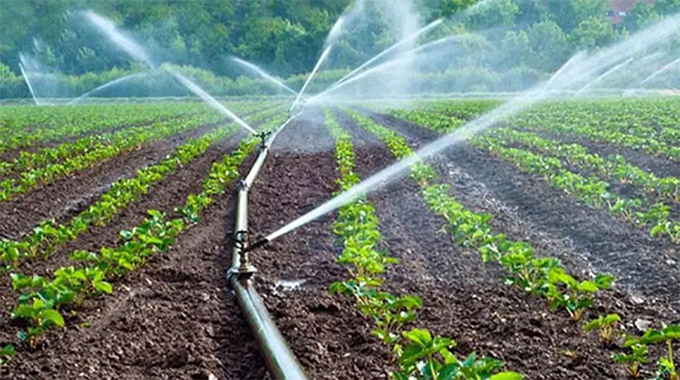
Midlands Bureau Chief
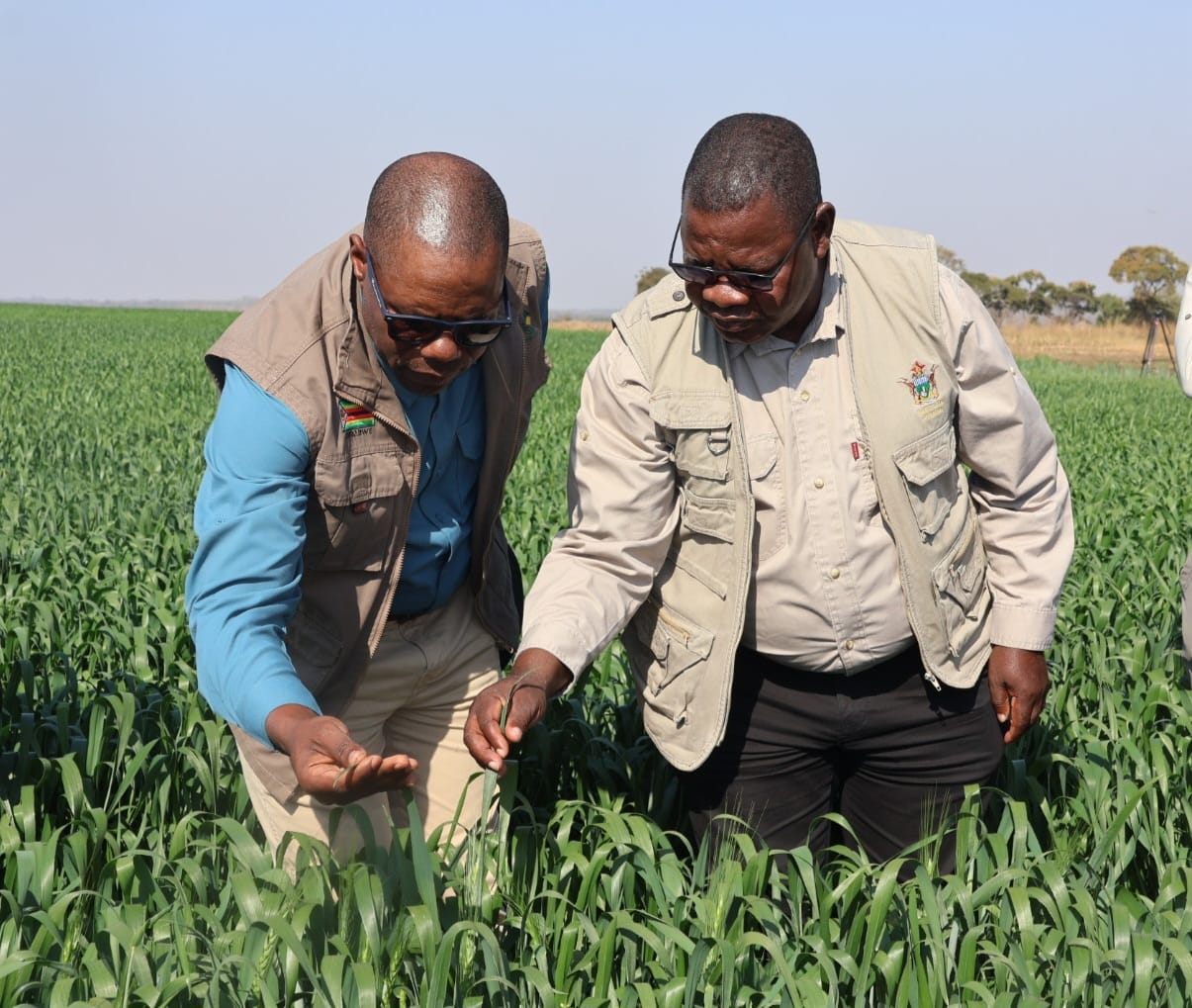
OVER 2 500 small-holder farmers are reaping benefits from 35 irrigation schemes in the Midlands province, thereby contributing to food security in the country.
Zimbabwe is moving away from rain-fed agriculture as part of a comprehensive strategy to counter climate change while boosting production.
By revitalising irrigation schemes, the Government and its private sector partners have ensured that local communities are the biggest winners as they can produce food all year round and in the process generate income to sustain their livelihoods.
In a recent interview, Midlands provincial irrigation engineer, Shingirai Zano, said more than 2 500 smallholder farmers from the eight administrative districts were reaping rewards from 35 irrigation schemes.
He said the number of irrigation schemes is increasing as development partners such as churches are also complementing the Government in opening more land under irrigation schemes.
“As we speak, we have on record 35 irrigation schemes across the province benefiting more than 2 500 smallholder farmers, which is impressive.
“The reason behind this is increased productivity among smallholder farmers, which also enhances food security,” said Eng Zano.
He said already land under irrigation schemes in the province stood at more than 21 000 hectares as the country moves to climate-proof its agriculture sector.
Eng Zano said the Government and its development partners have successfully revitalised several irrigation schemes in the Midlands province, a development that is likely to spur a positive turnaround in rural agriculture.
“This has been made possible through funding from the Government, Public Sector Investment Program (PSIP), Pedstock and More Food for Africa, development partners notably IFAD Smallholder Irrigation Revitalisation Programme (SIRP) and IFAD Smallholder Agriculture Cluster Project (SACP),” said Eng Zano.
He said Mvuma has three irrigation schemes namely Hamamavhaire, which benefits 118 farmers, Mhende (256) and Siyaso (28).
“Mberengwa has Biri Old, which has 58 farmers, Biri Extension 253, Zvavachari 849, Chimwe Chegato 128, Vurasha, 55 and Neta 42,” said Eng Zano.
Meanwhile, Kwekwe has Igogo Irrigation Scheme, which benefits 45 farmers, Exchange 982, Ngondoma 239, Mayorca 76, Marivale 29, Wozoli 46 and Senkwazi 123.
Gokwe South, he said, has Mutange Irrigation Scheme, which benefits 268 farmers and Chemahororo with 29 farmers.
Gweru District has Insukamini, which benefits 125, Mabodza 98, Mutorahuku 116, London Farm 30. Shurugwi has Shungudzevhu 107, Ruchanyu 84, Zananda 28, Adair 38, Gutsaruzhinji 117, Gonye 51, Chuni 51, and Taguta 35.
Eng Zano said Zvishavane District has Homme Irrigation Scheme benefiting 59 members, Bannockburn benefiting 105, Mabwematema 110, Budirirai Nemabasa 29 and Bwedzedze 40.
The area with functional irrigation schemes now represents 58 percent of the target of 350 000ha by 2025 countrywide.
The scaling up of irrigation farming comes as meteorological experts have predicted that Zimbabwe is likely to experience a drought in the 2023/2024 cropping season, due to the El Niño phenomenon. According to preliminary projections, the country will experience extreme conditions such as heat waves and floods, which may negatively affect the growth of the agriculture sector.


 Online Reporter