admin
admin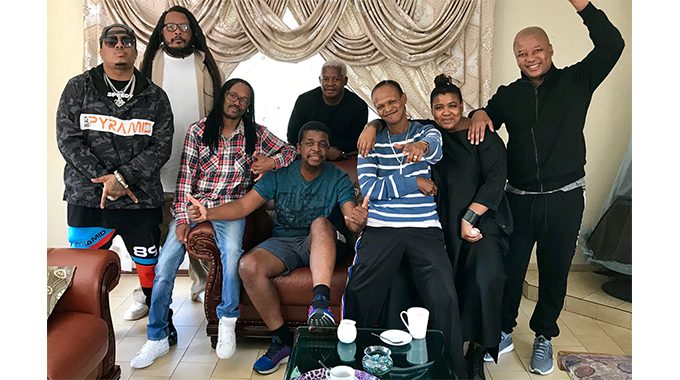
Langalakhe Mabena
KWAITO as a genre has stood the test of time from its creation in the early 1990s.
Today, people from all over the world groove to Kwaito and its various transmutations; AmaPiano, Tribal House, Gqom as well as House music.
How can one forget how club bangers like Arthur Mafokate’s Oyi Oyi brought “dead parties” to life?
How about the surreal energy at Gqom meets? Who can ever fully describe how the bass line passes your flesh and soothingly caresses your bones when house music plays? Are there even words to describe the crystal clarity of AmaPiano hits that infuse listeners with unbelievable energy?
For one to fully understand how Kwaito was created, the story of Kalawa and Jazmee as different stables has to be put into the mix, as they both, with other players like Arthur Mafokate’s 999 records, played a critical role in the creation of a genre which is today celebrated worldwide.
It’s easy to understand a story when you hear it from the horse’s mouth and to chronicle their narrative, the iconic Kwaito record label Kalawa Jazmee has created a four-part docuseries which was aired on Mzansi Magic.
They took viewers behind the scenes of South African music and its transformation, from the early 1990’s to date.

The documentary features legendary musicians who were there when the genre was created as well as youthful politicians who understand the combination of politics and popular culture, like Economic Freedom Fighters (EFF) president Julius Malema and Fikile Mbalula as well as veteran showbiz journalist Greg Maloka.
“The story of Kwaito can’t be separated from the stories of Kalawa and Jazmee as separate record labels. In the early 1990s, there was so much desperation for music that would resonate with the political and even social atmosphere in South Africa.
“We were bored with the western sound on local radio stations. So with the other young musicians during my time, we would create music characterised by our own sound.
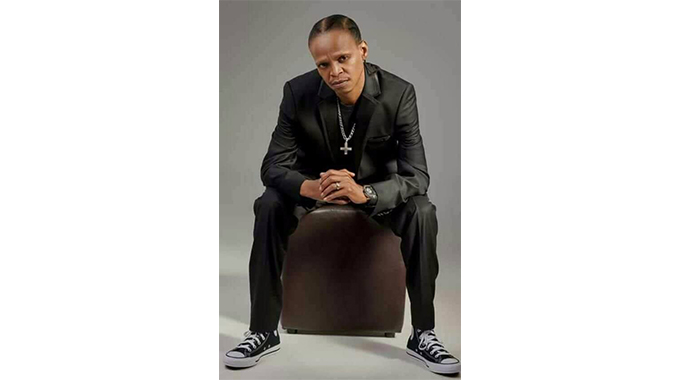
“This music was youth empowered, I mean we were young, naive and free to do and sing whatever we wanted including vulgar speech. After all it was our music and we were expressing ourselves the way we wanted.
“Our content didn’t go well with many, especially white people and the stations couldn’t play us because of the vulgar speech. We came up with a way of spreading our message by dubbing our mixes and selling them from the boots of our cars.
“We would do bashes in various Kasi places and the gigs were sold out meaning the youth were tolerating the vibe. This led to us giving the genre a name called “Kwaito” which is derived from the Afrikaans word “Kwaai” which refers to angry youths, which describes the tone and the sound of our music,” said Oskido.

He acknowledged that he created Kalawa with DJ Christos, with legendary Jazz muso and producer Don Laka jumping in later, as well as Bruce Sebitlo and Thebe joining the stable leading to the formation of Brothers of Peace (BOP).
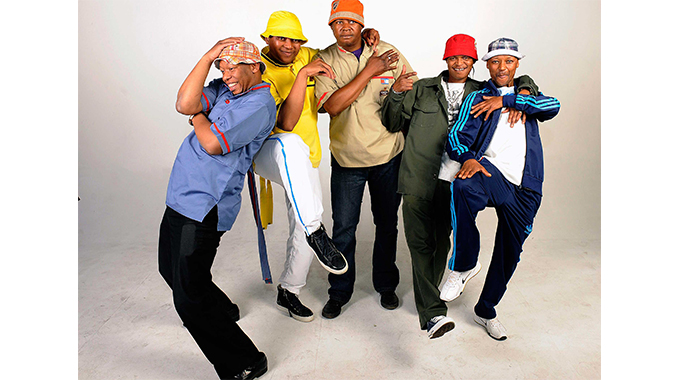
With Kalawa doing their own joints, on the other side of the town there was another stable comprising of young energetic Pantsula guys which was called Jazmee an abbreviation of the names of the crew namely Jairus, Zynne (Mahoota), Mandla (Spikiri), Eugene, and Emmanuel also known as Mjokes.

“Ours was a combination of dancers mostly. I was a producer with Zynne, who holds a Diploma in music, specialising mostly in playing Piano. So, this made our crew very strong because we had everything one would want from a musical crew.
“Our choreography as Pantsulas from Kasi is the one which made people fall in love because that perfected our craft,” said Mandla “Spikiri” Mofokeng.

What would then lead to the combination of these two stables to form Kalawa Jazmee was a serious feud over the credit of the song Sigiya Ngengoma by Trompies on their 2Cents ’99 collection produced by the Dangerous Combination Crew (DCC).
The song had lyrics “Ibize Moyeni” which Oskido claimed belonged to him. As a way of revenge Brothers of Peace (BOP) from Kalawa then released a diss track titled Traffic Cop, which also contained lyrics “Ibize Emoyeni.”
“That song really caused a lot of fights between us and these guys because they stole our song and the culprit was Jairus (Jakarumba). We fought every time when we clashed in bashes and sometimes guns would blaze. It was a tough situation,” said Oskido.

Despite Oskido and Sebitlo being talented on production, they always wished to work with Spikiri because he was a baseline King.
“One day gents called me to their studio. I was scared to go because I thought my Jazmee crew would label me as a snitch. At the end of the day I went there and I found Oskido and crew with Boom Shaka at their studio.
“This studio session would lead to us creating the Boom Shaka hit song Thobela. After that we acknowledged our strengths and we decided to work together hence the creation of Kalawa-Jazmee stable in 1994, because we wanted to also gain a lot from Oskido including owning our own music,” said Spikiri.
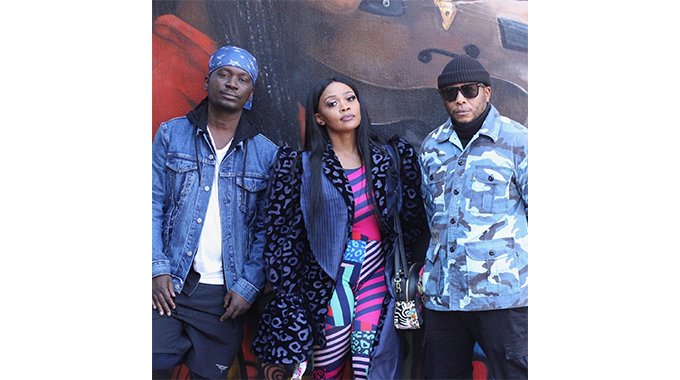
Since then, Kalawa Jazmee records has been credited as the pioneering independent record label in South Africa.
It continues to instigate prime new dance music trends and contributed to the evolution of Kwaito,
Afro-Pop and House music through Dangerous Combination Crew trading as Kalawa Jazzmee Records.
The stable has transformed music in Mzansi. Artistes who have been under the stable include Trompies, Boom Shaka, Mafikizolo, B.O.P, Bongo Maffin, Professor, DJ Maphorisa, Uhuru, Zonke, DJ Zinhle, Black Motion, Big Nuz, Busiswa and Vigroo Deep among others.
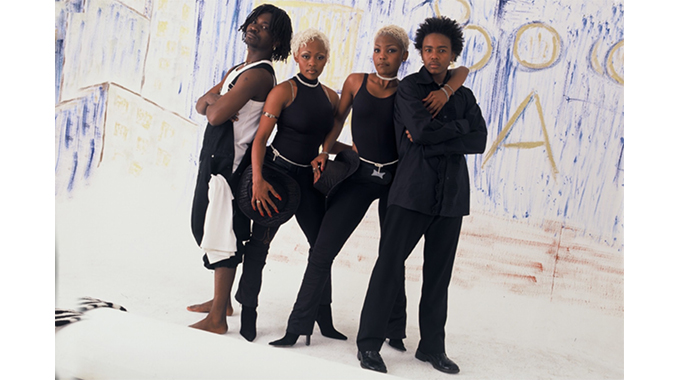
“We have done a lot under Kalawa, from the original Kwaito, we worked with the likes of Mafikizolo and we combined our talents and created a new wave which set the bar high.
“We have done game changers especially in the era when Mafikizolo returned with Khona, that song was appreciated by people from all over the world and it changed our lives.
“Now we are doing AmaPiano and it’s also rooted from Kwaito. Thanks to the elders who created Kwaito which has become our legacy,” said DJ Maphorisa.



 Online Reporter