Vusumuzi Dube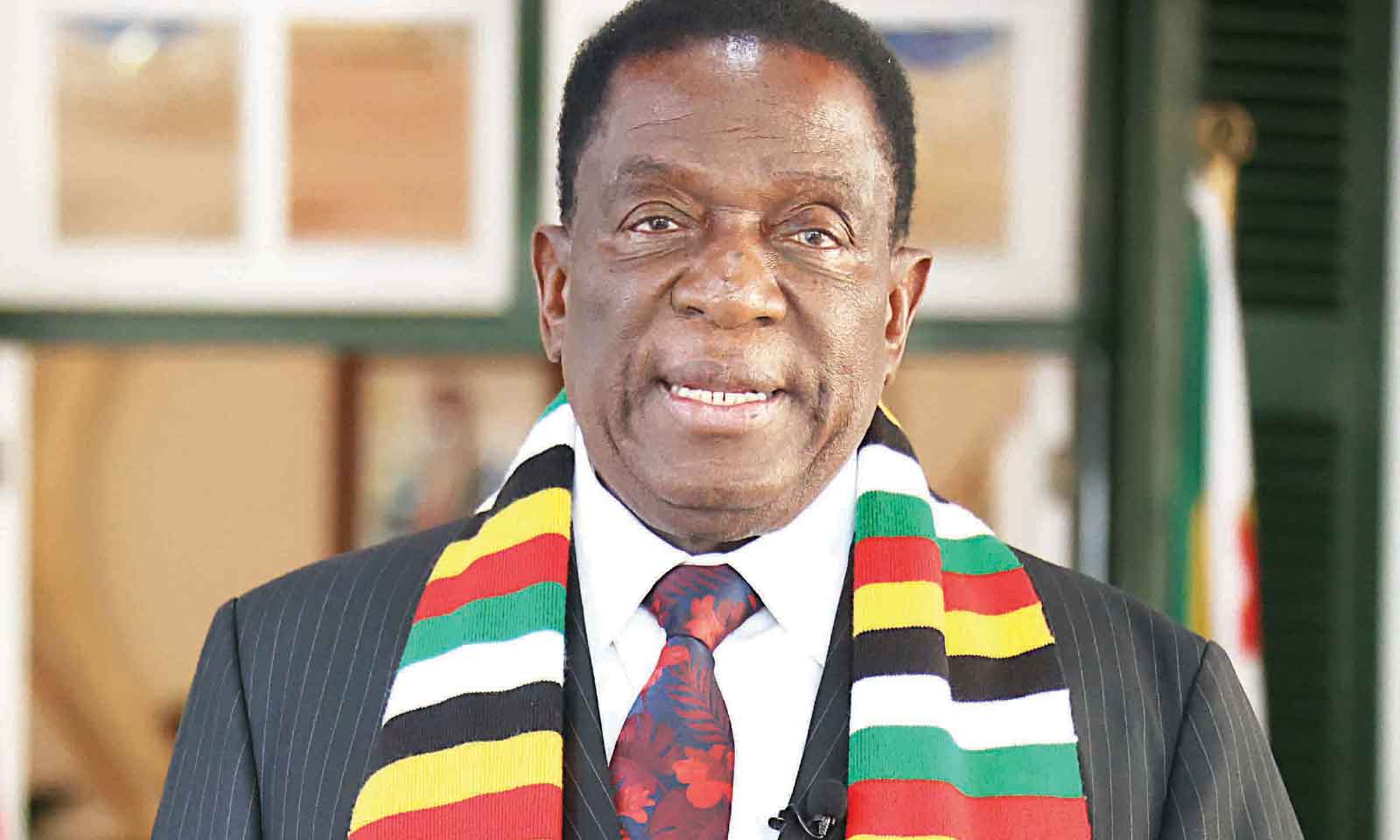
Elliot Ziwira
IGAVA Business Centre in Marondera, Mashonaland East, pulses with youthful energy today as more than 30 000 young Zimbabweans converge to commemorate National Youth Day, a celebration grounded in promise, patriotism and productivity.
The event, officiated by President Mnangagwa, comes as the nation intensifies its focus on youth empowerment as a central pillar of socio-economic transformation under Vision 2030.
Recently, the President launched the National Youth Empowerment Strategy (2026-2030) and the Presidential Youth Empowerment Revolving Fund to accelerate economic participation and skills development among young people, in line with the technology-driven aspirations of the National Development Strategy 2 (NDS2).
From the early hours of the morning, the usually quiet business centre has transformed into a vibrant hub of banners, vocational exhibitions, innovation showcases and cultural performances, reflecting the dynamism of Zimbabwe’s youthful population.
This year’s commemorations, themed “Youth Agenda for Transformation”, are firmly anchored in policy and practical opportunity, rather than symbolic observance.
At the heart of the celebration is a clear message from the Ministry of Youth Empowerment, Development and Vocational Training, which has reaffirmed its commitment to supporting young people across all sectors.
In a statement released ahead of the event, the ministry clarified public debate around the Youth Service in Zimbabwe (YSZ), stressing that the programme is not punitive but purposeful.
The ministry highlighted that young people deployed for vocational training in the People’s Democratic Republic of Algeria are graduates of the 2024 and 2025 YSZ intakes, and already hold honours degrees from various universities.
Rather than a barrier, the YSZ certificate is increasingly becoming a bridge that links academic qualifications with practical skills and national service.
The 2025 Cabinet Directive integrated YSZ graduates into the civil service recruitment framework, making the YSZ certificate a key requirement for public sector employment and an important consideration for Government scholarships.
The vision is clear: Zimbabwe seeks professionals who are academically capable, socially conscious and firmly grounded in national values.
Here in Marondera today, that aspiration is on display.
Government ministries, departments and agencies have come together to showcase opportunities in vocational training, innovation funding, agricultural support programmes, digital skills development and entrepreneurship incubation. For many young attendees, the event serves as a marketplace of possibilities that extend far beyond celebration.
Observed annually on February 21, National Youth Day is more than a date on the calendar. It is a reaffirmation of the liberation ethos that young people remain the vanguard of national development.
The day honours the contribution of young people to Zimbabwe’s political, social and economic advancement and provides a platform for Government to engage them on empowerment, employment and nation-building opportunities.
During the liberation struggle, it was the youth who carried the dream of independence across battlefronts and diplomatic corridors. Today, the focus has shifted from political liberation to economic empowerment.
The ministry’s statement places Zimbabwe’s efforts within a broader African context. Countries such as Nigeria, Namibia, Kenya and Ghana have their own versions of youth service programmes aimed at strengthening employability and civic responsibility.
Zimbabwe’s YSZ programme aligns with this continental trend, promoting structured youth engagement as a driver of national development.
Yet beyond frameworks lies a more pressing global issue: the rise of young people Not in Employment, Education or Training (NEETs). Worldwide, idle youth populations pose both social and economic risks.
Zimbabwe’s response, as outlined by the ministry, aims to reintegrate young people into productive pathways through vocational training, entrepreneurship support and structured national service.
Today’s gathering in Marondera speaks directly to this reintegration agenda.
Bringing thousands of young people together for dialogue, mentorship and exhibition signals that youth matters are not peripheral, but central to the national development matrix.
The fight against drug and substance abuse also features prominently. Communities across Zimbabwe have grappled with the harmful effects of illicit substances targeting vulnerable youths. National service, training programmes and structured engagement are being positioned as meaningful tools of prevention and rehabilitation.
“When young people are anchored in their identity and national consciousness, they are better prepared to lead with integrity, skill and purpose,” the ministry noted in its statement. This sentiment captures the spirit of National Youth Day.
With an estimated 6,7 million Zimbabweans aged between three and 18, national commitments involving young people must be consistently upheld.
Negativity should not be allowed to become habitual, reducing matters of national importance to trivial debates. A culture of love, peace and unity — even in adversity — must be nurtured among the youth, for mindset shapes outcomes.
There is always a starting point. When young people are taught the essence of nationhood and citizenship through curriculum reform and value-driven education, patriotic nationals who defend their country are shaped.
It is therefore commendable that the Second Republic, under President Mnangagwa, revived and rebranded the national youth service. It is an essential foundation, for every nation ultimately reflects the character of its citizens.
Young people must remain conscious of the choices they make, aware that the opportunities before them are born from sacrifice, service and patriotism.
They are encouraged to take an active interest in national affairs and avoid the politics of subterfuge. They should not straddle fences or expect others to fight their battles while criticising outcomes.
Since Independence in 1980, Government has worked to ensure youth inclusivity, supporting the welfare of young people and artists across all creative and sporting fields. Talents previously suppressed under colonial rule were given space to flourish.
The Second Republic has significantly expanded empowerment initiatives that promote entrepreneurship, education and skills development.
Through enabling policies, more citizens are now able to make their mark globally across diverse fields, occupying spaces once closed to them during the colonial era.
Such programmes not only fight poverty but also steer youths away from drug and substance abuse.
Crucially, for many of the 30 000 expected attendees, Igava Business Centre stands as a place of affirmation. Among them are university graduates exploring public service roles, vocational trainees, artisans, farmers, tech innovators, aspiring entrepreneurs and young people still discerning their future path.
President Mnangagwa’s presence underscores the political will behind youth empowerment. Under the Second Republic, youth development is viewed not as an expense, but as an investment — a principle captured in the mantra, empower the youth, empower the nation.
As Marondera hosts this national convergence, local businesses anticipate brisk activity and community leaders welcome the attention on Mashonaland East. Igava Business Centre stands today as a symbol of youthful aspiration.
National Youth Day 2026 is therefore both a celebration and a covenant — a promise between the Government and the younger generation that their creativity, resilience and energy will be recognised and supported.
Through the rhythm of drumbeats, cultural performances, innovation showcases and formal proceedings, youths see themselves not as statistics but as active stakeholders in Zimbabwe’s destiny.
From Marondera, the message carries across the nation: Zimbabwe’s future is youthful, skilled, patriotic and purposeful. At Igava Business Centre, that future is already taking shape.


 Online Reporter