Online Reporter
THE conclusion of the 90-day public consultation period on the proposed Constitution Amendment Bill (No. 3), which drew more than 300 000 submissions from citizens and organisations, stands as an affirmation of democracy in action in Zimbabwe.
It is not merely the end of a procedural requirement, but the culmination of a historic national dialogue that placed the people at the centre of constitutional reform.
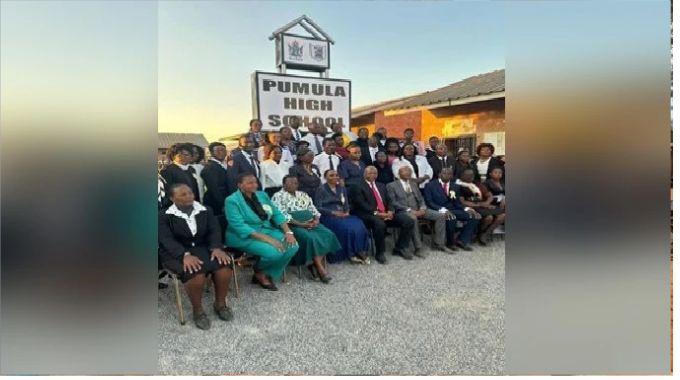
At a time when questions of governance, accountability and inclusion dominate global discourse, Zimbabwe’s adherence to Section 328 of the Constitution reflects commendable respect for the rule of law and participatory governance. The requirement for a mandatory consultation process is not symbolic; it is substantive. By opening the floor to Zimbabweans across all 64 districts, Parliament ensured that the voices of ordinary citizens were not only heard, but formally recorded as part of the legislative journey.
The scale of participation — over 300 000 submissions — is itself significant. It demonstrates that citizens are not apathetic observers, but active stakeholders in shaping the country’s supreme law. This depth of engagement speaks to growing public awareness and confidence in democratic processes, while also placing an important responsibility on policymakers to faithfully reflect these views in the next stages of deliberation.
Government must be commended for facilitating such a far-reaching exercise. Public hearings, written submissions and electronic contributions created multiple entry points for participation, ensuring inclusivity across geographic, social and economic divides. This is particularly important in a country with diverse communities and perspectives, where policy decisions must balance competing interests while advancing national coherence.
Equally notable is the Government’s deliberate decision not to rush the process. As Minister Ziyambi Ziyambi rightly indicated, Parliament will first take time to analyse and compile a comprehensive report before moving to debate. This measured approach reinforces the principle that constitutional reform must be guided not by haste, but by careful consideration of the will of the people. It reassures citizens that their contributions are not a mere formality, but a meaningful input into legislative outcomes.
The issues under consideration — ranging from presidential election processes to tenure, as well as broader institutional reforms — are fundamental to Zimbabwe’s governance architecture. As such, they demand the highest levels of scrutiny, transparency and public ownership. The consultation process has already laid a strong foundation in this regard, anchoring the reforms within the lived realities and expectations of citizens.
Critically, this process also strengthens democratic culture. Democracy is not only about periodic elections; it is about continuous engagement between the State and its people. By inviting citizens to shape constitutional amendments, Government is nurturing a participatory ethos that extends beyond the ballot box and into everyday governance.
As Parliament transitions to the next phase, the challenge now lies in ensuring that the final Bill reflects the spirit and substance of the consultations. The credibility of the process will ultimately be judged by how closely the legislative outcome aligns with the aspirations expressed by the public.
In this regard, the closing of the consultation window should not be seen as an end, but as the beginning of a new chapter — one in which public input is translated into concrete reforms. If handled with integrity and fidelity, this process will not only strengthen Zimbabwe’s constitutional framework, but also deepen trust between citizens and the State.
In many ways, the consultations have already achieved something significant: they have shown that democracy is alive, participatory, and evolving.