Chronicle Editor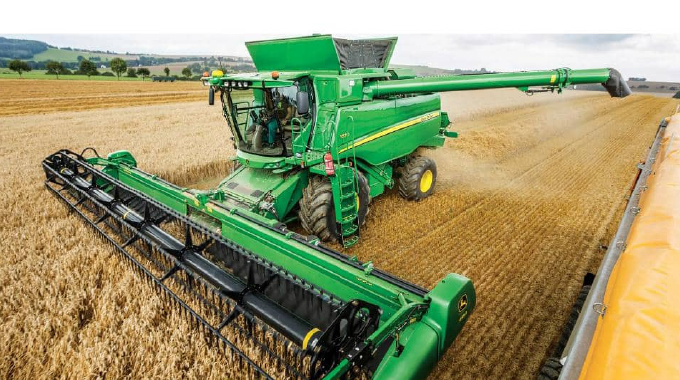
Rutendo Nyeve, Sunday News Reporter
MORE than 300 combined harvesters and 88 functional drying facilities are in place for the 2024/25 winter wheat harvesting expected to commence in a few weeks.
This comes as the Government is upbeat about surpassing the 600 000 tonnes target, a significant milestone towards achieving food security and self-sufficiency.
Responding to questions from Sunday News, Permanent Secretary in the Ministry of Agriculture, Fisheries, Water and Rural Development Professor Obert Jiri said with the nation fast approaching the peak of the 2024/25 winter wheat production cycle, all was in place in terms of mechanisation to ensure that timely harvest is done.

“There are 301 combine harvesters in the country, combined with 88 functional drying facilities. These are adequate to ensure that all wheat clusters harvest on time and deliver 600 000 MT of wheat for food security,” said Prof Jiri.
He said the area planted this year surpasses the ambitious target of 120 000ha set as the El Nino-induced drought started hitting the country.
Wheat farmers planted 121 962 hectares which is 34 percent above last season, ensuring a greater surplus over normal consumption and allowing more wheat processed foods to be manufactured and sold.
“In line with our wheat-based food security thrust, we are now at the twilight end of our wheat production so most of the wheat is now at the hard door stage and in two to three weeks, we will start harvesting. We still have our 121 962 hectares that are still growing in the field,” said Prof Jiri.
Responding to questions from Sunday News, AFC Holdings group strategy, marketing and corporate communications Ms Caroline Mozhendi said AFC is contributing 56 of the combine harvesters to help farmers with harvesting.
“We have 56 combine harvesters, which have flexible payment systems because farmers can pay cash or can opt to pay with grain which we are harvesting. Farmers need to make sure they have booked with us so that we visit and check their crop and schedule them in line with their crop readiness,” said Ms Mozhendi.
The anticipated wheat harvest is set to exceed 600 000 tonnes, surpassing the standard requirement of 360 000 tonnes and paving the way for a wider variety of wheat products to be produced and consumed.
This surplus of 240 000 tonnes will bolster the Strategic Grain Reserve, which holds about 400 000 tonnes, ensuring food security for the nation.
Notably, Zimbabwe achieved self-sufficiency in wheat production for the first time in 2022, and last year marked its first significant surplus.
Recognising the country’s competitive advantage in wheat cultivation, the Government has embraced a policy focused on increasing wheat surpluses and promoting the use of wheat-based foods.
The Government ensured farmers have adequate power with a dedicated command that reported power outages. A water command centre was also established and the migratory pests focusing on quelea saw about 21 technicians being deployed for the 10 drones that were sent to provinces.
Five vehicle-mounted sprayers and additional motorised sprayers had access to aircraft to ensure that there would be adequate quelea control so that every grain is used for human consumption.
@nyeve14


 Online Reporter