Chronicle Editor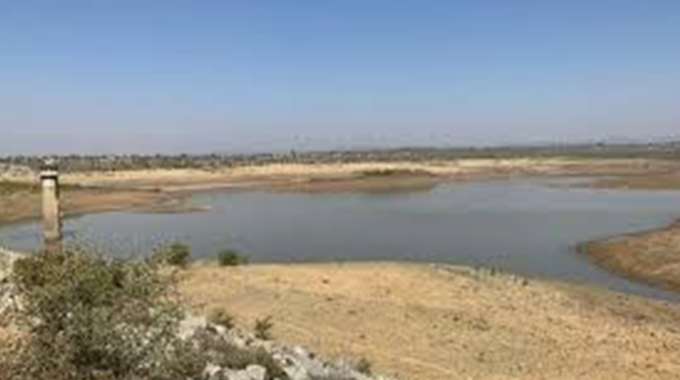
THE recent revelation that unscrupulous farmers and gold panners have vandalised Bulawayo’s water supply lines, compromising the city’s already precarious water situation, is a stark reminder of the devastating consequences of reckless human actions.
As the city grapples with a staggering 50 percent loss of treated water, primarily due to aging infrastructure and deliberate vandalism, it is imperative that we take collective responsibility to protect our water resources.
The unauthorised tampering with the bulk line to create a drinking spot for cattle is not only short-sighted but also poses significant health risks to humans and animals alike. Contaminated water can lead to the spread of water-borne diseases, further exacerbating the city’s health woes.
Moreover, the fact that this vandalism occurs amidst a harsh 120-hour water-shedding schedule, which has left residents struggling to access this basic necessity, is a stark indictment of our priorities. While residents endure the hardships of water scarcity, some individuals prioritise their selfish interests over their collective well-being.

The city’s aging infrastructure, coupled with the El Niño-induced dry spells, has pushed Bulawayo’s water supply to the brink. It is imperative that we adopt a proactive approach to address these challenges. This includes investing in infrastructure upgrades, enhancing water conservation efforts and enforcing stringent measures to prevent vandalism.
Furthermore, it is crucial that we foster a culture of responsibility and accountability. Those found guilty of vandalising water infrastructure must face the full wrath of the law. Additionally, community engagement and education initiatives can help raise awareness about the importance of water conservation and the devastating consequences of vandalism.
The vandalism of Bulawayo’s water supply lines is a stark reminder of the need for collective action to protect our water resources. We must prioritise water security, invest in infrastructure, and foster a culture of responsibility to ensure that this basic necessity is available for future generations.


 Online Reporter