admin
admin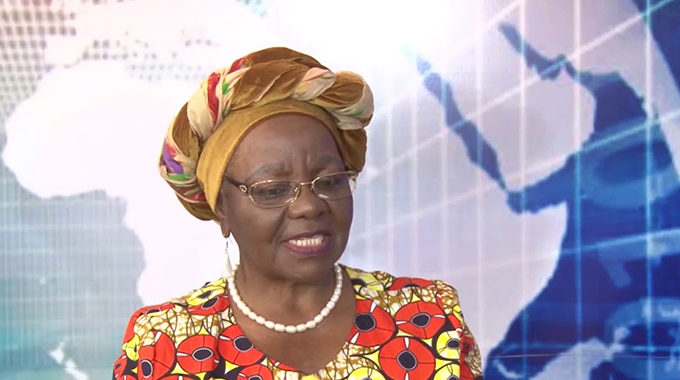
Sikhulekelani Moyo Bulawayo Bureau
GOVERNMENT is facilitating formalisation of about 300 informal businesses in the next three months while training and awareness campaigns continue to be rolled out countrywide to capacitate budding businesses to operate legally.
Women Affairs, Community, Small and Medium Enterprises Development, Dr Sithembiso Nyoni, said many small businesses were not aware of the benefits and importance of formalising their operations hence the need to scale up awareness campaigns.
She said many SMEs are not formalised because they lack knowledge as they do not know how to do it and how much is needed to register a company.
“It’s not true that SMEs are afraid of formalisation because they don’t want to pay taxes, but it is because they don’t have knowledge on how to register a company, how much it cost and also the importance of having a register business,” said Dr Nyoni in an interview.
“Last week we graduated 84 SMEs who have been formalised and we are targeting to formalise about 300 in the next three months.
“As a ministry, we are linking SMEs with the Zimbabwe Revenue Authority and Standards Association of Zimbabwe so that they get information on the importance of formalisation and on issues related to tax and standard testing of their products.” Estimates indicate that close to 80 percent of the working population in Africa is employed in the informal sector with the Zimbabwean economy now 70 percent informal, according to the Employer’s Confederation of Zimbabwe (Emcoz).
The Covid-19 pandemic has compounded the situation and governments, including Zimbabwe, are seized with processes to formalise the informal economy to harness revenue opportunities in tax payment and service provision.
Dr Nyoni said every business must pay tax one way or the other but stressed the need to be formalised so as to contribute meaningfully to national development. She went on to say a lot of SMEs have shown interest in being formalised after getting information on how to do the process.
“We’re yet to have a compiled figure of those who have formalised so far but what I can say now is a lot of them are being formalised,” she said. In his 2023 National Budget Statement, Minister of Finance and Economic Development Prof Mthuli Ncube said there is need to support SMEs to grow through formalisation.
“Statistics indicate that the larger the enterprise, the less likely it will be informal, implying that supporting small business to graduate to higher levels of SMEs is one way of promoting formalisation and addressing informality,” said Pro Ncube. According to National Financial Inclusion Strategy II as presented in the 2023 National Budget statement, SMEs continue to formalise with medium enterprises growing from 36 percent by 2021 to 100 percent by 2022 while small enterprises grew from 37 to 42 percent with micro enterprises increasing from 25 to 29 percent while individual enterprises remain stagnant at 10 percent. Bulawayo Chamber of SMEs chairperson, Mr Coustin Ngwenya, said the Government should continuously engage the SMEs through its leadership to get the appreciation of their expectations and challenges so as to come out with necessary interventions, which will promote formalisation.



 Online Reporter