Chronicle Editor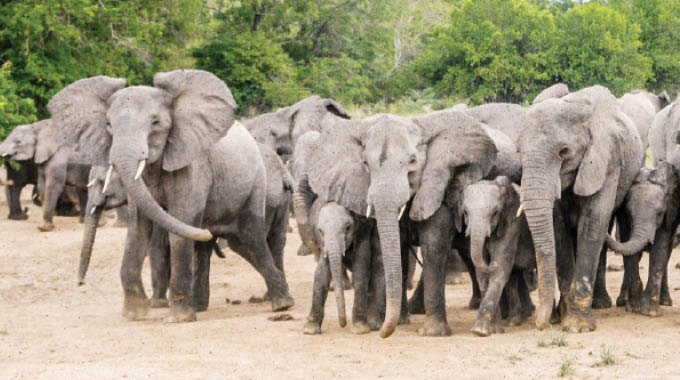
Nqobile Tshili, [email protected]
ABOUT 35 people died while 80 others were injured due to human animal conflict last year with communities close to the Hwange National Park in Matabeleland North Province being the worst affected.
This comes amid concerns over the increase in wildlife population, especially of elephants that dominate human wildlife conflicts as they destroy crops and when they come in contact with people they attack, killing and injuring others.
Environment, Climate Change and Wildlife Minister, Dr Sithembiso Nyoni, said the increase in wildlife population continues to be a threat to lives in communities near parks. She was responding to questions from legislators in Parliament recently.
“Zimbabwe continues to face numerous challenges of increased human wildlife conflict that threaten people’s safety and their livelihoods. In 2023 alone, more than 35 people were killed by wildlife and more than 80 were injured,” said the minister.
“The consequences of human wildlife conflict are more serious in wildlife areas such as communities around Hwange National Park.
“People lose livestock and crops and yet these are an important part of their livelihoods and incomes, apart from themselves losing lives.”
Dr Nyoni said within a year, the elephant population has increased by more than 12 000 and communities feel the brunt of wildlife conflict hence the Government is in the process of setting up a fund to compensate affected communities.
“In Matabeleland North, the elephant population has increased from 49 310 to 61 531. This was from 2021 to 2022 an increase of 12 221 and this was based on an aerial survey.
“Most of the elephants are in Hwange National Park and regularly destroy people’s crops. They kill people when they are irritated or encounter people,” she said.
“Government is setting up a human wildlife conflict relief fund that will provide relief for the remaining family members of those killed and relief for those injured and maimed.”
Dr Nyoni said the Zimbabwe Parks and Wildlife Management Agency will manage the fund and a community consultation programme is ongoing to structure the fund. While the country is battling to contain human animal conflicts, the Convention on International Trade in Endangered Species (CITIES) treaty is limiting the trade in the country’s ivory.
Due to sustainable management of wildlife, said the minister, the country is sitting on a stockpile of 166 221,18kg from 26 906 pieces from inside and outside the parks and wildlife estate.
“As I speak, we have a whole pool of ivory with a stock net worth of US$700 million that we are not allowed to sell,” she said.
Dr Nyoni said CITES should allow Zimbabwe among other regional countries to trade in ivory for sustainable development of communities, which in turn will reduce human wildlife conflict. — @nqotshili.


 Online Reporter