Online Reporter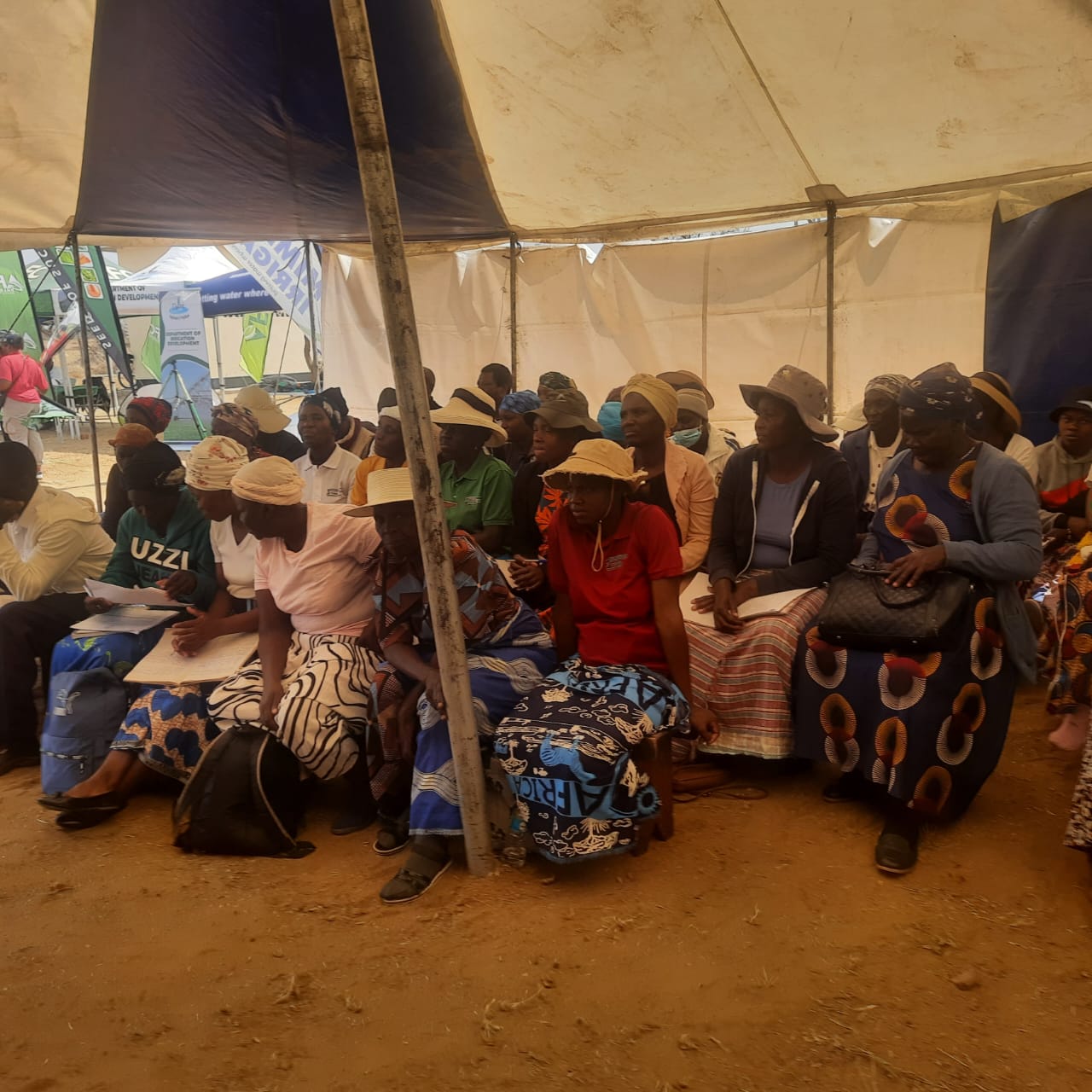
Gibson Mhaka
IN a groundbreaking initiative for farmers, more than 350 smallholder farmers across Zimbabwe are set to access global markets following the launch of a new programme designed to link irrigation schemes with private sector partners.
This move is expected to significantly boost productivity and integrate local schemes into the mainstream economy.
The initiative is a joint effort by the Government of Zimbabwe, the Green Climate Fund (GCF), and the United Nations Development Programme (UNDP), targeting farmers in Manicaland, Masvingo, and Matabeleland South.
Its primary objective is to facilitate access to profitable markets, enhance farmer incomes, and build resilience against climate change.
The programme operates under the seven-year Climate Resilience Livelihoods (CRL) project, which provides support to over 2.3 million people in climate adaptation efforts. It uses private sector dialogues and farmer learning days to strengthen market access, introduce new technologies, and promote sustainable agricultural practices.

Speaking on the initiative, CRL project manager Mr Rungano Benza said these dialogues are a vital step in connecting smallholder irrigation farmers with private sector buyers, financial institutions, and input suppliers.
“By linking production with profitable markets, we are ensuring that farmers can sustainably increase yields, incomes, and resilience,” Mr Benza said.
He further explained the comprehensive nature of the intervention.
“The new approach combines business-to-farmer sessions, where companies share opportunities for contract farming and value chain integration, with field days that demonstrate climate-smart technologies like solar-powered and drip irrigation systems, as well as soil and water conservation techniques.”
A central component of the programme is gender equity, with deliberate efforts to ensure women farmers are empowered to participate in and benefit from the new market opportunities.
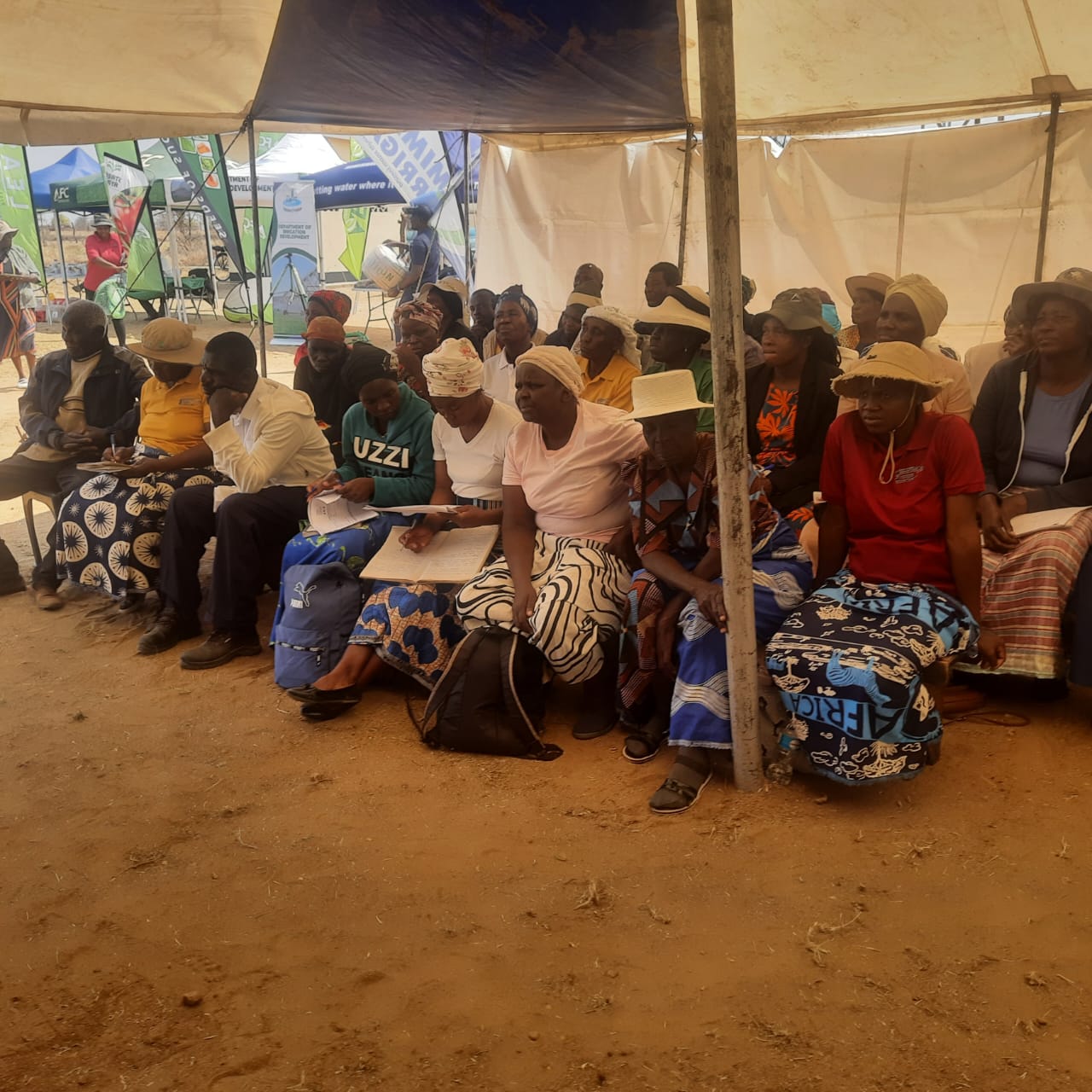
Mr Benza confirmed the scale of participation, saying, “More than 350 individuals are expected to participate across the three provinces, including irrigation management committees, local leaders, and extension officers.
“Private sector partners involved range from banks and microfinance institutions to input suppliers and climate-smart technology companies.”
The initiative directly aligns with Zimbabwe’s Vision 2030 and the National Development Strategy 1 (NDS1) by bolstering agricultural productivity and fostering inclusive economic growth.
It also contributes significantly to the achievement of the Sustainable Development Goals (SDGs), particularly those related to food security, gender equality, and climate action.