Online Reporter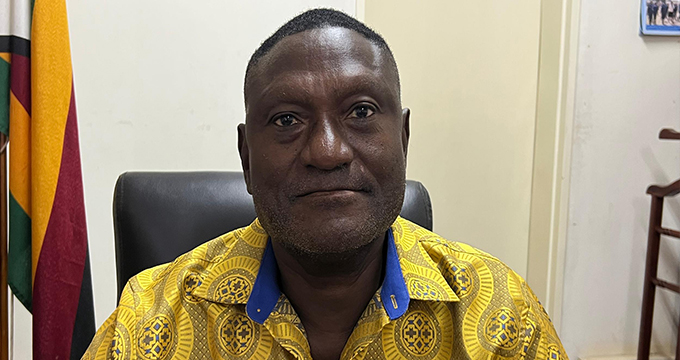
Sukulwenkosi Dube-Matutu [email protected]
ABOUT 400 people in Matabeleland South have been arrested for drug-related offences, amid growing concern over rising substance abuse and an increase in female involvement in trafficking and distribution networks.
Statistics from the province show that of the 398 people arrested, 119 were identified as suppliers, with women accounting for a significant proportion. Of these, 61 were female while 58 were male, highlighting a shifting trend in the drug trade.
Minister of State for Matabeleland South Provincial Affairs and Devolution, Albert Nguluvhe, said Government has intensified law enforcement efforts to dismantle drug supply chains and bring offenders to justice.
He said provinces had been tasked with crafting strategies to combat drug and substance abuse, including mobilising resources to support intervention programmes following a national call to action by Emmerson Mnangagwa.
On July 11, 2025, President Mnangagwa launched the National Drug and Substance Response Resource Mobilisation Programme in Harare to strengthen efforts against the growing crisis.
As part of ongoing interventions, the TB Centre in Gwanda Urban is set to be refurbished and converted into a rehabilitation facility for substance abuse victims.
Other measures implemented in the province include awareness campaigns, increased police patrols, community empowerment initiatives and sporting activities aimed at engaging youths.
Authorities revealed that the Provincial Drug and Substance Abuse account currently holds ZWG$2 072 and US$24 241 to support ongoing programmes.
Government has also established a National Committee on Drug and Substance Abuse, guided by seven pillars focusing on supply reduction, demand reduction, harm reduction, treatment, rehabilitation, strengthening legal frameworks, community reintegration and media strategies.
Last year, Government allocated ZWG$865 million towards the programme, while calling on individuals, corporates and development partners to contribute through funding and partnerships.
Zimbabwe adopted the National Drug Master Plan in 2021, providing a framework for addressing substance abuse through supply and demand reduction, treatment and rehabilitation, and community reintegration.
However, despite these efforts, substance abuse — particularly among young people — continues to rise, underscoring the need for more robust and responsive interventions.
@DubeMatutu