Blessings Chidakwa Senior Reporter
FROM beautifully crafted traditional outfits bearing family totems and traditional cuisine to mock court sessions celebrating customary justice, Zimbabwe’s rich cultural heritage took centre stage on Friday night at the Angel of Hope Foundation’s annual Shonga Mutupo Wako Fundraising Dinner in Harare.
The event attracted an overwhelming turnout, with demand exceeding the available seating capacity and some guests even failing to secure tables.
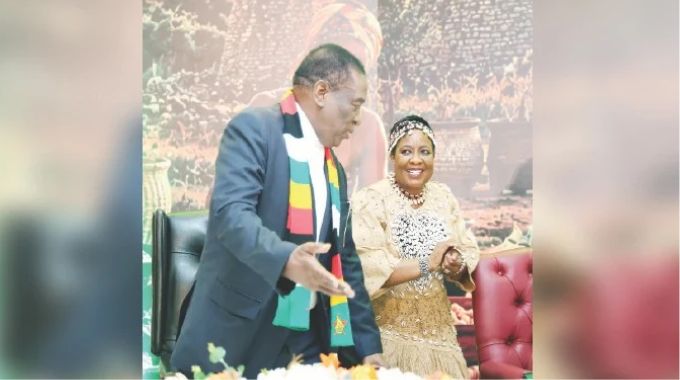
It was graced by the First Lady’s supportive husband, President Mnangagwa, who congratulated and applauded her longstanding commitment to empowering communities and supporting vulnerable groups through the Angel of Hope Foundation, which she established in 2018.
The dinner brought together culture, gastronomy and philanthropy, with guests embracing an occasion that celebrated their roots while supporting humanitarian work.
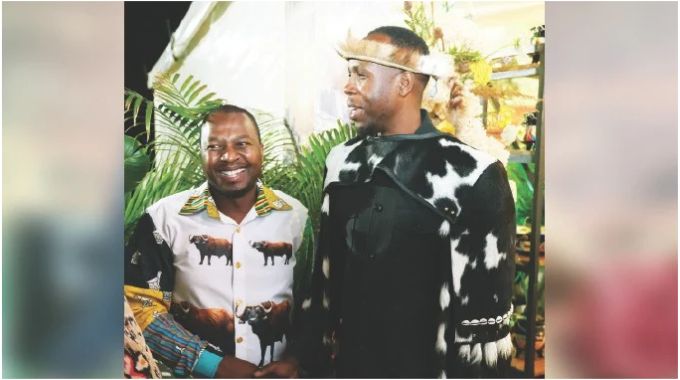
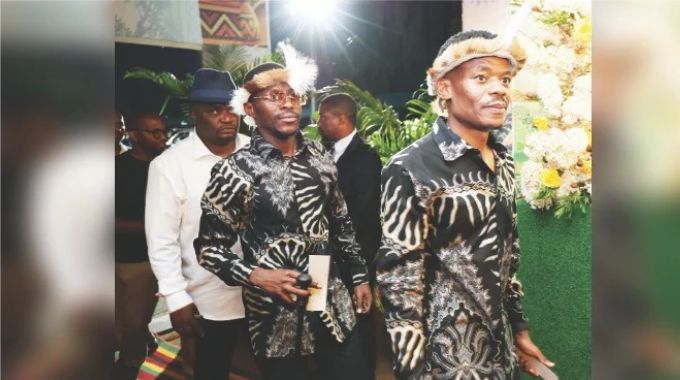
The theme “Shonga Mutupo Wako”, meaning showcase your totem, came alive as guests arrived elegantly dressed in colourful outfits inspired by their respective totems.
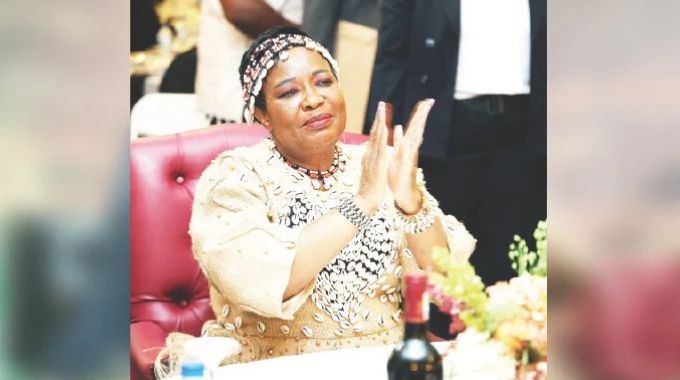
Mother Zimbabwe set the tone for the evening, gracing the occasion in a stunning outfit beautifully designed around her Moyo totem, proudly celebrating her family heritage.
Guests representing different clans and family lineages transformed the venue into a vibrant tapestry of Zimbabwe’s cultural identity, with each outfit reflecting stories, symbols and traditions passed down through generations.
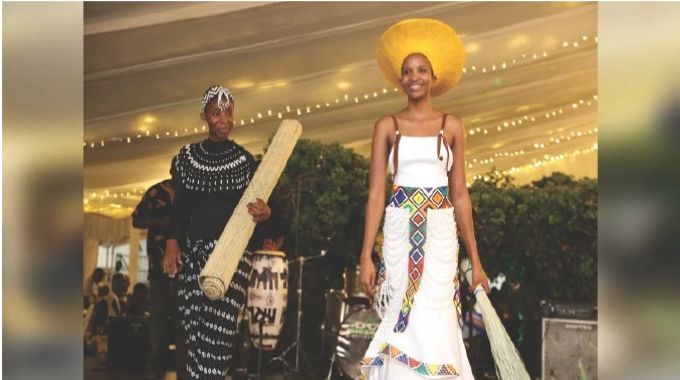
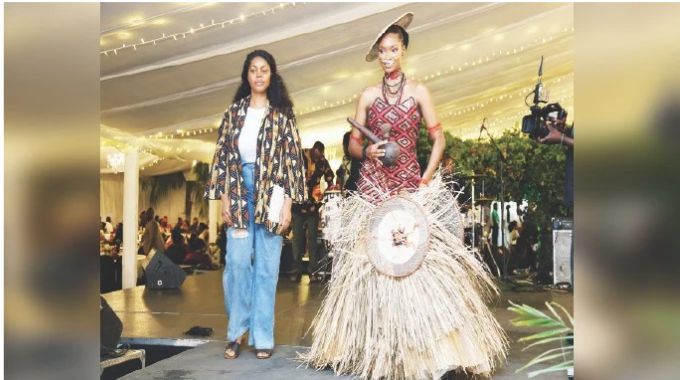
The celebrations reached another high point when participants took to the stage for a fashion showcase, proudly modelling their totem-inspired attire.
Models also added glamour to the evening, showcasing stunning creations by local designers made from fabrics bearing different totems.
The beautifully designed outfits offered a feast for the eyes, with creative interpretations of various totems highlighting the richness and diversity of Zimbabwe’s cultural heritage.
Beyond the glamour, the showcase carried a deeper message about the importance of totems in defining family identity, preserving ancestral heritage and strengthening bonds between generations.
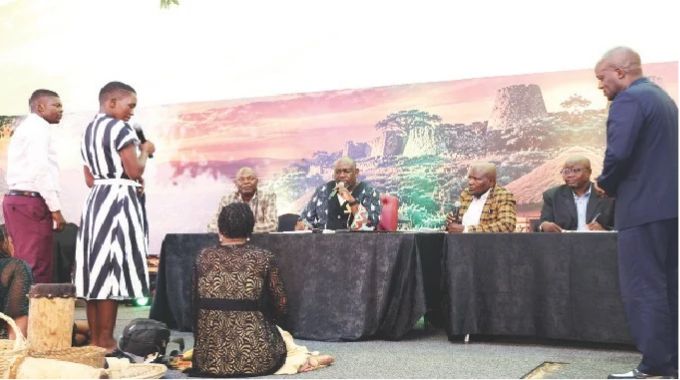
The evening also offered guests a glimpse into Zimbabwe’s customary justice systems through mock traditional court sessions led by revered Chiefs Mutasa and Chikwaka, bringing to life practices and principles that have guided communities for generations.
The sessions demonstrated how traditional courts provide accessible, less costly and culturally grounded avenues for resolving disputes, placing emphasis on dialogue, reconciliation and the restoration of harmony.
They also highlighted the role of traditional institutions in upholding societal values, strengthening social cohesion and ensuring communities have familiar and accessible mechanisms for resolving disputes.
The venue was elegantly transformed to reflect the beauty of African heritage, with tasteful traditional décor and carefully curated details giving the setting an authentic African flair.
The ambience provided a fitting backdrop for the celebration of Zimbabwean identity.
Guests also enjoyed a sumptuous spread of traditional delicacies, feasting on a variety of dishes that showcased the richness and diversity of Zimbabwean cuisine.
The menu also featured the popular homemade alcoholic brew known as “Seven Days”, expertly prepared by seasoned elderly women, which quickly became a favourite among many attendees. The celebrations continued with music and dance as guests took to the dance floor, adding to the lively atmosphere and showcasing the vibrancy of Zimbabwean cultural expression.
While culture provided the evening’s central attraction, philanthropy remained its underlying purpose. The First Lady’s own clay pots also attracted considerable interest, with guests eagerly bidding against one another in a spirited contest to secure the prized pieces.
The annual dinner, hosted by the First Lady in her capacity as Patron of the Angel of Hope Foundation, is a fundraising initiative aimed at mobilising resources to sustain the organisation’s humanitarian programmes.
It also brought together partners and well-wishers whose continued support enables the Foundation to extend assistance to vulnerable members of society. The Shonga Mutupo Wako Fundraising Dinner thus offered more than an evening of cultural expression.
It provided a platform to celebrate the identities that define Zimbabweans while rallying support for initiatives that make a difference in the lives of those in need.
President Mnangagwa, who was the guest speaker, applauded the First Lady for her continued dedication to uplifting communities and assisting vulnerable groups through the Angel of Hope Foundation. He said the Foundation’s interventions reflected a strong commitment to compassion, service and ensuring that every citizen had access to dignity, hope and opportunities to improve their lives.
President Mnangagwa also applauded the Foundation’s partners for supporting initiatives targeting women, the elderly, persons with disabilities, orphans and vulnerable children.
“I commend the First Lady for demonstrating longstanding commitment to empowering communities through proffering practical solutions to the day-to-day life experiences,” he said.
“In her DNA runs an indelible character trait of helping women, the elderly, persons with disabilities, orphans and vulnerable children across communities to build a brighter and prosperous future, while allowing families to thrive.”
The President said supporting vulnerable communities was a shared responsibility requiring active participation from individuals, businesses and organisations across the economy.
He said contributions to the Foundation went beyond financial donations, representing an investment in human dignity, stronger families and empowered communities.
“In the spirit of forging collaboration and synergies, I am inviting you all to be partners in transforming lives and building a more prosperous Zimbabwe we all want,” he said.
“This vision is achievable. Your support is not merely a donation, but an enduring investment in human dignity, stronger family structures, an empowered citizen, as well as a community that proudly preserves, safeguards and promotes its cultural heritage.”
In her address, Angel of Hope Foundation Patron Dr Mnangagwa called on Zimbabweans to embrace their cultural identity, preserve their traditions and pass their heritage on to future generations, saying totems remained an important anchor in a world increasingly influenced by foreign cultures. The Culture and Heritage Ambassador expressed delight at seeing people proudly displaying their different totems through their attire.
“We gather to celebrate our rich identity, Shonga Mutupo Wako. This is an exceptional showcase of Zimbabwean gastronomy, dress and heritage,” she said.
“In our culture, your totem is your spiritual passport, your ancestral surname, giving the ultimate account of your lineage’s history.”
Dr Mnangagwa said totems played an important role in defining family relationships and preserving cultural values, including prohibitions against eating one’s totem animal and marrying within the same clan.
She said totems also imparted important lessons about respect, good morals and the need to maintain harmonious relationships.
“It is taboo to consciously eat your totem animal. Mitupo define our boundaries, forbid marriage within the same clan, even if we are meeting for the very first time,” she said.
“Mutupo is a system that teaches us about heritage, reminding us where we come from. Every mutupo has its taboos, zviera zvayo, zvetsika nemagariro. Culture is lived through respect, having good morals and not keeping hatred because we are all related.”
Dr Mnangagwa said events such as the Shonga Mutupo Wako dinner provided an opportunity for Zimbabweans to proudly showcase their heritage and communicate their identity to the world.
“Events like this remind us that when we wear our traditional attire proudly and honour our totems, we are declaring to the world who we are,” she said.
The First Lady expressed concern that some young people considered traditional practices old-fashioned, urging them to appreciate their cultural identity rather than lose themselves by copying other cultures.
“Today, some young people say or think mutupo is old-fashioned. But I say in a world where people are losing themselves, copying other cultures, we are covered by mutupo because that is our anchor,” she said.
“Hazvinei kuti wakadzidza chaizvo kana kuti unogara kupi asi paunongoti ndiri Moyo, it confirms you know where you come from.”
Dr Mnangagwa called on parents and guardians to deliberately teach children about their totems and encourage the use of indigenous languages.
“Therefore, let us teach our children about their mitupo. Let us speak our language, let us do all this with pride. I am proud to be Zimbabwean,” she said.
Turning to traditional cuisine, Africa’s Queen of Gastronomy, Dr Mnangagwa, said traditional food was equally important in expressing the country’s identity, with every dish carrying cultural values.
“Coming to our food, every dish represents resilience and purity. The way we eat reflects our values,” she said.
Dr Mnangagwa highlighted traditional dining practices, including washing hands before meals, using the right hand and sharing food from a communal bowl, as symbols of cleanliness and unity.
The First Lady also underscored the importance of hospitality, saying visitors should always receive the best treatment.
“We always ensure that this visitor receives the finest portions because muenzi is a visitor from God. Saka nhasi pano vaenzi muchadya, muchanwa mukaguta,” she said.
The First Lady described Zimbabwean culture as dynamic and sophisticated, challenging perceptions that traditional practices were incompatible with modern life.
“Our culture is not old-fashioned or static, it is dynamic, beautiful and deeply sophisticated,” she said.
Dr Mnangagwa urged Zimbabweans to protect indigenous languages and traditional foods from disappearing under the influence of modernisation.
“Let us not allow our languages and our foods to vanish into the shadows of modernisation. Honour your source, protect your roots and let the legacy of our history and Ubuntu continue to burn brightly, our food, our dress and our unity,” she said.
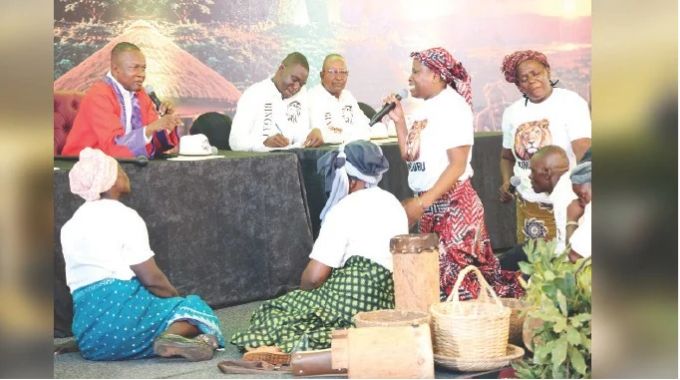
The mock traditional court proceedings presided over by Chief Mutasa centred on a family seeking compensation for an avenging spirit (ngozi) following the alleged murder of one of their relatives.
The proceedings took a dramatic turn when the avenging spirit manifested during the hearing, demanding 15 head of cattle as compensation for the alleged killing. Before the hearing commenced, the traditional court clerk outlined the rules and expected conduct, stressing the need for discipline and respect. Members of the public were cautioned against attending the proceedings while intoxicated.
Women were encouraged to wear traditional wraps and doeks, while men were urged to dress appropriately, avoiding shorts, work suits and gumboots. The complainant, Sofia Makanyanga, took an oath before presenting her case, telling the court that her family was being troubled by an avenging spirit following the alleged killing of her brother. She said the spirit had brought turmoil to the family, reportedly contributing to marital breakdowns. In his ruling, Chief Mutasa explained that customary law no longer allowed ngozi cases to be settled by giving a woman or girl from the offending family, with compensation instead negotiated through cattle, goats, chickens or cash. He stressed that acknowledging wrongdoing and resolving the matter were essential to restoring peace, warning that an avenging spirit could not be ignored because failure to settle such disputes could affect generations, including family members not directly involved in the original wrongdoing.
He also advised that such cases should be handled by the husband’s male relatives in marital families, while urging families to uphold their cultural obligations and not use constitutional guarantees of freedom of worship or church membership to evade customary responsibilities. Chief Mutasa encouraged the affected families to brew traditional beer and convene a family gathering to agree on how compensation would be raised and paid.
He emphasised that the arrangements should be negotiated and concluded through the traditional court rather than at a bar.
The second mock traditional court, presided over by Mambo Chikwaka, heard a case involving allegations of adultery, with Brighton Tembo accusing Trymore Musomi of having an affair with his wife. Tembo told the court that he had evidence in the form of text messages recovered from his wife’s phone.
He said one of the messages read, “Wafamba zvakanaka here, sweetie?” to which his wife allegedly responded, “Ndafamba mushe, daddy.”
Another message reportedly read, “Nhasi wandigutsa, tokwanisa kuonana here mangwana?”
Tembo said he traced the telephone number through EcoCash records, which identified the sender as Trymore Musomi.
He also presented photographs allegedly taken by his friend, showing Musomi and his wife . In his defence, Musomi denied the allegations, insisting that he had never communicated with the complainant’s wife or sent her text messages. He dismissed the evidence as AI-generated and suggested that the accusations were motivated by hostility towards his wife’s clothing business. The complainant’s wife confirmed that she was indeed having an affair with Musomi.
She went on to describe his physical features and made a further revelation, claiming that her youngest child had been fathered by Musomi.
The accused man’s wife, who was visibly emotional, also addressed the court, saying she believed the complainant’s account and insisting that the woman was telling the truth.
In his ruling, Mambo Chikwaka condemned the conduct, questioning how Musomi could interfere in another man’s marriage.
He also challenged the complainant’s wife over her conduct, asking why she had destroyed another woman’s marriage.
Musomi dismissed the allegations, but the chief maintained that the testimonies presented before the court had exposed the affair.
Mambo Chikwaka said a man who took another man’s wife was required to pay four head of cattle as compensation.
He further said the accused had to provide cattle and goats for disturbing the peace of the chiefdom.
The traditional leader also directed that the complainant’s wife’s father be brought before the court to address the matter with the affected family. The court further questioned Musomi over allegations that he had sold a piece of land, prompting the summoning of the village head (sabhuku) to provide clarification.
Musomi eventually asked for forgiveness during the proceedings. Tourism and Hospitality Industry Minister Barbara Rwodzi described the Shonga Mutupo Wako Fundraising Dinner as a celebration of Zimbabwe’s culture, identity and heritage, crediting the First Lady for leading efforts to revive and promote the country’s traditional gastronomy and cultural practices.
She said the First Lady had played a pivotal role in reconnecting Zimbabweans with their cultural roots through initiatives such as Nhanga/Gota/Ixhiba, which had helped place Zimbabwean traditions on the international stage.
“Tonight marks a celebration of our culture and identity, of who we are as Zimbabweans. We have gathered here to celebrate our identity and heritage,” she said.
Minister Rwodzi said the First Lady had led by example in promoting traditional values and practices, ensuring that younger generations understood their roots and appreciated their cultural inheritance.
“Her Excellency Dr Mnangagwa is our mother, who has taught us and brought us back to our traditional gastronomy. Through Nhanga/Gota/Ixhiba, she has helped take our culture to UNESCO. Just last week, our gastronomy was recognised at FAO, following its recognition by UN Tourism,” she said.
Minister Rwodzi said the First Lady had demonstrated that leadership in cultural preservation required action and personal commitment.
“She has said that, as the mother of the nation, if she is going to teach people about culture and traditions, she must lead by example. Today, our young people know who we are, our identity, culture and heritage, which God gave us,” she said.
Minister Rwodzi said the First Lady had helped break down barriers that previously limited ordinary Zimbabweans’ access to State House, creating opportunities for them to visit the premises freely and celebrate their culture and heritage. Minister of Defence Oppah Muchinguri-Kashiri congratulated the First Lady on the successful Shonga Mutupo Wako Fundraising Dinner, thanking her for bringing people together to celebrate Zimbabwe’s cultural heritage. Minister Muchinguri-Kashiri began by expressing gratitude to President Mnangagwa for recognising and supporting the First Lady’s work, particularly her efforts to assist vulnerable communities.
“Your Excellency, the President, thank you for recognising our First Lady. Thank you for supporting her. Thank you for standing beside her, not only as a husband, but as a President who cares for the vulnerable,” she said.
Turning to the First Lady, she said: “To our First Lady, Dr Mnangagwa, we say makorokoto for a very successful event. Tinotenda. We want to thank the First Lady for organising this beautiful event. Thank you for bringing us together tonight.”
Minister Muchinguri-Kashiri also acknowledged the First Lady’s vision, commitment and compassion, congratulating her on the international recognition she had received for her work.
“Thank you for your vision and your hard work and your motherly heart. We congratulate you for your great work, work that has won you international accolades and brought honour to Zimbabwe,” she said.
The event left attendees with a profound sense of belonging and pride in the country’s rich cultural heritage.