Fungai Lupande-Mashonaland Central Bureau
ALTHOUGH he had no formal education and no children of his own, Benson Chizura devoted his life to building a school that would give generations of children in his community a chance to learn and build a better future.
In 1966, when education remained beyond the reach of many children in Chaka village, Dotito, Chizura started on a solo journey to build St John’s Chizura Primary School, moulding bricks by himself, clearing bushes and digging the ground to lay the foundation for an institution that continues to shape lives nearly six decades later.
Chizura was a member of ZAPU; by day, he moulded bricks for the school, and by night, he engaged in political activism.
Today, the school stands as a lasting testament to a man whose vision went beyond his lifetime, having helped produce farmers, nurses, lawyers, teachers, engineers and doctors.
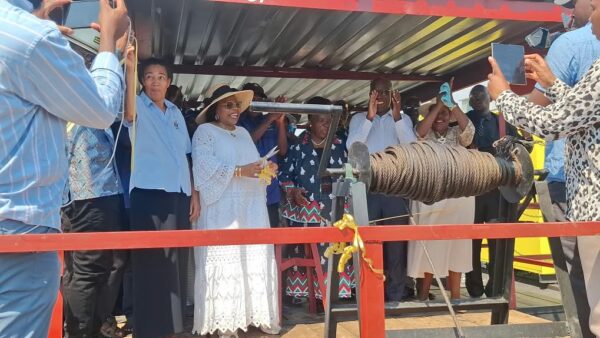
On Saturday, the community gathered to honour Chizura by remembering his contribution to education and unveiling the story of a quiet pioneer whose determination helped transform the fortunes of generations.
Born in 1906, Chizura, also known as Chaka Makomonde, endured a difficult life before joining the Anglican Church, an experience that transformed his outlook and strengthened his commitment to serving others.
Mrs Eneri Chipembere, one of the school’s pioneers, said Chizura was a man of few words whose passion for development was demonstrated through his actions. She recalled how community members worked tirelessly to build the school with Chizura.
He moulded bricks and cleared the land while driven by a shared desire to bring education closer to their children.
“When he decided to build the school, people joined in and worked on their own. Their fathers had so much love for education and wanted to see progress in their community,” she said.
The community’s determination extended beyond construction.
When the school ran out of roofing sheets, villagers and pupils travelled to Kadoma, where they worked clearing and weeding land in exchange for assistance with roofing materials.
The sheets were eventually transported to the school, allowing classrooms to be completed and children to learn in better conditions. However, the liberation war disrupted the community’s efforts, with Chizura being arrested and detained and the roofing materials reportedly seized during the conflict. Despite the setbacks, Chizura’s legacy endured, with St John’s continuing to serve as an important pillar of the community.
Chipembere described him as a patient and hardworking man who did not easily lose his temper, even when confronted with challenges.
“He was never one to get angry. His focus and passion were on building. Building was what he loved,” she said.
Chizura’s vision also extended beyond education.
Working with the Anglican Church, he helped establish a foundation for broader community development, reflecting the missionary tradition of building churches, schools and clinics to improve people’s lives.
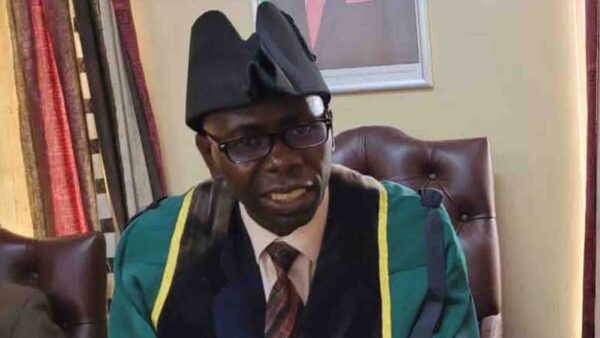
Reverend Father Vusimuzi Ncube said the partnership between the church and the community remained central to sustaining the school’s development.
Chizura died in 1980.