Online Reporter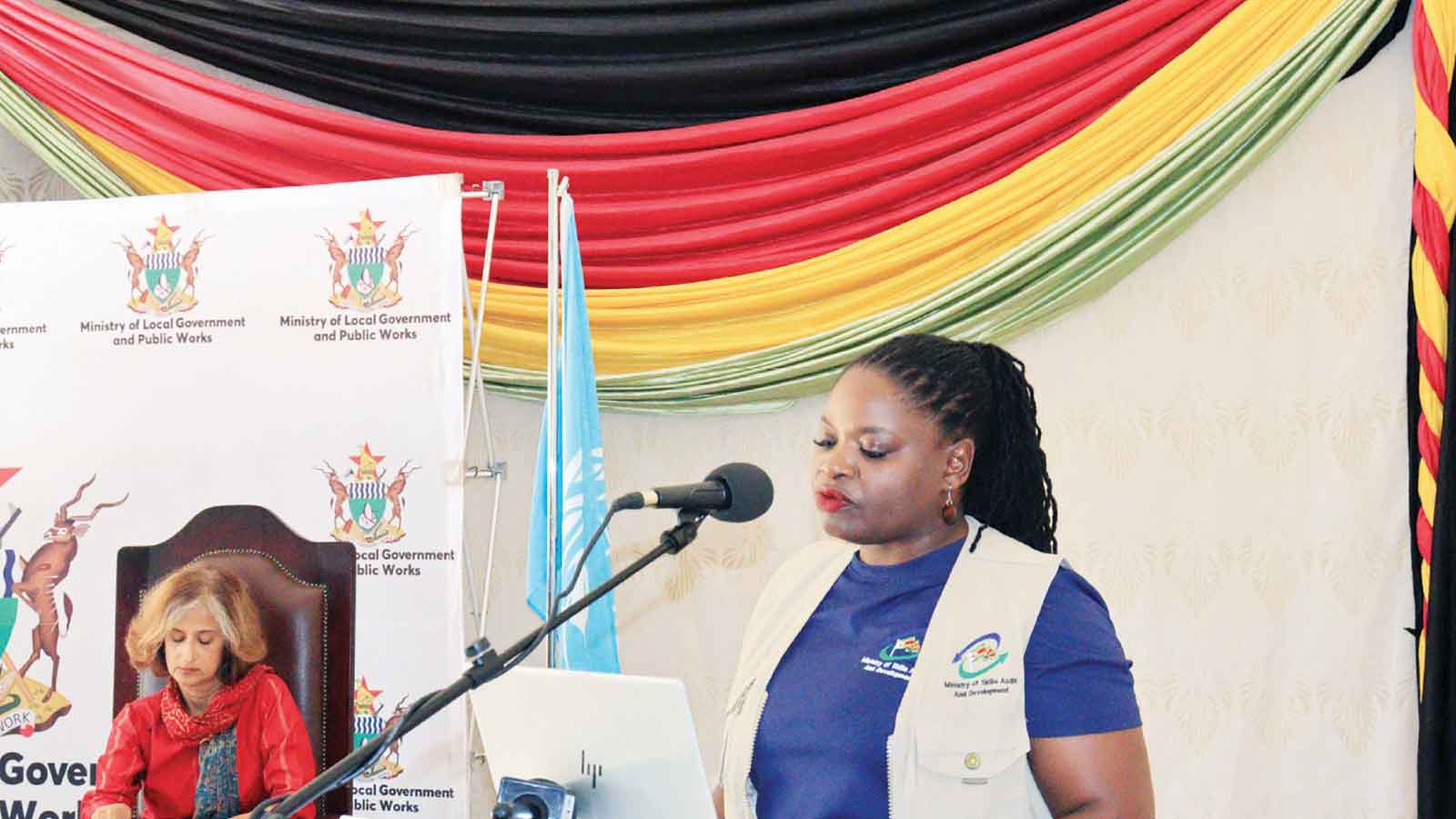
Thupeyo Muleya
Beitbridge Bureau
THE Ministry of Skills Audit and Development has registered 65 000 Zimbabweans who returned from South Africa as part of a national skills audit to guide policy and facilitate their reintegration into the mainstream economy.
The exercise is being conducted at the Beitbridge Reception and Support Centre, which continues to receive returnees daily.
Deputy Director for Skills Gap Ms Lesley Chakundura told the Joint Parliamentary Portfolio Committee on Peace and Security, Defence, Home Affairs and Security Services during a verification visit to Beitbridge on Monday that the data would inform the Zimbabwe Global Skills Partnership Programme (ZGSPP).
“The skills audit is aimed at identifying the talents that returnees bring back home so that we can match them to opportunities,” said Ms Chakundura.
The registration comes as more than 45 000 Zimbabweans have been repatriated from South Africa by the Government, while 130 000 returned independently in recent weeks following unrest linked to xenophobic attacks.
Ms Chakundura said those registered included engineers, pharmacists, teachers and nurses. She noted that many returnees had skills but lacked formal certificates.
“In partnership with the Ministry of Higher and Tertiary Education, we have arranged bridging courses to enable them to obtain certificates and trade tests,” she said.
She said an ongoing course was already running in Bulawayo and would also include locals who require certification. Beneficiaries will receive Class 2 and 3 certificates.
In Insiza, she added, training was underway in biogas digesters and solar installations and repairs.
Ms Chakundura said most of the women returning to Zimbabwe had previously worked as housekeepers or in other low-skilled sectors.
The ministry is working with the Ministry of Women Affairs and other Government departments on empowerment programmes targeting the returnees.
“Our main constraint is resources to help people with start-up capital.
“However, compiling this database will help the Government in comprehensive policy formulation to ensure seamless re-integration of those with special skills,” she said.
The database is expected to enable the Government to provide targeted support in sectors such as agriculture, construction, health and manufacturing, while reducing duplication of training and ensuring that returnees’ skills are effectively used.