Online Reporter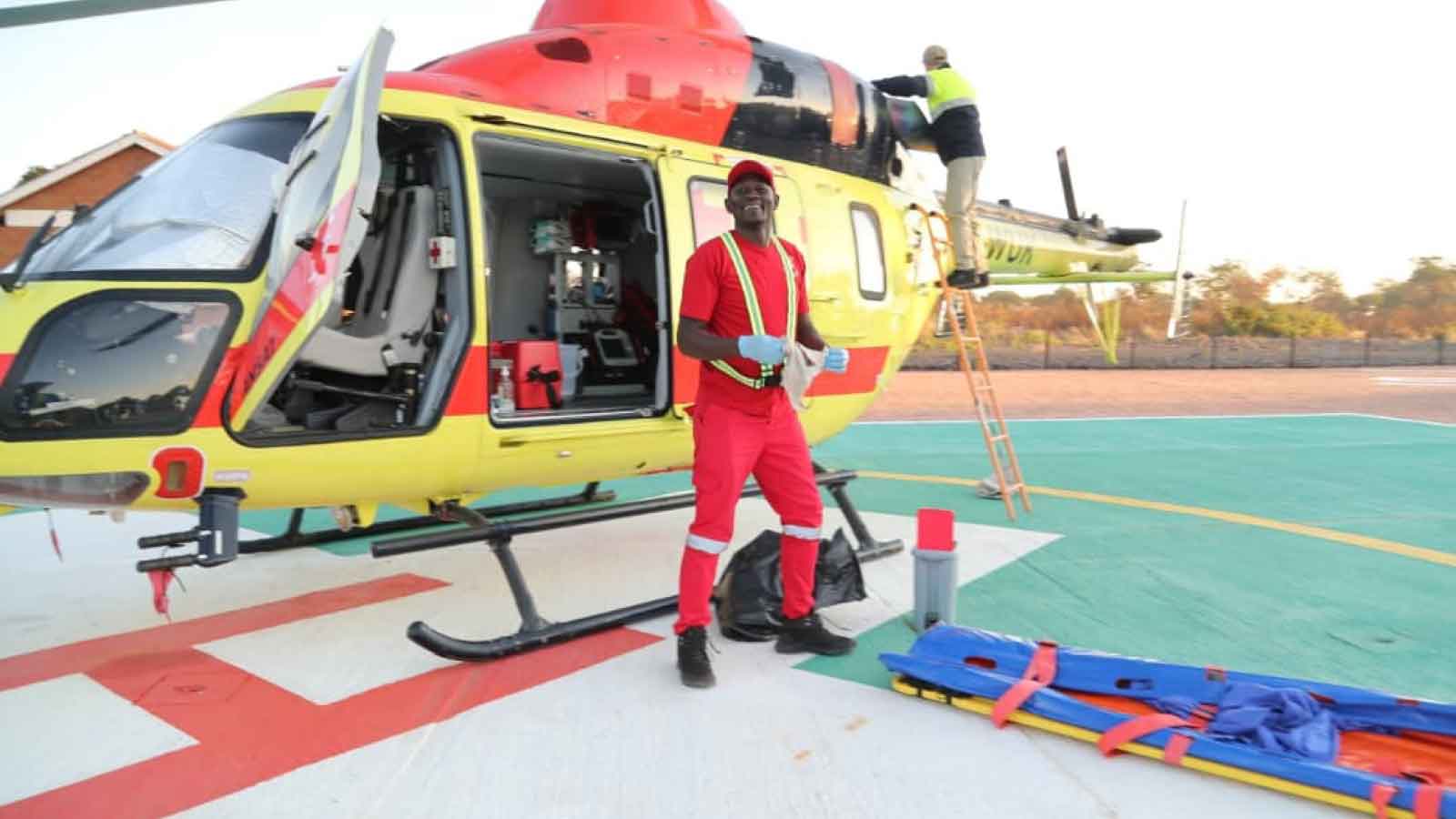
Theseus Mauruki Shambare
FOR 677 patients across Zimbabwe, the journey to life-saving medical care did not begin on a road.
It began in the sky.
Between January 1 and July 15, 2026, the National Air Ambulance Service completed 677 medical flights, transporting critically ill adults, children and neonates requiring urgent specialist care.
The figures represent more than aircraft movements. They tell a broader story about the role of speed, distance and access in determining emergency healthcare outcomes.
As Zimbabwe continues strengthening its healthcare system, aeromedical retrieval has become an important bridge between patients in need of urgent specialist attention and facilities equipped to provide it.
Helidrive chief medical doctor Dr Freddy Mhodiwa said the service remained focused on ensuring that geography does not prevent patients from accessing critical care.
“The National Air Ambulance Service remains committed to providing timely access to emergency medical care for all Zimbabweans, regardless of their location.
Dr Mhodiwa said each mission represented a patient who received a faster chance at definitive treatment and improved clinical outcomes.
The 677 missions were handled through three operational bases, with Bulawayo recording the highest number at 362, followed by Harare with 271 and Victoria Falls with 44.
The distribution of missions provides a glimpse into how geography and access to specialised healthcare are shaping demand for emergency air retrieval services.
When distance becomes a health emergency
For patients living far from specialist centres, distance can become an additional medical challenge.
A condition requiring urgent intervention can become more difficult when a patient must travel hundreds of kilometres before receiving appropriate care.
Air ambulance services help reduce this gap by moving critically ill patients faster than conventional transport, particularly when time is a decisive factor.
Dr Mhodiwa said strengthening the National Air Ambulance Service was about expanding access, improving response times and ensuring that no Zimbabwean is denied critical care because of where they live.
The growing demand for aeromedical retrieval reflects the reality that specialist healthcare remains concentrated in key centres, making referral systems a critical part of emergency response.
The hidden story in the numbers: children needing urgent transfers
While the service attends patients across all age groups, the figures reveal a striking pattern — children and neonates account for a significant proportion of medical flights.
Across all three bases, adults aged above 13 accounted for 357 missions.
Children aged between one and 12 years accounted for 219 missions, while babies below one year accounted for 101.
Combined, children and neonates accounted for 320 missions, representing nearly half of all air ambulance transfers during the period under review.
The trend was particularly pronounced at the Bulawayo base.
Of the 362 missions handled from Bulawayo, 239 involved children and infants.
The base recorded 200 flights involving children aged between one and 12 years and 39 involving babies below one year, compared to 123 adult cases.
The figures highlight the importance of rapid access to specialised paediatric and neonatal care, particularly for patients who may require services not available in their immediate communities.
They also raise broader questions about the distribution of specialist healthcare services and the role of referral networks in supporting vulnerable patients.
Beyond the aircraft: A complex emergency system
A medical flight is not simply a patient transfer. Behind every mission is a coordinated system involving doctors, nurses, pilots, dispatch teams and healthcare facilities working together to ensure patients are stabilised and moved safely.
Dr Mhodiwa said the success of the service depended on the dedication of flight crews, medical personnel, pilots and support staff operating under challenging conditions.
“These figures demonstrate the growing demand for aeromedical retrieval services and reflect the dedication of our flight crews, medical personnel, pilots, and support staff who continue to operate safely and professionally under challenging conditions,” he said.
Each mission requires coordination between the referring facility, the receiving hospital and the air ambulance team to ensure that the patient receives continuous medical support throughout the journey.
For emergency healthcare providers, the value of such a system lies in reducing delays between the onset of a critical condition and access to specialised treatment.
The geography of survival
The concentration of missions at Bulawayo and Harare highlights the continued importance of referral networks in Zimbabwe’s healthcare system.
While Victoria Falls recorded fewer missions at 44, the presence of multiple operational bases demonstrates efforts to expand access to emergency retrieval services across different regions.
However, health experts say long-term improvements require more than emergency transfers.
Strengthening district hospitals, expanding specialist services outside major cities and improving first-response systems remain essential in reducing the need for long-distance emergency referrals.
Air ambulances provide a critical safety net, but the broader goal remains ensuring that communities have stronger healthcare capacity closer to where people live.
Building the next phase of emergency care
The National Air Ambulance Service is becoming an increasingly important component of Zimbabwe’s emergency healthcare response.
The 677 missions completed in just over six months show growing demand for rapid medical transfers and the need for continued investment in emergency care systems.
Dr Mhodiwa said the service would continue working with Government, the Ministry of Health and Child Care, healthcare partners and the public to strengthen access to emergency medical services.
For the hundreds of patients transported during the period, the flights represented more than distance covered. They represented time gained.
But the numbers also reveal a deeper reality — that for many Zimbabweans, geography remains one of the biggest barriers between a medical emergency and life-saving treatment.
As the country strengthens its healthcare system, the challenge will be ensuring that the sky remains a bridge to care while improving the ground systems that determine when and why patients need that bridge.