Obey Musiwa
Herald Reporter
THE Spina Bifida and Hydrocephalus Association of Zimbabwe has provided more than 1 000 hydrocephalus shunts free of charge to children in public hospitals over the past four to five years.
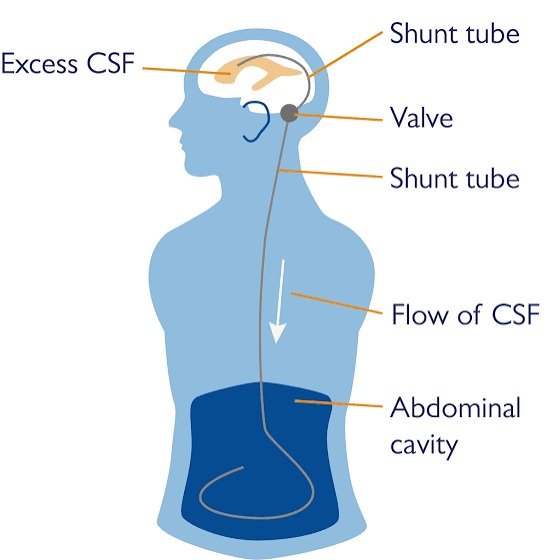
A hydrocephalus shunt is a surgically implanted tube and valve system that drains excess cerebrospinal fluid (CSF) from the brain or spine to another part of the body to relieve pressure.
Each shunt costs between US$150 and US$250, making the initiative a significant intervention for families who struggle to afford the devices.
The milestone was announced on the sidelines of the association’s inaugural fundraising and awareness run held in Harare on Sunday.
The event attracted about 170 participants who competed in the 5km, 10km and 21km races, as well as a wheelchair category.
Working with the Ministry of Health and Child Care and Child Health International, the association has been supplying the shunts to remove a major barrier to treatment, as many families cannot afford the devices even when surgical services are available.
Neurosurgeon Dr Sharon Soko said spina bifida and hydrocephalus were serious but treatable conditions, with better outcomes when surgery is performed early.
“Spina bifida is a condition where the spine does not close properly while the baby is developing, and hydrocephalus is a build-up of fluid in the brain, and both need medical attention,” she said.
“The earlier a child is operated on, the better the outcome. That is why we urge families to seek care as soon as the condition is noticed.”
Dr Soko urged women to take preventive steps before and during early pregnancy, and called on communities to see these as medical conditions.
“Taking folic acid before conception and in the early weeks of pregnancy can significantly reduce the risk of spina bifida.
“These are medical conditions, not a curse and a child who is identified early and referred quickly has a real chance at a full life.”
SHAZ programmes manager Mr Freeblessing Murahwa said the shunt count marks a turning point for early surgery.
“We have distributed over a thousand shunts to children who need hydrocephalus shunts,” said Mr Murahwa.
He emphasised that surgery works best within the first month, or at most the first three months, of life.
He said the association’s support network has grown to a sizeable size.
“We have a group of about 250 mothers, who are now interacting amongst themselves, sharing their experiences and supporting one another,” he said.
“The association now runs monthly mini camps in hospitals to bring mothers in for early operations.”
SHAZ board member Tapiwa, who was born with both conditions, said his survival is itself a statistic worth noting despite doctors giving him a very short life expectancy.
“When I was born my parents were told if he lives for three weeks but look right now I’m over 40 and I’m still kicking,” he said.
He urged those living with the conditions not to limit themselves.
“Spina Bifida and Hydrocephalus should not limit you from being or doing whatever you want to with your life,” he said.