Online Reporter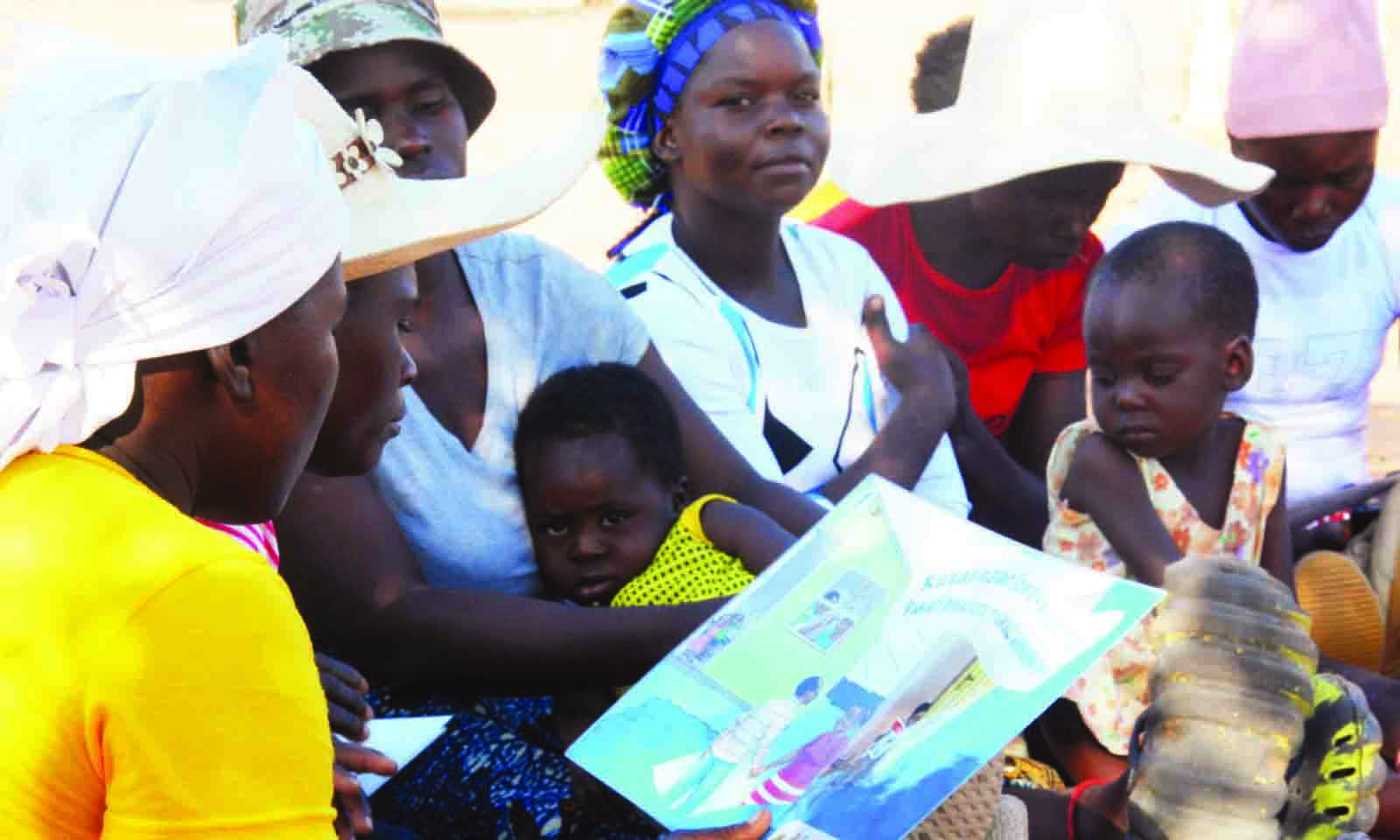
Fungai Lupande
Mashonaland Central Bureau
Mbire District in Zimbabwe and Chitete in Mozambique are more than neighbouring communities, they are bound by bloodlines, shared history and a common vision for the future.
Their connection, forged through pre-colonial kinship and strengthened during the liberation struggle, remains vibrant more than 50 years after Mozambique gained independence.
On June 25, as Mozambique marked its golden jubilee from Portuguese rule, the celebrations spilled over the border into Mbire.
Chitete, once a critical route for Zimbabwean freedom fighters en route to training camps in Chimoio, was once again a focal point, this time not for struggle, but jubilation.
While the official celebrations were held at Machava Stadium in Maputo, the spirit of the occasion was felt throughout Mozambican districts and across the border into Zimbabwe.
In Mbire, villages like Mahuhwe, Mushumbi and Chikafa came alive with the energy of celebration.
When this news crew visited the area a fortnight ago, the air was electric.
For three days, communities observed “festa”, a Portuguese term for festival, with dance, music and cross-border reunions.
Villagers dressed in colourful attire gathered at growth points, preparing to make the journey into Chitete to reconnect with family, honour their shared heritage and partake in the festivities.
Yet amid the joy, a quiet but impactful gathering unfolded under a tree in Chikafa.
Organised by the National AIDS Council (NAC) and Katswe Sistahood under the SASA! Programme (Start Awareness, Support Action), this community session addressed pressing social issues often exacerbated during celebrations: gender-based violence (GBV), child marriages and vulnerability to HIV.
Using placards and posters to initiate dialogue, facilitators encouraged participants to reflect on harmful gender norms and promote safer behaviour, especially during large gatherings where risky encounters are more likely.
Tendai Mutematsaka (22), one of many young people drawn to both the celebrations and the community education sessions, shared her perspective.
“By 8pm, I will be heading to Chitete,” she said with a smile.
“We are going to dance, perform dramas and enjoy time with our relatives.”
But Tendai also understood the risks associated with the festa.
“Sometimes men want to pursue sexual relationships. I always carry protection, just in case,” she added, an awareness shaped by ongoing peer education and SASA! activities.
Her uncle, Samson Mutematsaka, a local transport rank marshal, reflected on how the programme has changed perceptions.
“In the past, the festa would lead to domestic issues. Men came back drunk or having cheated, which sparked violence. Now, we talk openly about respect and safe sex,” he said.
For some, the weekend marked a different kind of milestone.
Charles Mutematsaka (38), who lives with a disability, was preparing to pay lobola (bride price) for his partner.
A regular at SASA! sessions, Charles said the programme had restored his sense of inclusion and dignity.
“I am grateful that my community sees me. I have learned how to build a respectful and peaceful household. I feel supported and empowered,” he said.
NAC District AIDS Coordinator, Mr Cloudious Musandaira, highlighted the public health implications of such events.
“Our biggest concern is the potential rise in HIV and other STIs. Often, demand for condoms exceeds supply. We need better assessments and preparedness for these peak times,” he said.
Nevertheless, progress is being made through cross-border healthcare collaboration.
“We have Community ART (antiretroviral therapy) Refill Groups and Community Adolescent Treatment Supporters (CATS) in both Mbire and Chitete,” Mr Musandaira added.
“These districts are deeply connected. Our job is to keep that connection healthy.”
The bond between the two communities, however, goes far beyond health.
Mbire district development coordinator, Mr Richard Maruta, underscored the historical and cultural depth of their relationship.
“We share marriages, gravesites and struggles. On our Independence Day, Mozambique and Zambia sent delegations. Now it’s our turn,” he said.
He added that Mbire, Chitete and nearby areas in Zambia are united under the ZIMOZA initiative, a trilateral framework promoting cross-border cooperation in development, culture and governance.
“We even share hospitals. During the cholera outbreak, Mozambicans received care in Zimbabwe, and Zimbabweans also accessed services in Mozambique,” he said.
He also pointed to shared regional challenges such as human-wildlife conflict and climate change impacts, which further reinforce the need for cooperation.
As the sun set over Chikafa, people dispersed, some heading toward the festa, others tending to family duties.
Yet all remained connected by a powerful borderland identity, an identity not defined by geography or politics, but by a shared past and a collaborative future.


 Bongani Ndlovu