Online Reporter
Andrew Mangwarara
AS the authorities continue to educate the nation about early detection and treatment of cancer, it is important to recognise the vital role nutrition plays in combating and preventing this life-threatening disease.
Our gardens hold the key to health and vitality.
Let us explore the plants we should grow — and how to care for them — for a brighter, healthier future.
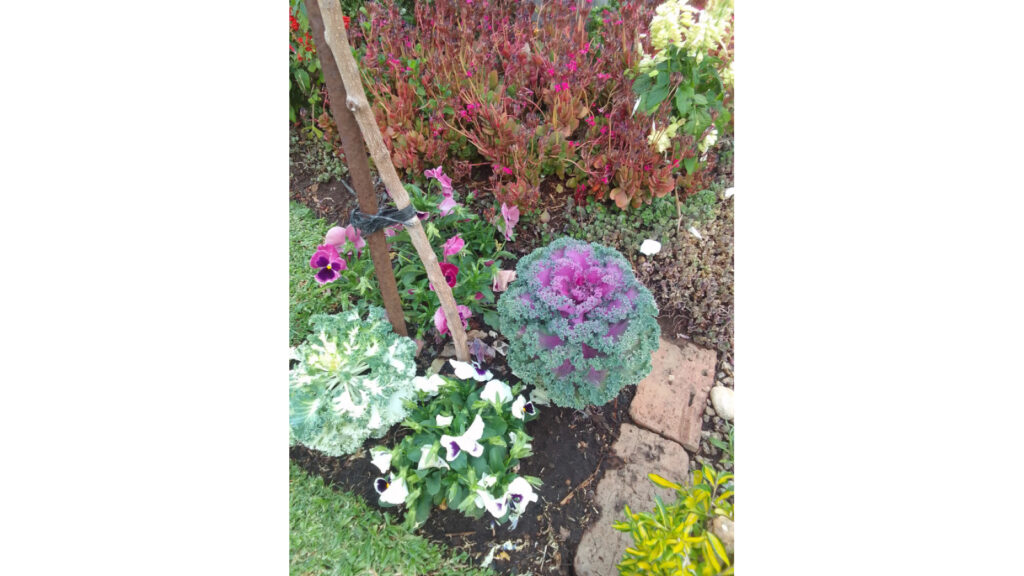
The first group of plants to consider are cruciferous vegetables such as kale, cabbage, broccoli and cauliflower.
To grow these successfully, use natural organic matter like cow dung or chicken waste.
Water them sparingly and ensure they receive full sunlight.
Another important family is the allium group, which includes onions and garlic.
These contain a compound called allicin, known to reduce the risk of colon, breast and stomach cancers.
Onions should be grown in soil enriched with well-rotted manure, rather than fresh manure.
Lycopene, a powerful antioxidant, is found in one of the oldest cultivated vegetables — the tomato.
Tomatoes are beneficial in reducing the risk of prostate cancer.
They are relatively easy to grow in full sun and thrive in rich, well-manured soil.
However, they are susceptible to nematode attacks, so crop rotation is recommended.
Carrots are another essential crop, rich in beta-carotene, which helps strengthen the immune system. For better germination, cover carrot seeds with river sand.
They grow best in deep soil with well-rotted manure.
Leafy creepers like spinach and Swiss chard are excellent sources of vitamins A and C.
Sow spinach from seed and thin out the seedlings to prevent bolting.
Avoid over-fertilising with inorganic fertilisers to ensure flavourful, healthy leaves.
Berries such as blueberries, raspberries and blackberries are rich in flavonoids, which help protect against cancer.
Blueberries, in particular, require acidic soil with a pH of between 4.0 and 5.5. Use sulphur to lower the pH if necessary.
Many herbs also contribute to cancer prevention, including ginger, parsley, basil, mint, thyme and rosemary.
These herbs are relatively easy to grow in pots or garden beds.
Most thrive from seed or cuttings and respond well to well-rotted compost.
It is important to note, however, that no single plant can cure or prevent cancer.
It is the combination of various plants and nutrients that ultimately benefits the body. In this journey towards better health, variety truly is the spice of life.
If you would like to be featured in our green-up campaign, contact us on: [email protected]