Online Reporter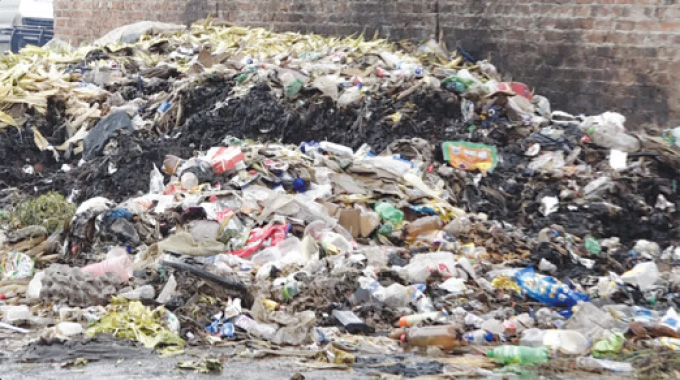
Dr Ronald Chipaike
ENVIRONMENTAL management matters usually fall under the human security doctrine first espoused in the United Nations Human Development Report of 1994. From a human rights perspective, the right to a clean environment is classified as a third-generation right. From a realist political standpoint, environmental issues are often relegated to the realm of low politics. However, in the current era, environmental concerns have become increasingly topical, featuring prominently in policy discussions and global forums.
While international diplomacy has focused on critical issues such as climate change, wetlands, and forestry, the rate of environmental degradation in much of the developing world remains alarming. Zimbabwe is no exception.
This short submission is based on the concept of environmental stewardship. Environmental stewardship refers to the responsible use and protection of the natural environment through conservation and sustainable practices. It involves a multiplicity of actors — individuals, organisations, and governments — working to conserve resources and minimise negative impacts on ecosystems for the benefit of current and future generations.
Although Zimbabwe’s 2013 Constitution explicitly guarantees the right to a clean and healthy environment, the country is grappling with numerous environmental challenges, including destroyed river systems, land degradation, and widespread littering.
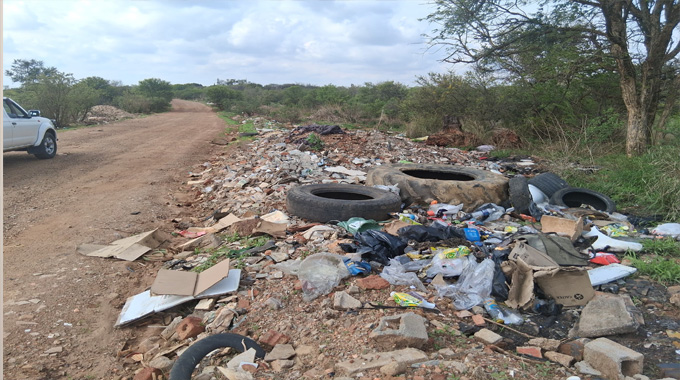
Zimbabwe’s environmental stewardship systems have shown weaknesses in several areas. In urban centres, plastic and other waste are strewn across streets, alleys, and open spaces. City and town councils have struggled to manage this problem effectively. Recently, Harare Provincial Affairs and Devolution Minister Charles Tawengwa convened an urgent meeting with officials from Harare, Chitungwiza, and Ruwa to address the littering menace — a situation reflective of most urban areas in Zimbabwe.
Piles of rubbish characterise areas where economic activity takes place. A particularly disturbing example is the improper disposal of baby diapers, visible along roadsides, shopping centres, and even near homes. This poses serious health hazards, including cholera and diarrhoeal outbreaks, especially during the rainy season. Beyond health risks, rubbish clogs drainage systems, causing flooding. These challenges highlight inadequate or poorly enforced regulations.
Urban centres continue to grow due to rural-to-urban migration and population increases. However, the capacity of local authorities to collect waste has not kept pace. Consequently, residents dump waste in open spaces or resort to burning it, releasing toxic fumes that cause respiratory problems. Every rainy season, communities face diarrhoeal outbreaks. Compounding this issue is the mushrooming of shopping centres without public toilets, resulting in foul smells from human waste and increasing the risk of disease outbreaks.
Acknowledging the urgency of waste management, President Mnangagwa launched the national clean-up campaign in 2018, encouraging Zimbabweans to clean their environment every first Friday of the month. While some organisations continue these efforts, the impact has been minimal, revealing deeper structural challenges.
To address waste management effectively, deliberate policy measures must be adopted and enforced. A practical starting point is allocating significant portions of devolution funds to waste management — procurement of refuse collection trucks, bins, and related equipment. These trucks and bins could be locally manufactured, with government negotiating with vehicle assembly firms such as Quest Motors and engaging SMEs to fabricate metal bins for bulk waste disposal. Devolution funds could also be used to build simple ablution facilities at new shopping centres, where informal traders currently lack sanitation. It is counterproductive to prioritise luxury vehicles and hefty perks for local authority officials while communities live in squalor.
Another strategy is providing seed funding for young entrepreneurs to establish small plastic recycling plants in cities and towns. Government could reduce import costs for equipment required to set up these plants, thereby curbing plastic pollution while creating employment. While large-scale projects like Geo Pomona are capital-intensive, smaller recycling sites are feasible and would significantly reduce waste in communities.
Zimbabwe’s prolonged economic hardships have eroded the public’s sense of environmental stewardship, with economic survival taking precedence over environmental management. Yet, if the environment is neglected, it will inevitably “fight back” in dangerous ways. It is therefore critical and urgent to seek solutions to the harm being inflicted on the environment before the situation spirals out of control.
Dr Ronald Chipaike is a Researcher at Bindura University of Science Education.