


 malvernmugadzikwa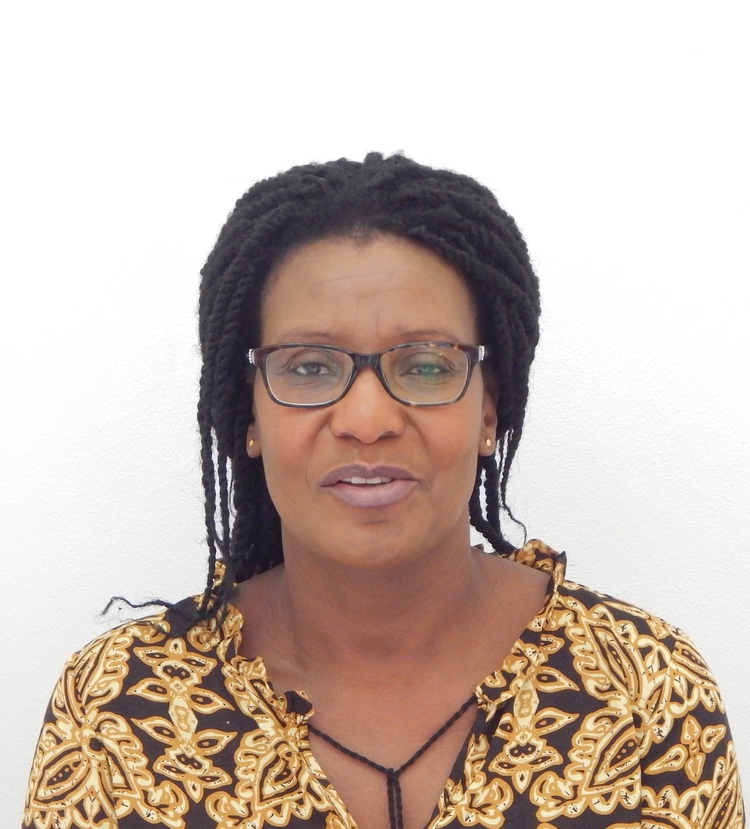
Disability Issues
Dr Christine Peta
DEMENTIA is a broad term encompassing a range of cognitive impairments that affect memory, thinking and social abilities.
It arises from damage to or loss of nerve cells and their connections within the brain, impacting individuals in various ways.
The World Health Organisation (WHO) affirms that dementia stems from a variety of diseases and injuries that affect the brain. Alzheimer’s disease is the most prevalent cause of dementia, contributing to approximately 60 percent to 70 percent of cases.
WHO further states that dementia is currently the seventh leading cause of death globally and a significant contributor to disability and dependency among older populations.
The risk increases with age, particularly for individuals above 65, although it can also manifest in younger people. WHO asserts that young-onset dementia (defined as the onset of symptoms before the age of 65) accounts for up to 9 percent of cases.
Individuals with a family history of this disease are often at increased risk of developing the condition. However, tests can identify specific genetic changes that may elevate one’s risk.
Many people with Down syndrome frequently develop Alzheimer’s disease, a cause of dementia, by middle age.
The symptoms vary depending on the affected brain area. Common symptoms include memory loss, confusion, difficulty with familiar tasks, mood or behaviour changes, communication problems, visual and spatial challenges (like getting lost) and impaired reasoning or problem-solving.
Additional symptoms may include poor coordination, disorientation, depression, anxiety, agitation, personality changes, paranoia and hallucinations.
To reduce the risk of dementia, maintaining a healthy lifestyle is crucial.
A diet rich in fish, fruits, vegetables, whole grains, nuts and seeds is beneficial. Regular exercise and social engagement are also important. Limiting alcohol consumption and avoiding smoking are strongly recommended.
Obesity, diabetes, high blood pressure, untreated hearing or vision loss, depression and air pollution (especially from traffic and wood burning) can increase the risk of dementia.
Individuals with sleep apnea and other sleep disturbances, as well as those with low levels of vitamins D, B-6, B-12 and folate, may be at a higher risk of developing dementia. Excessive use of sedatives and sleeping pills can also contribute to this risk.
Dementia can lead to poor nutrition, as many affected individuals may reduce their food intake or stop eating altogether.
Some may struggle with chewing or swallowing, increasing the risk of choking.
Food or liquids entering the lungs can block breathing and cause pneumonia.
As the disease progresses, individuals may require assistance with daily activities such as bathing, dressing, brushing teeth, using the toilet, taking medication, driving, cooking, walking and independent living.
In advanced stages, coma and death can occur. While there is no specific prevention of it, keeping the mind active through activities like reading and maintaining social and physical activity may be beneficial.
Quitting smoking and increasing vitamin D levels through diet, supplements and sun exposure may also help.
Further research is needed to determine if treating high blood pressure can reduce the risk of dementia.
Treating depression, anxiety and ensuring good sleep quality may also be helpful. Early treatment of hearing loss with hearing aids and regular eye examinations to address vision loss are also important.
If you or a loved one experiences memory problems or other symptoms, consult a healthcare professional.
Identifying the underlying cause is crucial, as some conditions that cause dementia-like symptoms may be treatable.
Dr Christine Peta is a disability, public health, policy, international development and research expert. She is the national director of disability affairs in Zimbabwe. She can be contacted on: developafrica2020 @gmail.com



 Online Reporter