

 admin
adminBecause of her disability, she cannot speak and her only way of communication is to hit her face with fists. Caregivers have to guess what she wants and she continues hitting herself harder if they do not respond quickly.
If her hands are tied, she uses her shoulders to hit her ears which now cannot hear because of severe injuries. Sometimes she uses her knees to hit her forehead if she cannot use both hands and shoulders. She only stops hitting herself when she sees and feels blood trickling down her face.
As a result her face is always swollen and bruised.
Ten-year-old Brian (not real name) was also born with autism and is hyperactive.
His leg is always tied to a rope on the window pane to stall him from running around disturbing other children with similar conditions.
If left untied, he touches everything and everyone, including pulling other disabled children in this room in no time.
He also hits himself hard and only stops when he sees blood coming out of the part he would have hit.
Another child, Mary (not real name) fell off a high building through window when she was a few months old and sustained serious head injuries which resulted in her being diagnosed with autism.
She has varying characters and can spend the whole day singing.
Whenever she sings, other children join in.
She can also spend the morning and afternoon crying or just screaming. What she does that day depends on which side of the bed she woke on.
Other children with various disabilities just spend their day lying on the floor and watching time pass by.
Those who can sit watch cartoons on television while others draw, paint and read.
Sometimes they spend the day doing some sporting activities but their levels of disability determine if they can take part.
Three-quarters of the children wait to be fed, be taken to the toilet, and need someone to flip them to another side when sleeping.
The person who does all this work has to guess as most to do not speak.
They have never been to a proper school as most in Bulawayo do not have facilities to cater for children with severe disabilities.
Their parents are poor and cannot afford to pay fees at institutions like King George VI.
Some even cannot afford the US$100 per term required by this institution.
These are a few of the 100 children with severe disability celebral palsy and autism being taken care at Monica Brewer Day Centre opposite Bulawayo’s Mpilo Hospital.
Autism is a mental condition, present in childhood charactirised by great difficulty in communicating and forming relationships, and in using language and abstract concepts.
It is also a mental condition in which fantasy dominates over reality as a symptom of schizophrenia and other disorders.
Cerebral palsy is a term which encompasses a set of neurological conditions that cause physical disability in human development affecting the brain and nervous system.
It is a result of injury to the brain before or shortly after birth.
The centre was established by mothers with children with severe disabilities after noticing that they could not go to work and earn a living if they concentrate with their children who required maximum attention at all times.
At the centre, where the children spend their daytime, parents rotate to look after the children.
Theirs is no easy job as they have to often change pampers use gallons of water for bathing as the children easily soil themselves.
And life is tough when water is regularly cut off for non-payment by the Bulawayo City Council.
They have also had electricity cut off on several occasions making their life a living hell.
The United Nations Children’s Fund has been assisting the centre with material, financial and technical support to better the lives of such children but the money is never enough.
Disabled children like Tichaona who are no longer in school spend their time beading.
He cannot walk and beads one necklace per day he sells for US$10 if he is lucky. Sometimes he supplies to the necklaces to Jairos Jiri Shop in Bulawayo’s CBD.
“I sit here all the time. I cannot go anywhere because I am paralysised and have a big hole which is not healing on my back. It is disheartening to see other children my age do things I cannot do. I have no choice but accept what God has made me. I have friends who come to visit me,” says Tichaona.
He has a wish list and one of them is to benefit from the Government indigenisation drive so that he can grow his beading business.
He has heard people talk about it but does not know what to do to apply for the funds. He also doubts if he qualifies because of his disability and poverty.
In Masvingo, Grace (13) (not real name) of Mutoredzanwa Village has polio and has been fortunate to attend school.
Her challenge is having proper sanitation facilities as they do not have a toilet at their home.
Her father died in 2002 and she lives with her mother.
With the little money she gets from selling wares to other villagers, her mother has managed to have a toilet dug and bought bricks.
It is not yet completed and Grace defecates in the open. Now that she is a teen, Grace now feels embarrassed to do that and puts all her effort in finding a bush to hide behind and protect her dignity.
But, sometimes her legs let her down and she soils herself on the way to nearby bushes as she cannot properly walk. She has been integrated at the nearby primary school where she is in Grade Seven and walks to school with other children.
After school, she helps with household chores like cleaning, washing plates and clothes.
Her mother cannot also afford to buy her surgical boots and she goes to schools wearing slippers.
Her mother wants to see her educated and already purchased her uniform in preparation for secondary education. These are just a few trials and tribulations in the day of a disabled Zimbabwean child.
Tomorrow, Zimbabwe joins the world in commemorating the Day of the African Child whose theme is: “The Rrights of Children with Disabilities, the Duty to Protect, Respect, Promote and Fulfil.”
The Day of the African Child marks the anniversary of the Soweto Uprising in 1976.
On June 16, thousands of black South African students joined in a protest against the education policies of the apartheid regime. Police responded with force killing at least 200 children who participated in the protest.
Since 1991, June 16 has been an occasion to honour the courage of the children who participated in the protests, and to advocate for further action to address the physical and educational needs of children in Africa.


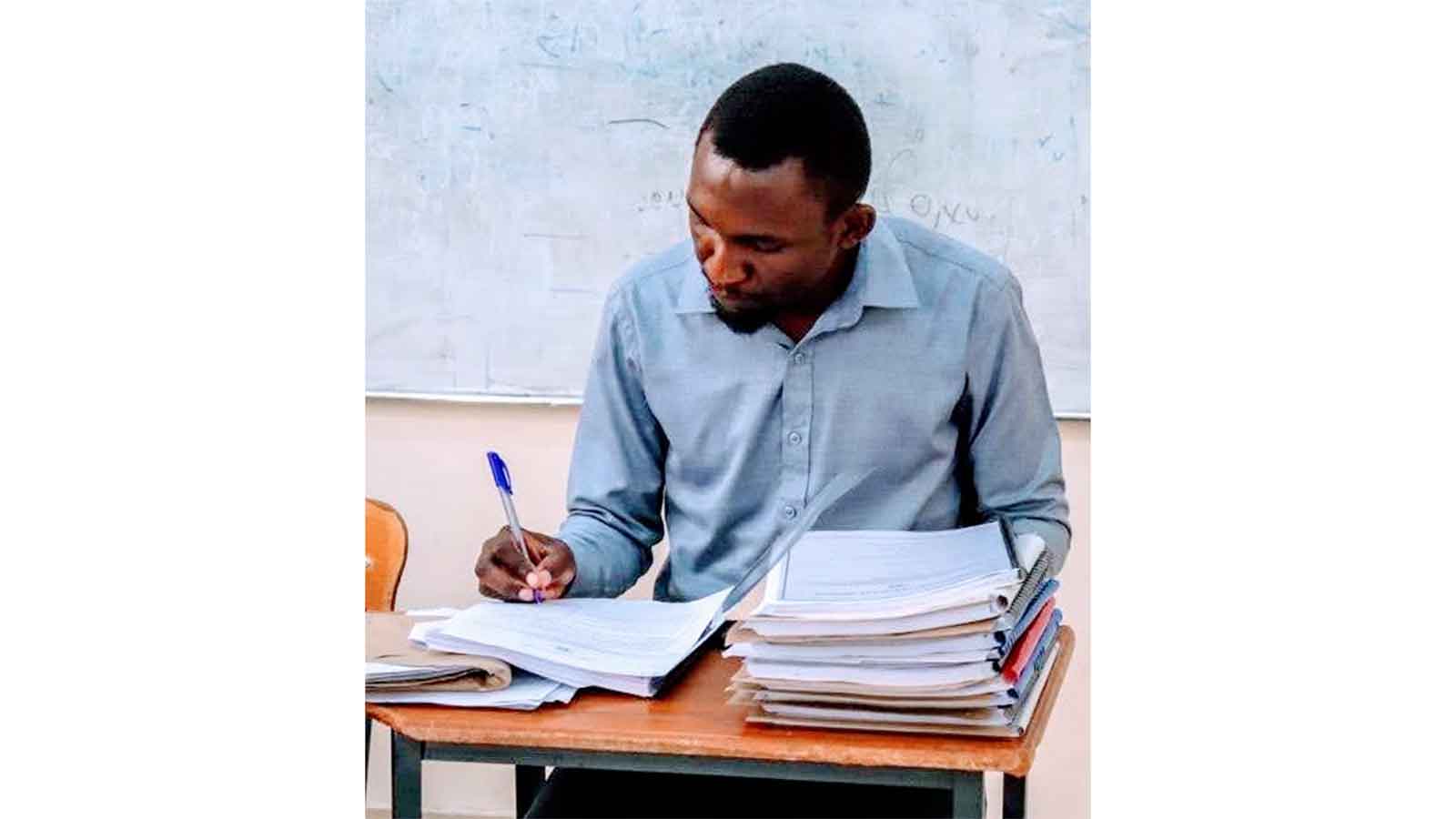
 Peter Tanyanyiwa
 Online Reporter