Ivan Zhakata
Check Point Desk
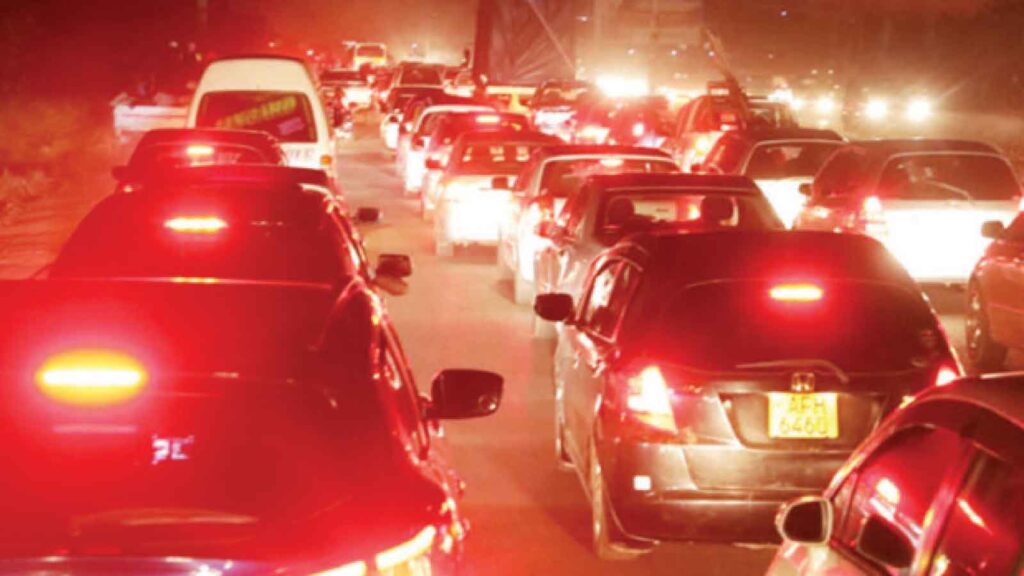
MOTORISTS, especially those who drive at night, face the predicament of obeying traffic laws and risking possible attacks by thieves or disregarding regulations and getting fined or being involved in an accident.
Apparently smash-and-grab syndicates that have been targeting drivers at busy intersections in Harare have become more daring.
“I was attacked at a traffic light-controlled intersection while waiting for the signal to proceed,” said Taurai Muropa.
“Since then, I have vowed never to stop at any intersection at night. The challenge, however, is that we are now in a dilemma. If you run a red light, cameras will capture the violation, and you will be in trouble with the authorities.”
For most motorists, the challenge is balancing observance of traffic laws with avoiding criminals at known hotspots.
The authorities are currently installing artificial intelligence (AI)-powered traffic cameras at key intersections in Harare.
This initiative is part of a broader move to modernise traffic law enforcement through a technology-driven surveillance system designed to improve road safety and curb violations.
The Smart Traffic Management System, spearheaded by the Zimbabwe Republic Police, has already seen the installation of smart poles at identified sites, while work on mounting traffic cameras and related infrastructure is nearing completion.
Reports indicate that 95 percent of the targeted intersections have been connected to fibre internet, with only four sites outstanding.
Work is underway at the intersections of Leopold Takawira Street and Herbert Chitepo Avenue, Robert Mugabe Road and Abdel Gamal Nasser Road, as well as Cripps Road and Remembrance Drive. Work is also going on along Liberation Legacy Road.
Cameras have already been installed at the corner of Jason Moyo Avenue and Simon Muzenda Street, while ongoing work is focused on the intersection of Samora Machel Avenue and Glenara Avenue.
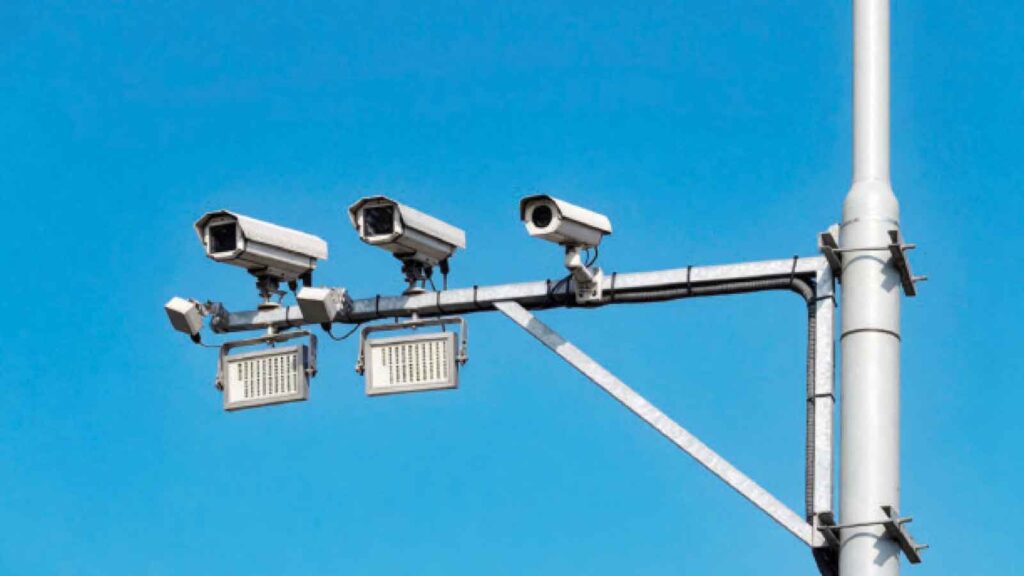
The overall plan is a full rollout of the camera system across city roads.
“We appreciate this development as it brings sanity to the roads. However, it unfortunately seems like the camera system is working more to the advantage of criminals. They rarely attack a vehicle in motion. You only become a target when you stop at these hotspots,” said Grace Muchemwa of Mufakose.
The Zimbabwe Republic Police has previously warned motorists to be cautious when approaching traffic lights and poorly lit areas.
In an interview last week, Harare provincial police spokesperson Inspector Luckmore Chakanza acknowledged growing concerns among motorists over smash-and-grab incidents at intersections where traffic cameras have been installed to monitor violations.
He, however, emphasised that while some motorists feared stopping at red lights in known crime hotspots, they were still expected to comply with traffic laws.
“We are aware of the concerns being raised by motorists regarding smash-and-grab incidents at some intersections, particularly where traffic cameras have been installed,” said Insp Chakanza.
“However, motorists are still required to obey traffic regulations and should not jump red lights, as this endangers other road users and pedestrians.”
He also indicated that the installation of cameras was meant to improve road safety and enforce traffic laws, not expose motorists to criminal activity.
“The cameras are part of broader measures to promote road discipline and enhance public safety. At the same time, police have intensified patrols and deployments in areas identified as crime hotspots.”
Police, he added, were continuing to investigate reported cases and urged the public not to lose confidence in law enforcement.
“It is not correct to suggest that police are not taking action. Arrests have been made in some cases and investigations are ongoing. We encourage motorists and victims to continue reporting these incidents because such reports help police deploy effectively and track criminal syndicates,” he said.
Hotspots
Some of the hotspots that have been identified are traffic lights in Chisipite, along Liberation Legacy Way (formerly Borrowdale Road), and those in the central business district (CBD), as well as intersections along Harare Drive, including the junction on Solomon Mujuru Road (formerly Kirkman Road).
The criminals, who often operate in small groups, strike when vehicles slow down or stop at traffic lights, catching unsuspecting motorists off-guard.
Several victims said the attacks happen so quickly that there is little chance to react.
Rutendo Chikore, a marketing executive, said she was recently attacked at traffic lights along Liberation Legacy Way near Chisipite.
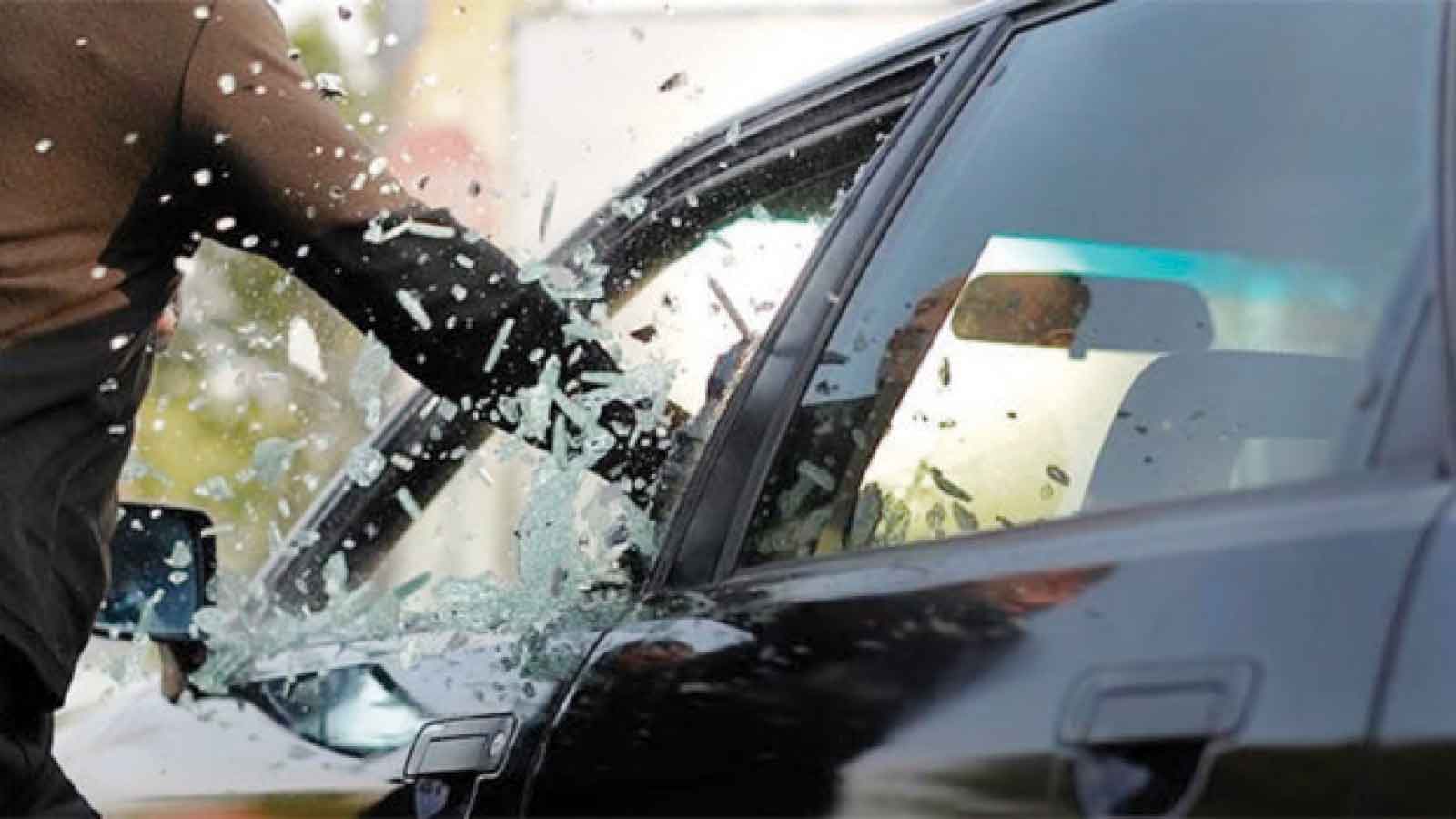
“I was slowing down at the lights when two men suddenly appeared from the roadside. One smashed the passenger window with what looked like a metal object and the other grabbed my handbag. It all happened within seconds,” she said.
Her handbag contained a mobile phone, bank cards and cash.
“I was shocked. Before I could even hoot for help, they had already disappeared.”
Another victim, Brian Moyo, said he was targeted at traffic lights near Abdel Gamal Nasser Road (formerly Rotten Row) in the CBD while driving home from work.
“I had placed my laptop bag on the passenger seat. As soon as the lights turned red, someone smashed the window and grabbed the bag. By the time I realised what had happened, they had already vanished into the darkness.”
Tariro Dube, a nurse who works night shifts, said she was attacked at a traffic light-controlled intersection along Solomon Mujuru Road late one evening.
“I had just knocked off and was driving home when I stopped at the lights. Suddenly, someone hit the window and another person reached in and grabbed my phone from the dashboard.”
She said the experience left her shaken.
Another motorist, Blessing Chiwenga, said he narrowly escaped losing valuables along Harare Drive after noticing suspicious movements near the roadside.
“I saw a group of young men approaching vehicles at the lights. When they got closer to my car, one of them lifted a stone as if he wanted to smash the window. I quickly accelerated when the lights changed. If the lights had delayed for a few more seconds, they would probably have smashed my window.”
Criminals are increasingly targeting areas with poor lighting and easy escape routes.
Private security consultant Tendai Muchengeti said the criminals often operate as organised syndicates.
“They normally work in groups of three or four. One person identifies the target, another breaks the window and others grab valuables before fleeing.”
He added that the gangs usually target vehicles where valuables such as laptops, handbags or mobile phones are visible.
“These criminals study traffic patterns and know exactly where vehicles will stop,” he said.
Triggers
Security experts warn that one of the biggest mistakes motorists make is opening the boot of a car in public and placing valuables inside while being watched.
Criminals often monitor unsuspecting drivers, identify vehicles containing valuables and follow them until the “perfect” opportunity arises. In many cases, thieves quickly break a window, gain access to the vehicle, open the boot from inside and steal valuables.
Experts advise motorists to reduce risk by keeping doors locked, windows closed and valuables hidden while driving.
A recent incident widely circulated on WhatsApp allegedly occurred at Long Cheng Plaza, where a motorist’s car was broken into while parked at the shopping complex.
Stolen items included identification documents, a driver’s licence and bank cards.
The victim later appealed to the public for help in recovering the vital documents.
Engineer Jacob Kudzayi Mutisi also warned motorists against displaying valuables in public. “If carrying valuable items, it is safer to keep them hidden before arriving at your destination rather than transferring them in full view of strangers,” he said.
Drivers have been urged not to leave bags visible on seats or in easily accessible parts of the vehicle.
“Criminals are patient and often wait for the right opportunity. Once they know valuables are inside a car, they may continue monitoring the owner until they get the chance to strike,” added Eng Mutisi.
Motorists are encouraged to remain alert, park in secure and well-monitored areas and report suspicious activity to the police or security personnel.
“Protecting your valuables starts with changing simple habits. A moment of carelessness can result in significant financial loss, inconvenience and emotional distress,” Mutisi said.
Drivers are also advised to leave a safe distance between vehicles when stopping at traffic lights to allow quick movement if necessary.
Residents have called for increased police patrols at known hotspots, improved street lighting and enhanced surveillance to curb the growing problem.
For many motorists in Harare, however, every stop at a traffic light has now become a moment of anxiety as smash-and-grab syndicates continue to target unsuspecting drivers.