


 Online Reporter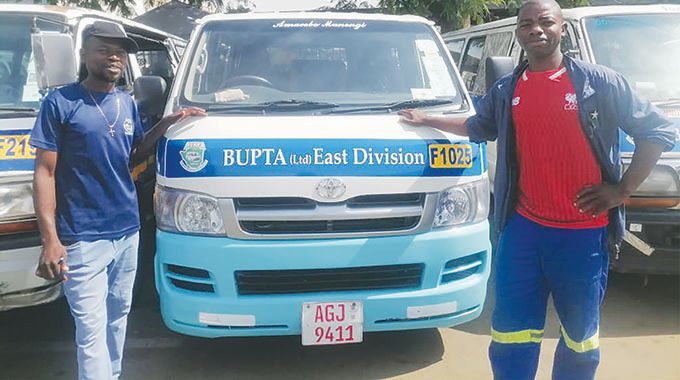
Michelle Musandinyoze, Zimpapers Writer
AS most of Bulawayo stirs slowly on a festive morning, the city’s commuter omnibus crews are already awake, wiping sleep from their eyes and dust from their windscreens.
At 5am, the sky above the city is still bruised purple, the air cool and quiet. But at a corner rank, a white Toyota Hiace coughs to life, its engine breaking the silence. Inside, driver Sibusiso “Sbuda” Ndlovu adjusts his cap while his conductor, Thamsanqa Moyo, counts coins into a battered metal tin.
“Abanye bayabe besalele emakhaya labo kodwa thina siyasebenza (Others will be sleeping at home, but we are working),” Moyo says with a half-smile.
For many families, the festive season is about rest, reunions and long lunches. For kombi crews, it is one of the busiest — and most demanding — times of the year.
Ndlovu has been driving commuter omnibuses for 14 years. This Christmas and New Year, like many before it, he did not wake up to presents or a family breakfast.
“My children are in Nkayi with their mother. I phoned them early and that’s all I could do,” he says.
Ndlovu shrugs, eyes fixed on the road. “If I don’t work during holidays, we don’t eat or the children will not go to school when they open later this month,” he said.
At 6am, the Large City Hall taxi rank begins to fill. Vendors unwrap their wares, the smell of fried fat-cakes mixing with exhaust fumes. Passengers — some clutching cooler boxes, others dragging small suitcases, crowd around the kombis.
“Waterford! Hope Fountain! Killarney!” Moyo calls out in a shrill, well-practised voice.
For kombi crews, patience is currency. Tempers flare easily during the festive rush. Some passengers are drunk before midday, others are anxious to reach homes.
“You must know how to talk to people. If you shout back, the day is ruined,” says Moyo.
By midday, hunger sets in. There is no long lunch, no family table. Moyo parks briefly near a tuckshop, buying a plate of isitshwala/sadza and beef stew wrapped in plastic.
They eat while standing, watching the kombi like hawks.
“If you leave it too long, someone will scratch it, or traffic police will come,” Ndlovu says between bites.
Moyo laughs. “Or passengers will start fighting over seats.”
The afternoon brings heat and fatigue. Sweat beads on foreheads. The conductor’s voice grows rougher, the driver’s shoulders stiffer. Still, they push on, trip after trip.
“People think holidays are easy for us, but this is when we work the hardest,” says Moyo.
Not all is strain. Sometimes, there are moments that soften the day.
By 8pm, after nearly 15 hours on the road, Ndlovu finally turns back towards the rank.
“My body is tired, but tomorrow, we come again,” he admits.
Moyo locks the sliding door and counts the day’s earnings. It is not much, but it is enough to carry them into another day.
“Holiday or not, people must move. And if people must move, we will be here,” he says softly.
Several other commuter omnibus crews echoed similar sentiments in interviews, saying the festive season leaves little room for rest.
Bulawayo United Public Transporters’ Association (Bupta) rank marshal for the City-Killarney route, Thabani Mlalazi, said the festive period is among the busiest times of the year.
“I work hard for my family, which means I cannot rest. My shift starts around 3am and ends at about 8pm after six consecutive trips,” he said.
“If I fail to report for work, it means losses. I cannot risk that when my family and the Bulawayo community depend on me.”
Beyond long hours, kombi crews contend with congestion, erratic passenger demand, police roadblocks, municipal regulations and rising operating costs.
Another driver, who identified himself only as Mzet, said waking up to commute had become a way of life.
“This job is central to my life and my family. I am happy when I see my kombi full during the festive season because it means we are making good money,” he said.
However, he said policing remained one of their biggest challenges.
“Some police officers make our work difficult, always demanding money for anything,” he alleged.
“Even when I am tired and overwhelmed, I am driven by the need to make money so that I do not become unemployed. This job puts food on the table.”



 derick.khumalo