malvernmugadzikwa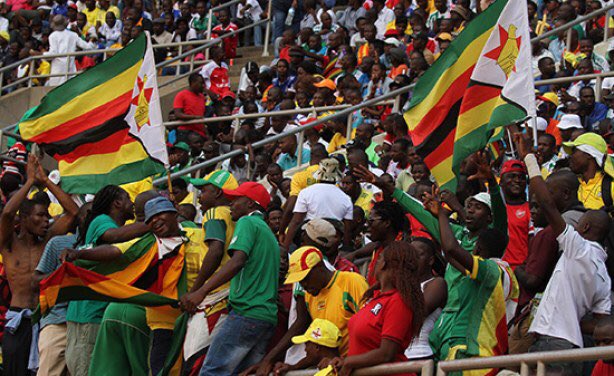
Alfred Nyakuhwa
THE Premier Soccer League (PSL) is currently grappling with a stadium crisis, as only eight venues across the country are available to host Castle Lager Premier Soccer League matches.
This has resulted in the PSL extending the mid-season break by three weeks to allow clubs to negotiate lease agreements with new stadium owners.
Harare teams, together with those from Kariba and Shamva, were affected by the closure of the National Sports Stadium, which was home to eight PSL clubs.
The stadium was closed to allow the authorities to attend to water reticulation challenges, as well as pave the way for regeneration of the pitch.
There is need to critically analyse the stadium challenges domestic football is facing.
Is this a symptom of broader challenges?
Background
Football is the most popular sport in Zimbabwe. It is played in schools, community grounds, mining towns, villages, districts and major cities.
Religious groups, political parties, musicians and corporates all use football to send messages, entertain crowds, unite people and promote different products.
Some football leaders have used the sport to extend their power and influence, and to become national political leaders.
In Zimbabwe, football is one of the main activities during Independence Day celebrations and other key national events.
Infrastructure
Most countries have developed their sporting infrastructure by bidding to host international sporting events such as the African Games (All-Africa Games), CAF and FIFA international competitions.
Zimbabwe won the bid to host the 2000 Africa Cup of Nations competition but it was withdrawn after the country failed to construct the stadiums on time.
Stadiums like Sakubva (Mutare), Torwood (Kwekwe) and Gwanzura (Harare), which were supposed to be developed, were left to deteriorate.
Rufaro and Barbourfields were partially developed during the 1995 All-Africa Games and the 2014 AUSC Region Five Games.
Club Licensing
After stadium disasters in many parts of the world, including South Africa, where many fans died due to stampedes at football matches, FIFA resolved to improve the safety and security of fans, players and officials before, during and after matches.
FIFA tasked confederations such as CAF and their member associations to improve the infrastructure/stadiums to meet minimum standards for safety and security of users.
The security features included expansion of dressing rooms, reduction in the height of pitch fences, creation of exit routes and bucket seats to control overcrowding.
FIFA, through their development programmes, assisted member associations to achieve some of the goals.
It is a pity that Zimbabwe, through ZIFA, did not take advantage of the programmes like what other countries that include Botswana, Rwanda, Zambia and Sierra Leone did; they have benefitted a lot from the FIFA programmes.
Since independence, local authorities have been providing stadiums through their housing and community services departments. The local authorities have been responsible for venues like Rufaro, Ascot, Gwanzura, Sakubva, Barbourfields, Luveve, Vengere and White City.
However, the councils failed to maintain or refurbish these facilities.
It is a pity that the Harare, Bulawayo and Mutare local authorities decided to establish football clubs, a move that seems to be draining the councils’ coffers.
One may argue that, instead of sponsoring football clubs like Bulawayo City, Harare City and Mutare City Rovers, funds should have been used to support infrastructure development.
It was only the former mayor of the City of Harare, Bernard Manyenyeni, who became a lone voice against using council resources to fund the football team.
All these teams were eventually relegated from the PSL to lower divisions.
National sports policy
In light of the challenge being faced by football in particular and sport in general, the Government — through the Sports and Recreation Commission (SRC) and the Ministry of Youth, Sport, Arts and Recreation — must come up with a new sports policy in order to promote sport.
Restructuring ZIFA
There is need to restructure ZIFA from area zones, schools, tertiary institutions, districts, provinces, regions and the PSL.
The association must carry out a survey of all football activities taking place across the country.
PSL and National First Division
The PSL should be reduced to 12 teams and have a similar number of teams in the National First Division. This will create more competitive leagues.
Football administrators
Tertiary institutions must be encouraged to offer sports administration and management courses. Currently, most tertiary institutions are not offering such courses.
With these and other measures being put in place, Zimbabwe may not be found wanting when the suspension by FIFA from international football is eventually lifted.
Alfred Nyakuhwa is a social commentator with a particular interest in sport. Feedback: [email protected]


 Online Reporter