


 malvernmugadzikwa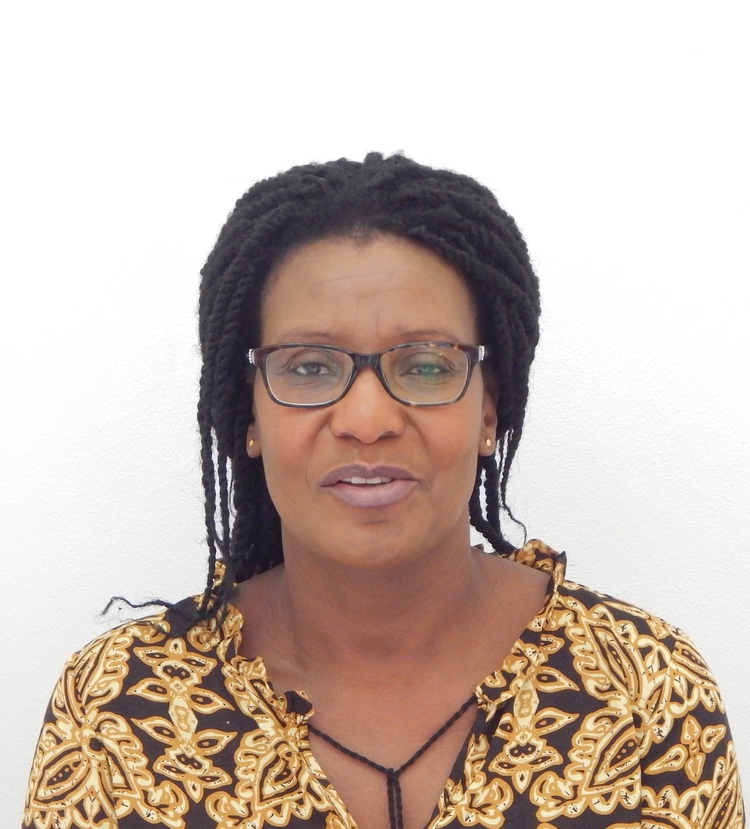
Disability Issues
Dr Christine Peta
DEFINING disability has been a complex, controversial, multidimensional and evolving issue dating back to the 17th century.
As a result, there is no single standard definition of disability that is accepted worldwide. Even the United Nations (UN) Convention on the Rights of Persons with Disabilities itself does not define disability. However, it states in Article I that: “Persons with disabilities include those who have long-term physical, mental, intellectual or sensory impairments which, in interaction with various barriers, may hinder their full and effective participation in society on an equal basis with others.”
Disability is socially constructed; hence societies have different ways of understanding it, influenced at most by their cultural belief systems. For example, some Asian countries that believe in rebirth may see disability as a temporary phase of the reincarnation process.
In some African communities, some people believe that the reason why some children are born with albinism is because their mothers slept with a white man or a ghost.
The significance of culture, as entrenched in the social construction of disability under the social model of incapacity, can be reinforced by the fact that central ideologies of any given culture are constructed in such a manner that they end up becoming “common sense”, “natural” and “normal”.
Such normative cultural “scripts” influence the beliefs that inform people’s behaviours and the manner in which they conduct themselves. In illustrating the role that culture plays in the lives of persons with disabilities, some writers state that cultural interpretations of disability are much more limiting to incapacity than the impairment itself.
There is also need to realise that persons with disabilities are not a homogenous group; there are different types of disabilities and a wide range of needs. It is, therefore, not surprising that two people with the same type of disability, such as people with spinal cord injury-induced disability who are both wheelchair users, can experience the same type of disability in different ways.
Some disabilities, such as epilepsy, are invisible, while others are visible. The World Health Organisation (WHO) considers disability in the following ways:
Impairment: Refers to that which affects the person’s biological body or mental functioning; for example, losing a leg, arm, vision or hearing.
Activity limitation: Occurs when people struggle to hear, walk, see or solve problems.
Participation restrictions: This is when people experience limitations in daily living activities that include working or engaging in social and recreational activities.
Some people have congenital (from birth) disabilities and others acquire disabilities later on in life. Congenital disabilities are caused by disorders that may occur in a gene or chromosomes.
For example, some people may be born with Duchenne muscular dystrophy due to a disorder that may have occurred in a gene, while others may be born with Down syndrome due to a disorder that may have occurred in the chromosomes. Some mothers may be exposed to infections such as rubella or may partake of drugs, alcohol and cigarettes during pregnancy, resulting in their babies being born with disabilities.
The WHO published the International Classification of Functioning, Disability and Health (ICF) in 2001.
The ICF provides a standard language for classifying body function and structure, activity, participation levels and conditions in the world around us that influence health.
This description helps to assess the health, functioning, activities and factors in the environment that either help or create barriers for people to fully participate in society.
Nonetheless, in Zimbabwe, the Department of Disability Affairs in the Ministry of Public Service, Labour and Social Welfare has embarked on a project of developing a harmonised framework that will unify the assessment, determination and referral processes.
This will contribute to more consistent and equitable service provision for persons with disabilities in a context which seeks to eliminate fragmentation and inconsistencies in service access.
Dr Christine Peta is a disability, public health, policy, international development and research expert who is the national director of Disability Affairs in Zimbabwe. She can be contacted on: [email protected]


 Online Reporter