Online Reporter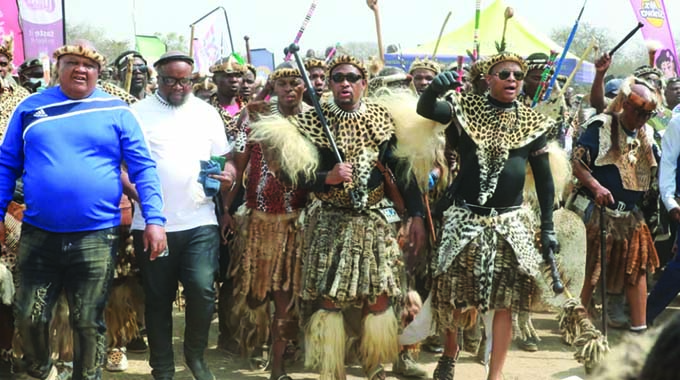
Raymond Jaravaza/ Langalakhe Mabena, Zimpapers Reporters
MHLAHLANDLELA, usually a quiet historical site on the outskirts of Bulawayo, burst into life yesterday as thousands gathered to honour the founding father of the Ndebele nation, King Mzilikazi.
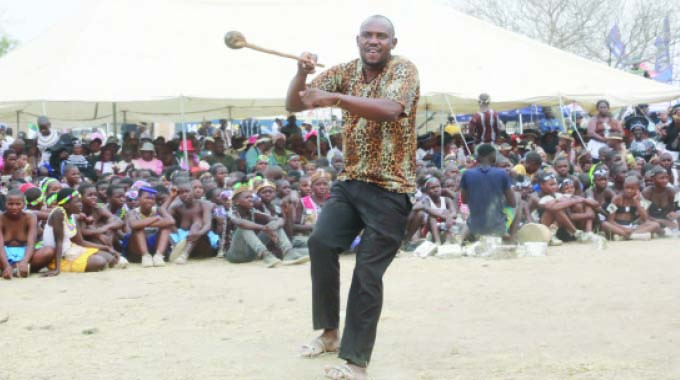
The royal palace grounds, often silent save for whispers of history, were transformed into a colourful hive of activity, a place where music, dance and memory intertwined to celebrate King Mzilikazi’s legacy.
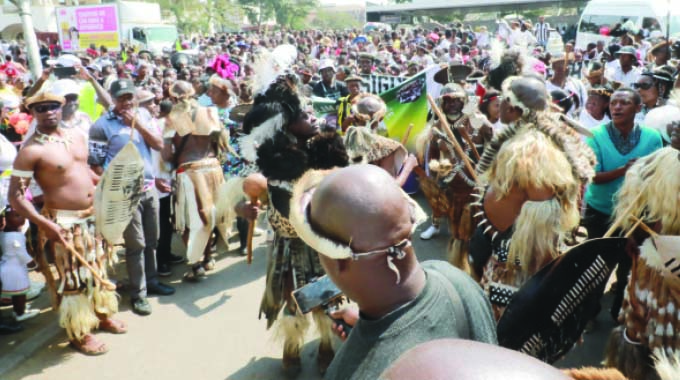
From the elderly in traditional attire, children and cultural groups in vibrant regalia, to curious visitors from as far as Russia, South Africa, Botswana and Namibia, the commemorations turned Mhlahlandlela into a melting pot of unity and heritage.
King Mzilikazi, born near Mkuze in Zululand in 1790, is remembered for his courage and leadership in forging the Ndebele nation after breaking away from King Shaka in 1823. His final resting place lies at Entumbane in Matobo, 20 kilometres from Bulawayo, where he was buried following his death on 9 September 1868.
Yesterday marked 157 years since his passing, a story not only of remembrance but also of identity and belonging for generations across Zimbabwe and beyond.
For many, the commemorations were personal. Russian tourist Mr Andrey Ivin (38), who stumbled upon the celebrations by chance, said he was overwhelmed by the passion Zimbabweans showed in honouring their history.
“I had been touring Masvingo and Great Zimbabwe for the past three days. Today (yesterday) morning I saw a crowd in Bulawayo City Centre and decided to follow. I ended up here at Mhlahlandlela and I don’t regret it,” he said.
“What I witnessed is a people deeply in love with their culture. This is something I will proudly share with my family back in Russia.”
For poet, Mr Sam Ntumbane Mabhena, who travelled from South Africa, the commemorations highlighted Mzilikazi’s enduring role as a unifier.

“What I saw yesterday was a clear sign of how incredible King Mzilikazi was. Different ethnic groups from the Venda, Sotho, Shangani, Nguni, Kalanga, Tswana, Shona and Ndebele were all gathered to celebrate his legacy, something that proves how unifying Mzilikazi was,” he said.
“This event attracted children, youth as well as older people, a great thing that unifies our nation. Such events have to be embraced because the reconnect is with our roots.”
Locals also expressed the significance of the day. Mr Nkosana Ndlovu from Matopo attended for the first time and admitted he was astonished by the atmosphere.
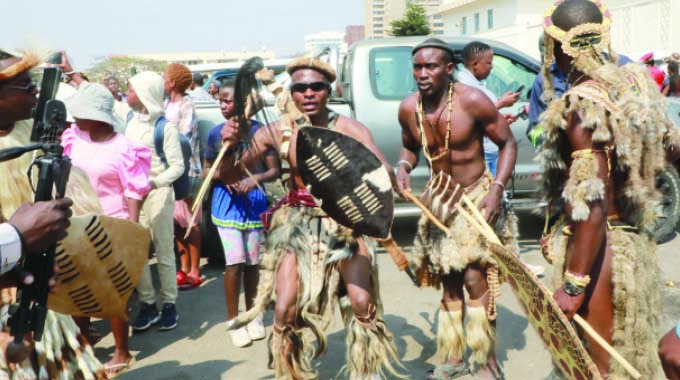
“This place is usually quiet, but today it’s alive. I’ve never seen so many people come together to honour their culture and heritage. It shows just how great King Mzilikazi was,” he said.
For others, the day was about passing on lessons to younger generations. Mr Isabel Dube (60) of Kezi in Matobo District said King Mzilikazi Day commemorations were not a one-day event but a continuous generational lesson for future generations.
“It’s important for us to bring our grandchildren here at Mhlahlandlela to celebrate the legacy of King Mzilikazi. Our generation is getting older by the day, hence we must show our children and grandchildren where we come from,” he said.
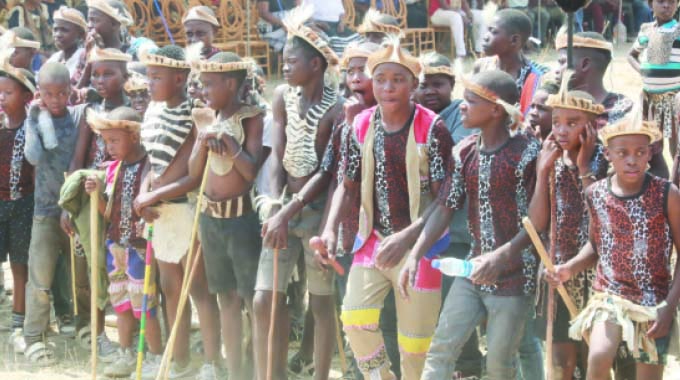
Similarly, Ms Abigail Dube, a teacher from Nkayi District in Matabeleland North Province, came with her pupils.
Continues on www.sundaynews.co.zw
“I have been coming here for the King Mzilikazi Day commemorations for years. I feel it’s important for our future generations to understand the significance of King Mzilikazi Day celebrations. We are here to celebrate the legacy of a King who build a nation,” she said.
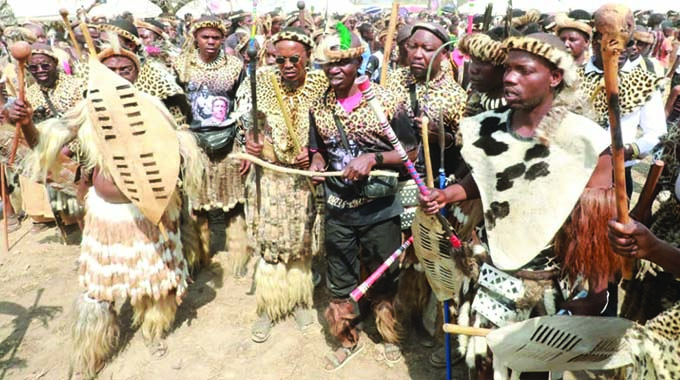
The commemorations were also a celebration of cultural preservation, echoing the work of late historian Pathisa Nyathi, who documented Ndebele history in his book titled: Battle of Pupu and Beyond.
His work highlighted how, despite inferior weaponry, the Ndebele nation under King Lobengula triumphed in resistance battles, proof of their courage and resilience.
In the book, Nyathi documented how the Maxim gun was deployed first to fight the Ndebele nation, but they still triumphed at the Pupu Battle, where 34 whites were killed.
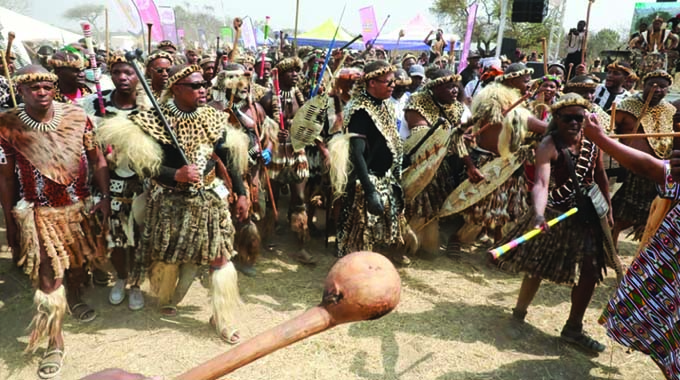
The Battle of Pupu, fought on 4 December 1893, stands as a pivotal event in Zimbabwean history. It marked the clash between colonial forces and the Ndebele Kingdom, led by King Lobengula.
Under the command of General Mtshane Khumalo, King Lobengula’s Imbizo Regiment became the vanguard of resistance. Their mission was to protect Matabeleland from the advancing colonial forces.
Pupu, located in Lupane, became the battleground. Major Allan Wilson led a 34-strong colonial patrol, armed with superior weaponry, including Maxim guns and cannons. Their goal, which was to capture King Lobengula failed.
Yesterday at Mhlahlandlela, history was not confined to books or distant memory. It was lived, breathed and danced as people from all walks of life celebrated King Mzilikazi’s legacy of unity, strength and shared pride, crossing boundaries of race, tribe and creed.



 Bongani Ndlovu