Vusumuzi Dube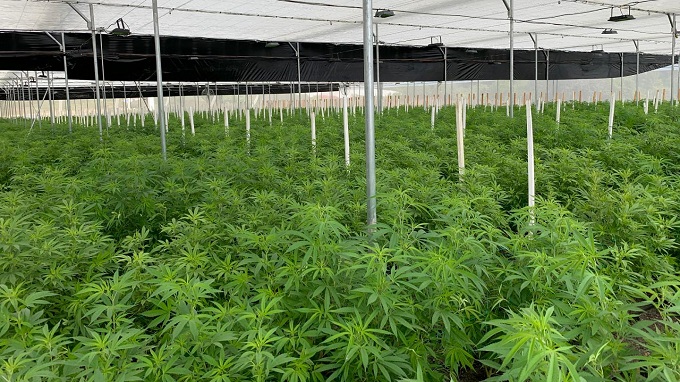
As the culture surrounding cannabis continues to expand globally, the discussion around cultivation methods has become more nuanced, more informed, and far more interesting than it once was. Among collectors, enthusiasts, and gardeners, one of the most enduring comparisons revolves around Indoor weed and Outdoor weed. While both represent the same plant species, the environments in which they develop shape them into two remarkably different expressions of the same genetic potential.
Today’s cultivation landscape is driven by innovation, environmental adaptation, and a growing appreciation for how varying conditions influence plant characteristics. Instead of framing indoor and outdoor cultivation as opposing categories, many modern enthusiasts now see them as complementary approaches—each offering unique qualities worth exploring.
The Precision and Consistency of Indoor Weed
When people refer to Indoor weed, they’re often describing plants grown in carefully controlled environments—spaces where temperature, humidity, airflow, and light exposure are all meticulously managed. This precision gives cultivators the ability to fine-tune conditions to match the plant’s genetic needs, often resulting in highly consistent traits.
Collectors and enthusiasts appreciate indoor-grown cannabis for its uniform appearance. The buds tend to be dense, visually striking, and rich in terpene expression. The controlled setting also allows for near-perfect lighting cycles, which can enhance color development and aromatic intensity. Some enthusiasts enjoy comparing indoor-grown versions of familiar genetics to their outdoor counterparts specifically because of these refined qualities.
One of the standout characteristics of indoor-grown cannabis is predictability. Cultivators have the ability to isolate variables, experiment with different nutrient regimens, and maintain strict oversight—making indoor weed a popular topic among those who enjoy detailed discussions around phenotype stability and environmental control.
The Natural Strength and Distinctive Appeal of Outdoor Weed
By contrast, Outdoor weed embraces the full influence of natural elements. Sunlight, soil conditions, rainfall, and regional climate all play a role in shaping outdoor-grown plants. This interaction with nature often results in larger plants with broader structural development, as outdoor space allows for greater root expansion and unrestricted growth.
Many enthusiasts describe outdoor-grown cannabis as having a more “authentic” or earthy aromatic profile. Sun-grown plants often exhibit complex terpenes that develop in response to environmental stressors—an effect sometimes referred to as terroir, drawing parallels to how grapes develop distinct profiles based on their growing region.
Outdoor weed’s natural variation is one of its most admired features. While indoor cultivation promotes consistency, outdoor plants often express subtle phenotype differences, giving collectors and gardeners a more dynamic experience when comparing traits. This connection to natural cycles and environmental diversity is a key reason why outdoor-grown cannabis continues to hold strong cultural significance, particularly in regions known for favorable climates.
Complementary, Not Competing: Why Both Approaches Matter
As the global conversation around cultivation advances, the divide between Indoor weed and Outdoor weed has shifted from competitive comparisons to an appreciation of their unique strengths. Indoor-grown cannabis is admired for its precision, aesthetic appeal, and controlled terpene development, while outdoor weed is valued for its natural complexity, larger growth potential, and environmental influence.
Collectors who enjoy analyzing genetics often explore both categories to understand how specific strains or seed lines express themselves under different conditions. The contrast between indoor and outdoor versions of a plant can reveal insights into resilience, coloration, aroma development, and overall plant behavior.
A Growing Trend: Mixed-Method Appreciation
Increasingly, enthusiasts are embracing both indoor and outdoor cultivation styles rather than choosing one exclusively. This mixed-method appreciation allows for a broader exploration of plant genetics and highlights how environment shapes expression.
By comparing Indoor weed with Outdoor weed, cultivators and collectors gain a richer, more informed perspective—one that celebrates the versatility of the plant and the diversity of its potential.



 Online Reporter