

 Online Reporter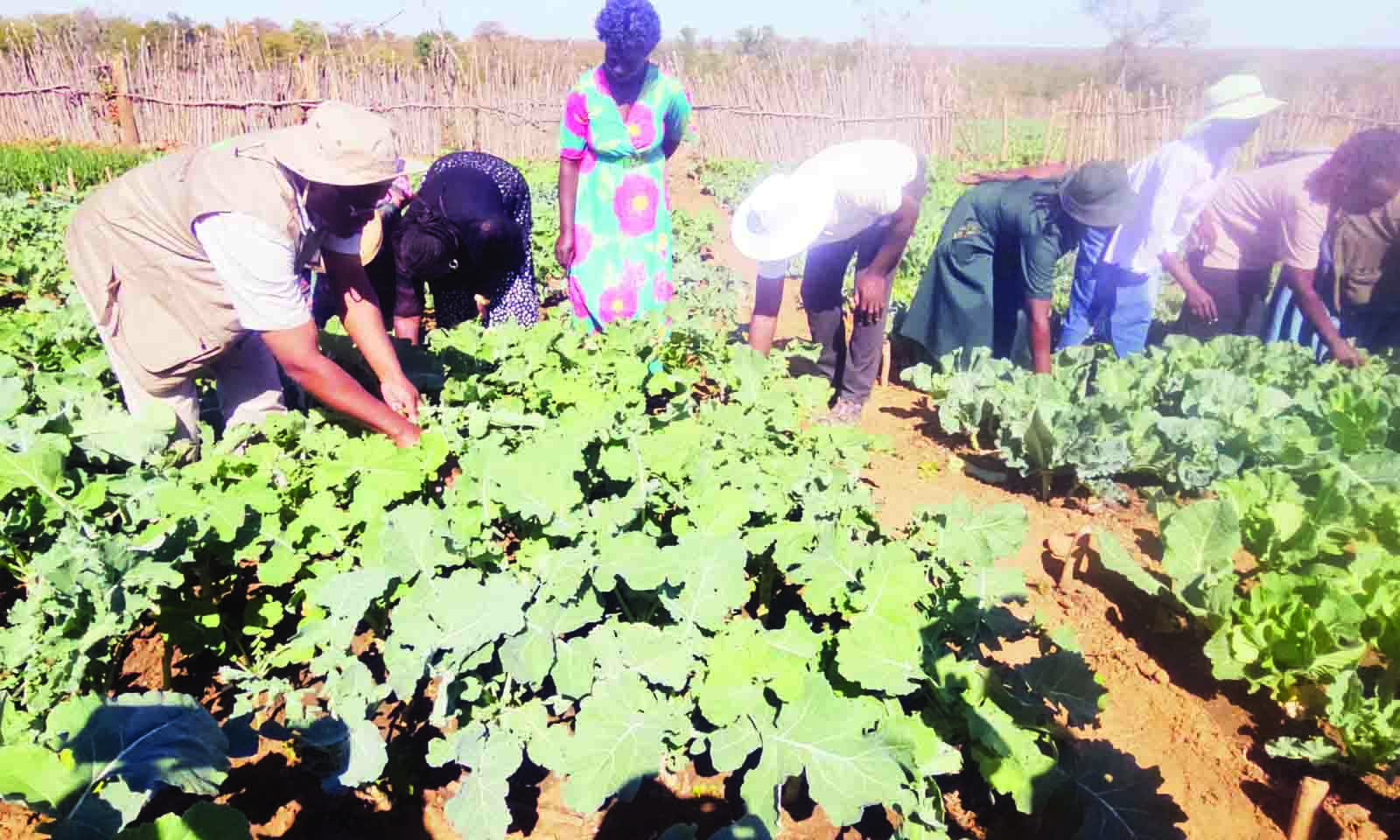
Precious Manomano
Herald Reporter
In the heart of Ward 10, Sanyati District in Mashonaland West Province, a quiet agricultural revolution is advancing.
Once marked by food insecurity and limited income opportunities, 13 villages have now found new hope on a vibrant piece of land known as the Chousvinu Nutrition Garden.
What began as a modest community initiative has blossomed into a symbol of resilience, empowerment and transformation.
Rows of lush vegetables stretch across the garden, tended with care by local farmers, who have turned their hands to the soil and their fortunes around.
For these villagers, the garden has become a vehicle for dignity, independence and growth.
Through the Presidential Input Scheme, they receive seed packs to cultivate nutrient-rich crops.
The vegetables feed their families and are also sold in nearby markets, generating incomes that were once unimaginable in this remote corner of the country.
“The revival of our nutrition garden has changed our lives,” said Mrs Edith Rupiza, one of the local farmers.
“With the money we earn, our children can now go to school, and we have fresh vegetables every day.
“Our health is better, and we no longer worry as much about hunger.”
Her story is echoed throughout the village, representing a shared experience of change powered by food and community action.
A vision of rural transformation
Speaking at a recent horticulture field day held in Sanyati, Agricultural Rural Development Advisory Services (ARDAS) acting chief director, Mr Leonard Munamati, hailed the garden as a model for rural development.
“We want to convert the nutrition garden into a village business unit,” he said.
“By drilling a solar-powered borehole, we can ensure a year-round water supply.
“That will boost productivity and link farmers to bigger markets.”
He said that the block farming system adopted by the community has made planning, planting and selling more efficient.
“Each farmer faces no challenges with the market because the demand is high,” added Mr Munamati.
“People around here are eager to buy the vegetables.
“Moreover, many farmers are learning to add value to their produce by drying vegetables, allowing them to sustain their families even during off-seasons.”
The water hurdle
Despite the project’s success, water remains a constant headache for the villagers.
The nearby dam is nearly dry, and the looming threat of seasonal droughts weighs heavily on the community.
It is a crisis that could reverse hard-won gains.
“If the government drills a borehole, it will change our lives significantly,” said Mr Fidelis Takaruza, another farmer involved in the project.
“We will no longer have to fear water shortages that affect both our gardens and our livestock.”
Mr Munamati also highlighted this concern.
He noted that securing a solar-powered borehole would not only stabilise agriculture but transform the entire community’s way of life.
“The current dam holds very little water, which poses a challenge for both farming and livestock,” said Mr Munamati.
“If we can secure a solar-powered borehole for the community, we will alleviate these water challenges and significantly transform lives here.”
Lifeline
However, the Chousvinu Nutrition Garden remains a lifeline for dozens of locals.
It is providing jobs, improving diets and helping villagers build a better future.
It is also part of a larger vision under the Presidential Rural Development Programme, which seeks to drill a borehole in every one of Zimbabwe’s 35 000 rural villages.
Under this programme, authorities aim to empower rural communities with reliable water, modern farming practices and the tools to stimulate accelerated self-sufficiency.



