Online Reporter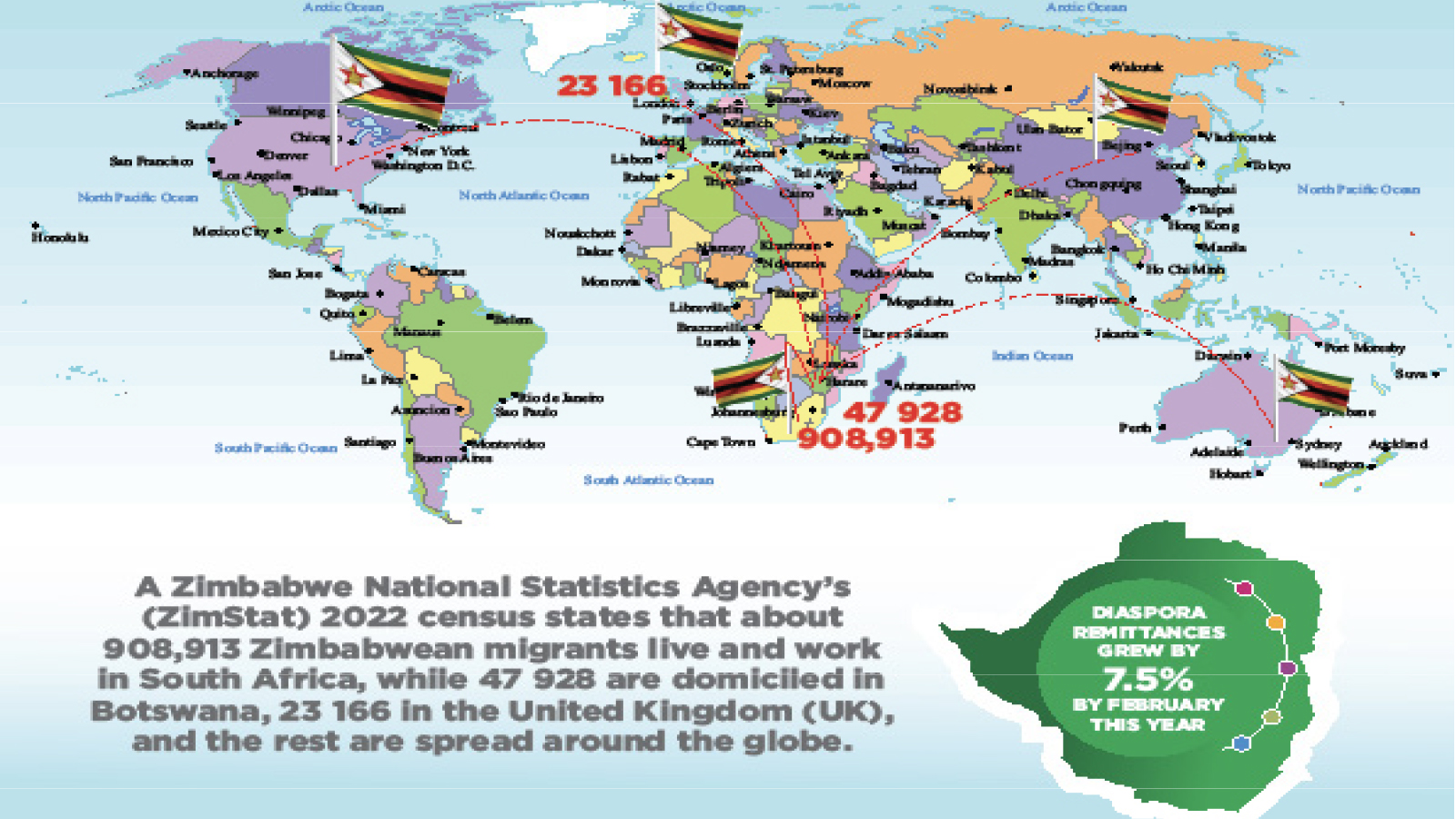
Theseus Shambare
EVERY day, Zimbabweans dotted around the world send a staggering US$6 million back home.
These funds help sustain households and communities, as well as oil local economic activities.
This year, Treasury expects remittances to rise to US$2,49 billion, up from US$2,2 billion in 2024.
However, behind these numbers are stories of love stretched across rivers and oceans — children growing up without daily hugs, parents navigating the anxiety that comes with separation and families holding onto hope that their sacrifices will bear fruit back home.
Migration is not new to Zimbabwe.
From letters of the Wenera (a bastardisation of Wenela) era to WhatsApp calls and social media updates today, families have survived, adapted and sometimes thrived despite distance.
While the past was purely about survival, today’s diaspora is more inclined to dignity, investment and redefining the meaning of love and family.
In the 1970s, John Tatire left Marange in Manicaland province to work in South African mines under Wenela (Witwatersrand Native Labour Association), chasing the promise of wealth.
“My generation left with hope and returned with grief,” Tatire recalled.
“We worked underground, stayed in hostels, ate little and many friends never came back home. The money never reached our families. Migration back then was about survival, not dignity.”
In 2008, when the economy was affected by hyperinflation, Innocent Kazanhi (44) left Chiunye village in Mudzi district in search of greener pastures.

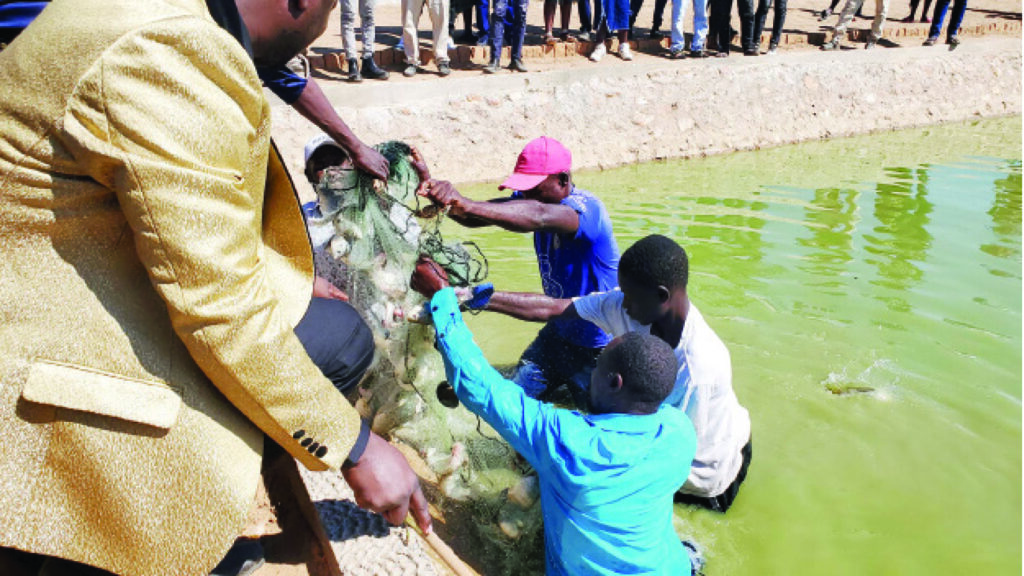
Innocent Kazanhi at his Mudzi homestead, where he runs a thriving fish venture.
He started as a taxi driver in Johannesburg, then became a truck driver and eventually established a transport business, delivering goods across the Southern African Development Community (SADC) region.
“I could have stayed in South Africa enjoying life, but I wanted to bring hope home,” he said, pointing to his fishponds, poultry, goats, horticulture projects and borehole.
“My dream is not just for my family — it is for every child in this community who deserves water, food and internet.”
For Simbarashe Rusere, who works in Germany while his wife and only child remain in Zimbabwe, migration is both a blessing and a struggle.
“I video-call my daughter every night, but I have never held her as she falls asleep. Paperwork keeps my family there while I am here, but I keep telling myself one day we will live together again.”
His hope takes the form of investment, as he channels savings into income-generating projects back home.
“I do not just want to return with money — I want to return on another level, building something my child will be proud of.”
For many women, migration is also reshaping family roles and community contributions.
Fortunate Nyika, a nurse in the United Kingdom, shared her experience.
“I left for the sake of my children, not for luxury. I miss cooking for them, but I know my remittances pay their school fees and build a better future,” she said.
Her husband now runs the household in Masvingo, showing how migration stretches traditional definitions of love and gender roles.
A study by the International Organisation for Migration (IOM), titled “Migrants’ Remittances and Development”, highlights the multiplier effect of such investments. It shows that remittances invested in productive projects improve livelihoods and transform entire communities.
However, the emotional cost of migration is felt most acutely by children like Rufaro Zhou (14), who lives with her grandmother while her parents work in the United Kingdom.
“I hear my mother’s voice on WhatsApp calls, but I miss her hugs. Sometimes I cry alone when I see other children with their parents.”
Dr Memory Mandizha, a child psychologist, explained: “Financial support is critical, but emotional support shapes identity and resilience. Children of families in the diaspora grow up with resources, but often without the daily affection that makes them feel secure.”
In 2023, Zimbabwe signed a bilateral agreement with Rwanda allowing teachers to migrate under a Government-monitored programme, ensuring safe work conditions and legal employment.
“I teach in Kigali now. I know my rights are protected, I earn well and I am gaining new skills I will bring home one day,” said a 34-year-old Zimbabwean teacher from Mberengwa.
“It is hard being away from my children, but at least I know I am safe and the Government checks on our welfare regularly.”
Minister of Public Service, Labour and Social Welfare Edgar Moyo emphasised that migration can build the nation if done legally.
“Through bilateral agreements with Rwanda and other countries, our citizens gain skills, protection and opportunities to invest back home.”
Yet not all journeys are safe.
Some Zimbabweans take irregular routes, falling prey to traffickers or abusive employers.
IOM assisted hundreds of stranded migrants overseas in 2024 alone.
“Migration without safeguards is a gamble with lives. Education, legal channels and structured programmes are critical for protection,” said Simon Masanga, Permanent Secretary in the Ministry of Public Service, Labour and Social Welfare.
From Wenera miners to today’s truck drivers, nurses, teachers and influencers returning home, migration is part of Zimbabwe’s DNA — contributing over 14 percent of gross domestic product (GDP).
But the true gain comes when remittances are paired with skill transfer, entrepreneurship and emotional reconnection.
Kazanhi embodies this evolution — building wealth abroad while nurturing his home community.
Simbarashe Rusere balances hope, investment and family dreams amid bureaucratic delays.
As the sun sets over Chiunye, Kazanhi scatters feed into his fishponds.
In Marange, Tatire reflects on decades of lost time yet cherishes lessons learnt.
In Kigali, a Zimbabwean teacher prepares a lesson plan far from her children.
And in Chitungwiza, Rufaro drifts to sleep after a WhatsApp call with her mother.
Migration tests love, challenges resilience and stretches families across continents, but it also creates opportunities for hope, education, skills transfer and transformation.
From Wenera to WhatsApp, Zimbabweans continue to redefine family, community and nationhood, proving that migration today is not just about survival, but about bringing home more than remittances.