Online Reporter
Mbulelo Mpofu, [email protected]
AS the British Council’s Creative Economy Week Zimbabwe 2026 (CEW) draws to a close today, the Amagugu International Heritage Centre (AIHC) is preparing to deliver a memorable finale: the public unveiling of its ground-breaking project documenting Zimbabwe’s disappearing indigenous cuisines.
Led by AIHC Executive Director Allington Ndlovu, the centre’s mini expo and exhibition opening mark the culmination of months of collaborative research and a bold assertion of food as an expression of cultural sovereignty.
Working under CEW’s theme, “Inclusive Creativity and Collaboration — Kuvaka Pamwe, Ukukhula Okuhlanganisayo,” the event showcases the initiative titled “Documenting the Long Lost African Cuisines Using Videography and Art.”
The project, implemented in partnership with Magriza Made Me Cook, African Food Revolution (AFR), Travel Savvy Transport Ltd, and the community of Matobo Ward 17, is supported by the British Council’s Catalyst Grant programme.
“This Mini Expo is more than a display; it’s a vital act of cultural preservation and economic activation. We are deliberately documenting these disappearing dishes because food, beyond nutrition, is a profound art and cultural expression.
“It embodies taboos, rituals, ceremonies, proverbs, and our very world-view. Indigenous food is a repository of our culture — an epistemic foundation crucial for heritage-based education and decolonial approaches,” emphasised Ndlovu.
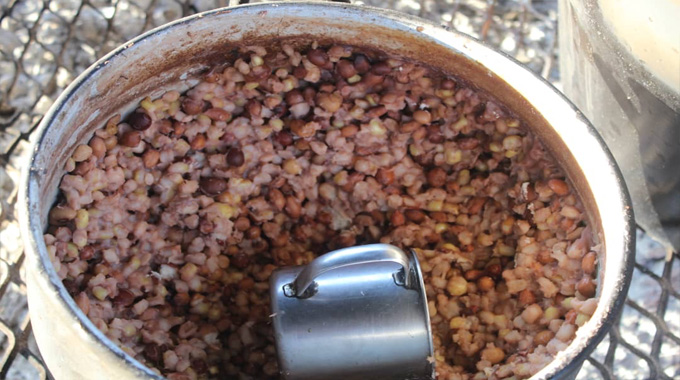
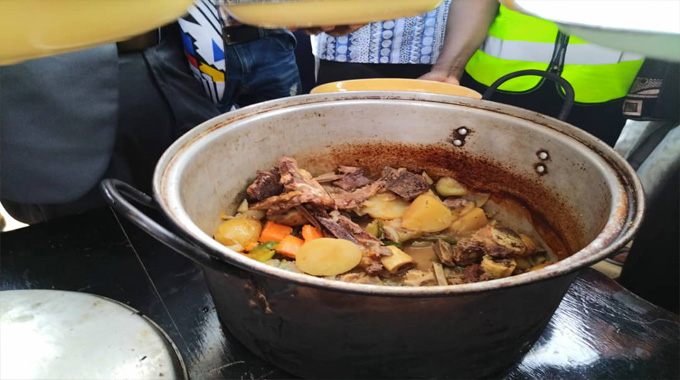
Open to the public at the AIHC, the event promises a vibrant celebration of indigenous culinary heritage through a dynamic, community-centred programme. Proceedings begin with the opening of a curated photographic exhibition featuring striking high definition images of endangered dishes from Matobo and surrounding areas — a vivid visual archive of meals increasingly endangered by urbanisation and evolving food systems.
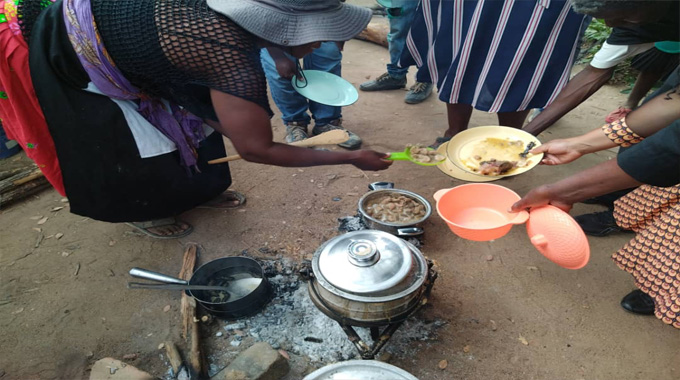
This is followed by the première of a documentary by Magriza Made Me Cook, tracing the project’s journey from grassroots research and live cooking demonstrations to intimate oral testimonies from the women who have safeguarded these recipes for generations.
A panel discussion — “The importance of collaborations in documenting long lost African cuisines” — then explores how inclusive partnerships between rural knowledge holders, researchers, chefs, artists and institutions can support sustainable heritage preservation while ensuring that communities retain ownership of their cultural knowledge.
During this session, AFR, led by Makhosi Mahlangu, will present findings from its baseline survey and research paper mapping disappearing dishes and examining their socio-economic and cultural value.
The programme continues with interactive pop-up quizzes, traditional games and networking sessions before culminating in guided tours of food stalls where visitors can sample and purchase revived indigenous dishes.
These sales directly support the Matobo women and culinary practitioners who anchor this cultural revival.
Ndlovu stressed that the project’s purpose extends far deeper than documentation.
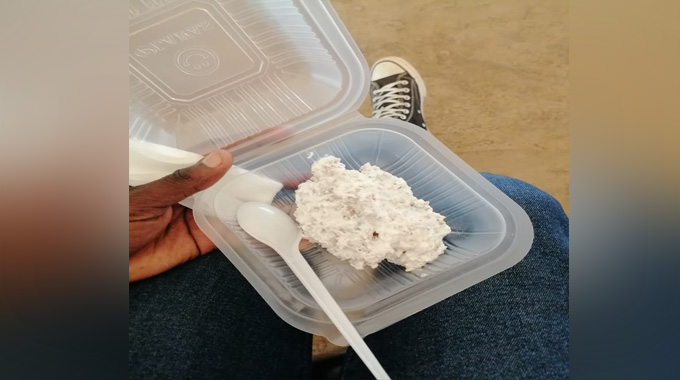
“Another reason why we are deliberate in the documentation of these disappearing dishes is the understanding that food, on its own, beyond nutrition, is art and a cultural expression. There are so many taboos, rituals, ceremonies, proverbs, sayings, idioms, and cultural norms that are deeply embedded in our African cuisines.
“One of the conversations that is being tabled these days is the issue of resources and knowledge systems to support the heritage-based curriculum in Zimbabwe and we understand as the cultural practitioners that traditional or indigenous food is a repository of our culture and hence it can be viewed from an epistemic point of view.
“So we are deliberate about the various documentation domains like videography, exhibitions and Research papers because audiences need to be in touch with their indigenous food and it goes without saying that these dishes play a pivotal role in our decolonial approaches and historical reconstruction of our motherland. We have noted the unwavering connection between these foods, language, performances and spirituality hence the disappearing dishes need urgent documentation if we are to be truthful about reviving the long lost African culture.”
The mini expo embodies a critical shift from research to tangible community value, celebrating inclusive creativity and bringing together heritage custodians, creatives, scholars, chefs and the wider public. It also highlights practical economic opportunities through which communities can commercialise their culinary heritage to generate sustainable livelihoods. More than a cultural showcase, the event demonstrates how heritage preservation, innovation and community-driven enterprise can reinforce one another, ensuring that indigenous knowledge systems remain relevant and economically empowering.
“This event restores pride and visibility to indigenous African food systems. It ensures they are documented, celebrated, and economically supported for generations to come. The unwavering connection between these foods, our language, performances, and spirituality demands urgent action if we are truthful about reviving long-lost African culture,” he said.
AIHC’s showcase provides a resonant conclusion to a dynamic CEW 2026, which brought together artistes, creative entrepreneurs, policymakers, investors and cultural leaders from across Zimbabwe and the UK.
Through masterclasses, exhibitions, showcases and roundtables spanning fashion, design, music, literature, theatre and entrepreneurship, the week highlighted the creative economy as a catalyst for innovation, opportunity and shared prosperity.
The AIHC event demonstrates how that vision translates into grassroots cultural safeguarding and community economic development — a powerful reminder that preserving heritage and fostering prosperity can, indeed, go hand-in-hand. —@MbuleloMpofu