Online Reporter
Sikhumbuzo Moyo, [email protected]
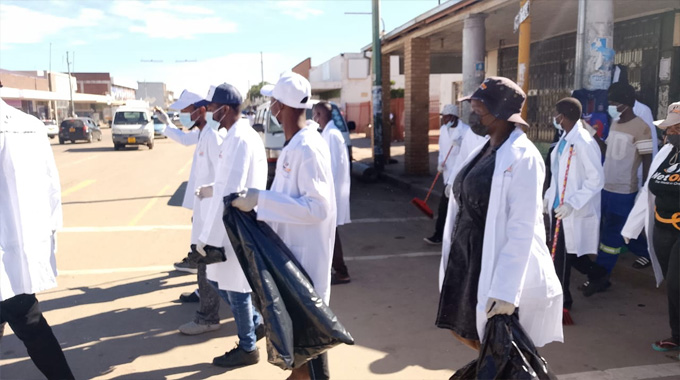
PRESIDENT Mnangagwa’s national clean-up initiative continued to ripple through Bulawayo yesterday, gathering energy, colour and community spirit as church leaders, NetOne staff and residents united for a sweeping clean-up campaign that felt as much symbolic as it was practical. What began as a simple civic routine has, month after month, evolved into a moment of collective renewal — a gentle reminder that a nation cleans itself not only with brooms and gloves but with intention and shared purpose.
Held on the first Friday of every month, the clean-up movement now mobilises thousands across Zimbabwe, its growing numbers reflecting an awakened public consciousness about health, dignity and environmental stewardship. What once felt like a government directive has softened into a community ritual, an hour where difference dissolves and residents work side by side for the good of the spaces they inhabit.
Yesterday’s effort was led by the Minister of State for Provincial Affairs and Devolution in Bulawayo, Judith Ncube, who urged households to reclaim their front-line role in protecting their surroundings through responsible waste practices. She extended warm praise to the Zimbabwe Heads of Christian Denominations (ZHOCD) for organising the initiative under the theme: “From Household to Community: Driving Zero Waste Together,” a motto that gently nudges citizens to understand that national cleanliness begins at the doorstep.

“The clean-up programme complements broader environmental initiatives, including commemorations of Africa Environment Day, whose theme focuses on ‘Biodiversity and Traditional Knowledge: Conserving Health and Livelihoods’. Our environment provides us with vital resources such as clean air, water, food and medicinal plants that sustain our health and livelihoods,” said Minister Ncube, represented by her director, Mr Julius Gwatiwa.
Her message settled easily into the mood of the day — a reminder that small, seemingly mundane acts like separating litter or sweeping a pavement accumulate into a much wider social good. Minister Ncube acknowledged this, stressing that simple habits such as proper waste disposal and maintaining clean surroundings collectively create healthier and more resilient communities. Protecting ecosystems, she said, was a way of safeguarding biodiversity and the natural wealth on which people depend.
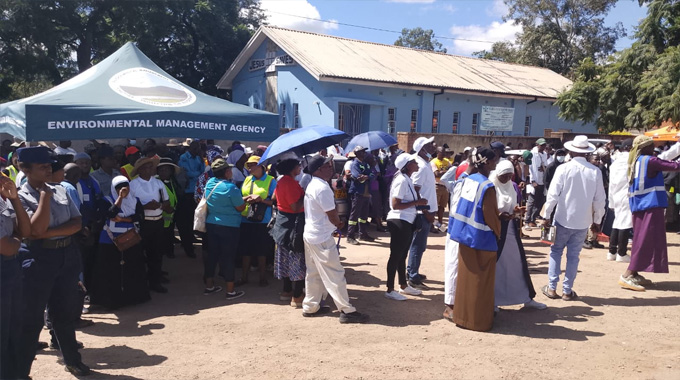
She expressed gratitude to churches and community groups who have stood behind the initiative from its inception, singling out the Evangelical Fellowship of Zimbabwe, the Zimbabwe Council of Churches, the Zimbabwe Catholic Bishops Conference and the union for the Development of Apostolic Churches in Zimbabwe, Africa. Their steady participation, she noted, symbolises the moral leadership that faith communities often play in national efforts.
Her appreciation extended to the Environmental Management Agency and the Bulawayo City Council for coordinating the clean-up, with growing involvement from schools, businesses, community associations and individuals.
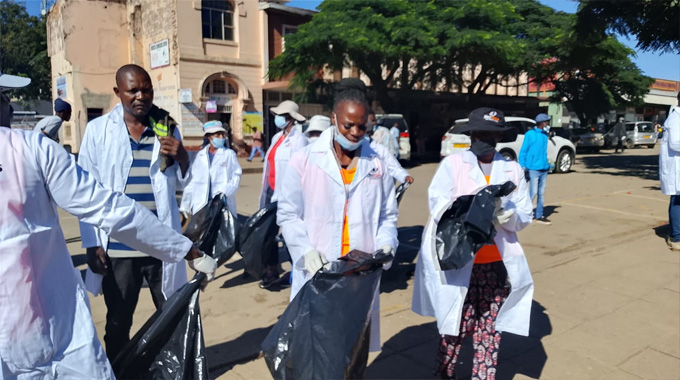
“It’s inspiring to see communities coming together every month to take ownership of our city. Your efforts are making a tangible difference in the cleanliness and overall appearance of Bulawayo,” she said.
The minister added that keeping a clean environment is a responsibility that cannot be outsourced to monthly campaigns alone.
“The clean-up programme does not only make our city clean, but also helps build a culture that values cleanliness and environmental responsibility while strengthening bonds within our communities,” she said.
She encouraged residents, businesses and leaders to carry the spirit of cleanliness beyond their homes and into their neighbourhoods as the nation strives toward ‘zero waste’ and a healthier future.
“Together we can build a cleaner, greener and more sustainable environment as we reach Vision 2030,” said Minister Ncube.
Representing the churches, Apostle Ndumiso Khumalo framed the clean-up as both civic duty and spiritual calling.
“As we clean our City, we must also clean ourselves in our hearts, do good works in the name of Jesus. Another mandate of the church is that it must be an example in all good and clean things,” he said.
The church, he added, must lead by example: “If we have good laws such as the clean-up campaign, the church must lead from the front to show and encourage citizens to follow suit.”
NetOne’s head of public relations, Mr Richard Mahomva, echoed this appreciation, thanking churches for responding to President Mnangagwa’s call.
“I want to appreciate the church leaders and their congregates who are with us here, which is proof of the importance of churches. We want to indeed applaud you for organising this clean-up campaign,” he said.
He extended his gratitude to the wider Bulawayo community.
“To the Bulawayo community in general, you have shown that you are able to organise yourselves at the same time showing those that are not part of this programme ought to be educated so that they come on board. On behalf of NetOne I want to say thank you all,” said Mr Mahomva.