Online Reporter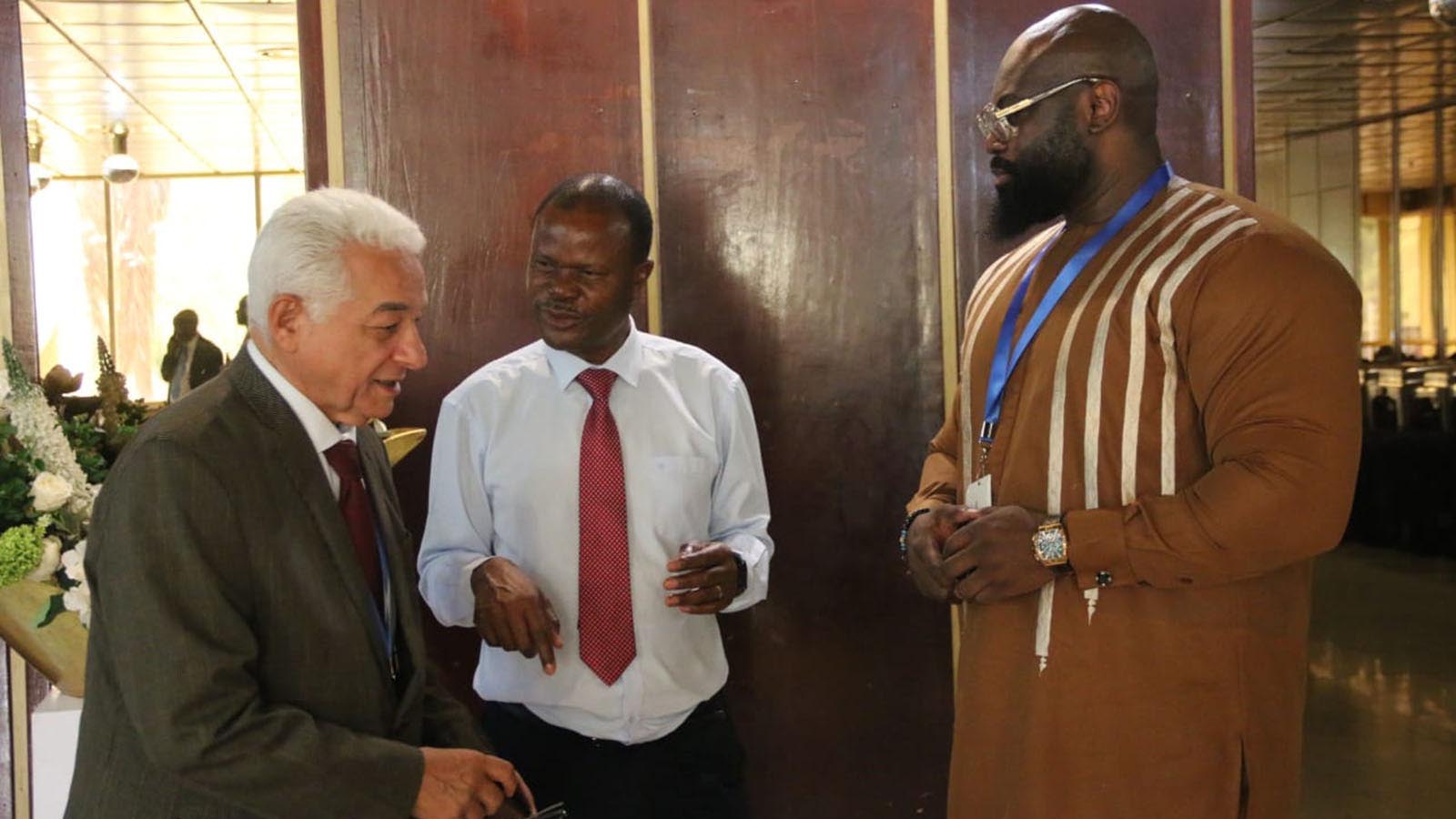
Nyore Madzianike
Senior Reporter
Universities and research institutions should work closely with the Government to ensure that Zimbabwe’s development remains rooted in its heritage, powered by home-grown ideas and guided by the shared vision of an empowered upper-middle-income society by 2030.
Academia and research bodies are also the intellectual engines of national progress, driving innovation, knowledge generation and evidence-based policy formulation.
This was said by Permanent Secretary in the Ministry of Foreign Affairs and International Trade and APRM for Zimbabwe Focal Point, Ambassador Albert Chimbindi, during the official opening of a focus group discussion with academia and policy think tanks drawn from various higher learning and policy formulation institutions.
The African union APRM review team, led by Lead Panel Member for Zimbabwe, Ambassador Aly El Hefny, is in the country to assess Zimbabwe’s economic governance and management.
“Let us continue to transform education into innovation and innovation into prosperity for all,” he said.
Ambassador Chimbindi said the role of academia and think tanks in national development cannot be overstated, noting that innovation, technology and intellectual capital determine a nation’s competitiveness.
He said Zimbabwe recognises this reality and continues to place education and research at the centre of its development agenda.
“Guided by the visionary leadership of His Excellency Dr Emmerson Dambudzo Mnangagwa, President of the Republic of Zimbabwe, our Government introduced the Heritage-Based Education Card and Self-Philosophy, which reorient higher and tertiary education from theory and academia alone to focus on innovation, industrialisation and community impact,” he said.
“Education 5.0 empowers universities to become drivers of economic transformation by producing goods, services and solutions that respond to national challenges.”
Ambassador Chimbindi said Zimbabwe continues to create an enabling environment for universities, innovation hubs and research centres to flourish, as enshrined in Section 13 of the Constitution, which mandates the State to involve people in the formulation and implementation of development programmes.
He said science parks and innovation centres across the country are now incubating industrial start-ups, developing indigenous technologies and fostering a culture of entrepreneurship among students and researchers.
Ambassador Chimbindi added that the country’s foreign policy is increasingly prioritising education, science and technological cooperation.
He said Zimbabwe is actively engaging in bilateral and multilateral partnerships aimed at promoting academic exchange, research collaboration and skills transfer.
“This aligns with Section 2 of the Constitution, which calls on the State to pursue foreign policies that promote international cooperation, peace and development,” he said.
“As a result, our diplomatic missions abroad continue to facilitate partnerships between Zimbabwean institutions and international counterparts to enhance research capacity, to mobilise resources and to expand access to emerging technologies.
“Such initiatives are helping bridge the gap between research and industry, while pursuing Zimbabwe as a hub for innovation in Africa and beyond.”
Ambassador Chimbindi said the ongoing APRM-targeted review on economic governance and management provides an opportunity for academia and think tanks to contribute analytical, data-driven insights and policy options that can strengthen governance systems and improve economic outcomes.
He said evidence-based research is indispensable to this process as it ensures that reforms are grounded in reality, measurable and sustainable.
“In line with Vision 2030 and the forthcoming National Development Strategy 2, the Government remains committed to promoting an economy that is modern, competitive and knowledge-driven.
Through Education 5.0 and science-led diplomacy, we are nurturing a generation of innovators who will build industries, create jobs and advance our national development priorities,” he said.
He urged scholars, researchers and policy experts to continue generating cutting-edge knowledge that informs policy, drives industrialisation and fosters inclusive growth.
He said partnerships between Government and academia are the cornerstone of a future-ready Zimbabwe — one that is innovative, self-reliant and globally competitive.
“Let us continue to work together with Government, universities and research institutions to ensure that Zimbabwe’s development remains anchored in our heritage, powered by our own ideas and inspired by our shared vision of an empowered, upper-middle-income society by 2030,” he said.
The peer review process runs until November 18. The African Peer Review (APR) Panel of Eminent Persons is being led by Lead Panel Member for Zimbabwe Ambassador Aly El Hefny.