Online Reporter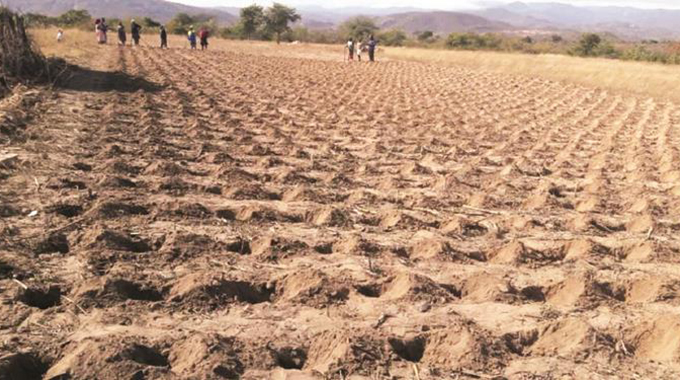
Agriculture Reporter
Pfumvudza is a farming concept to maximise productivity per unit area, even during drought periods.
Pfumvudza involves the utilisation of small pieces of land and applying the correct agronomic practices for higher returns.
In Pfumvudza, mulching is a crucial component that contributes significantly to the sustainability and productivity of the farming system.
Covering the soil with organic materials such as crop residues, leaves or grass mulching helps retain soil moisture, suppress weeds and regulate soil temperature.
This creates a conducive environment for plant growth, which is particularly important in regions prone to drought or erratic rainfall patterns.
As the mulch breaks down, it adds organic matter to the soil, improving its structure and fertility.
This enhances the soil’s water-holding capacity, reduces erosion and promotes beneficial microbial activity.
In the context of Pfumvudza, which emphasises minimal soil disturbance and permanent soil cover, mulching plays a vital role in maintaining soil health and promoting ecosystem services.
By adopting mulching practices, farmers in Zimbabwe can potentially increase crop yields, improve food security and contribute to a more sustainable agricultural future.
Tips from the Ministry of Lands, Agriculture, Fisheries, Water and Rural Development.