Online Reporter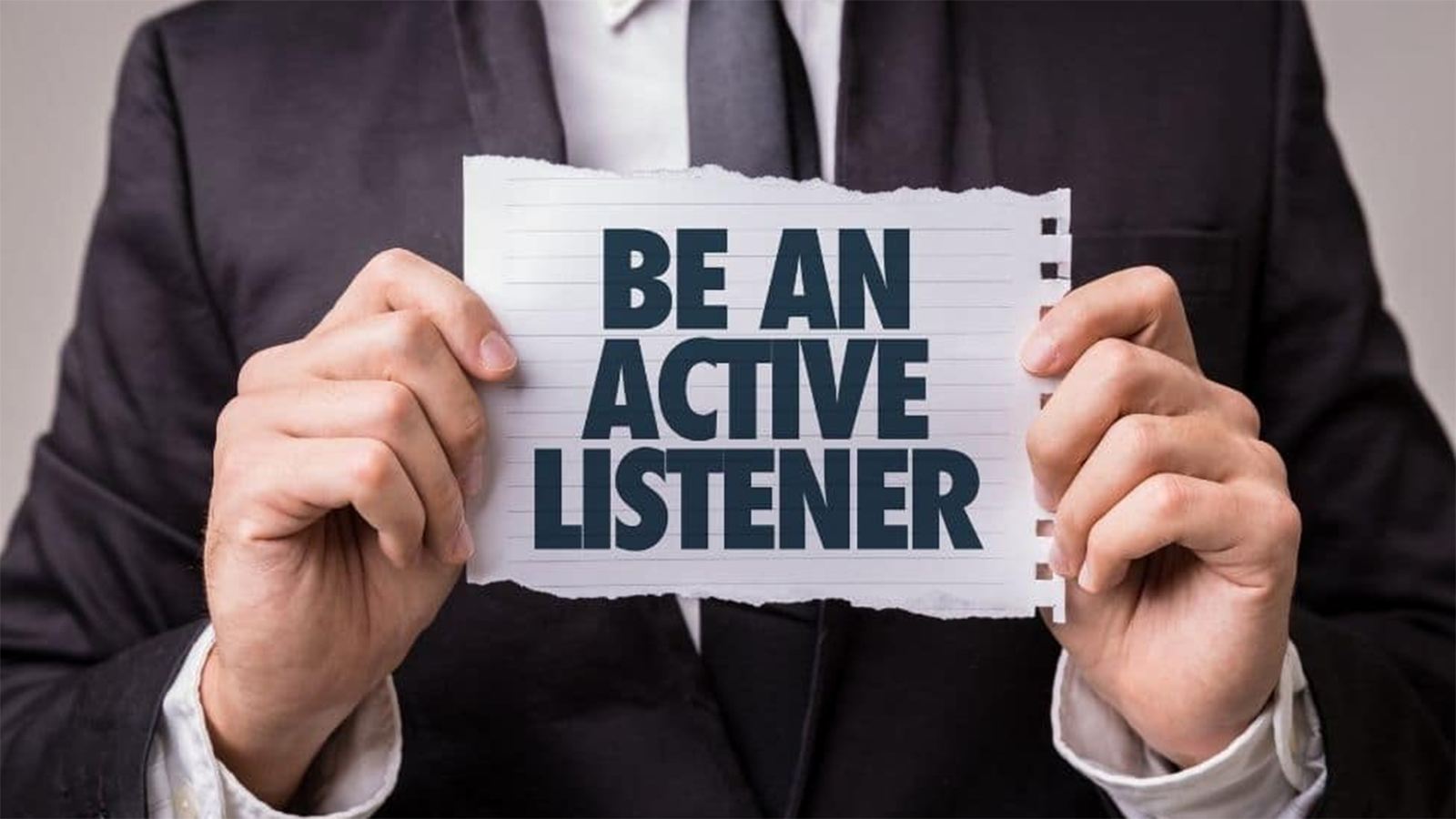
Coach Molly Chuma-Grooming
In today’s world of constant notifications, quick replies, and short attention spans, listening has become a lost art. Many of us hear, but few of us truly listen.
Yet active listening is one of the most powerful tools of etiquette and professional grace. It not only enhances communication but also builds trust, respect, and meaningful relationships.
When we think of etiquette, we often picture table manners, dress codes or polite greetings. But at its core, etiquette is about making others feel valued and respected.
Nothing communicates respect more than the gift of full attention. Active listening is, therefore, a hidden superpower, one that distinguishes leaders, nurtures friendships, and even heals broken connections.
What is active listening?
Active listening goes beyond passively hearing words. It is an intentional effort to understand the speaker’s message, both verbal and non-verbal. It requires attentiveness, empathy, and presence.
This means maintaining eye contact, nodding or giving small affirmations like “I see” or “That makes sense,” and resisting the urge to interrupt.
It also means listening with the goal of understanding, not just waiting for your turn to speak.
Too often in conversations, we mentally rehearse our responses instead of truly engaging with what the other person is saying.
Active listening challenges us to pause, absorb, and respond thoughtfully.
Why it matters in professional and social
Etiquette
1. Respect and validation — When you listen actively, you tell the other person, “You matter. Your voice is worth my time.”
That validation builds rapport and mutual respect.
2. Conflict resolution — Many disagreements escalate not because of differences in opinion but because people feel unheard.
Active listening diffuses tension by showing empathy and consideration.
3. Leadership and influence — The best leaders are often the best listeners. By understanding others’ perspectives, they make informed decisions and inspire loyalty.
4. Cultural sensitivity — In cultures like ours in Zimbabwe, attentive listening is woven into respect. Greeting elders, acknowledging pauses in speech, or allowing someone to finish before responding reflects humility and discipline. Active listening honours these cultural values.
The role of body language
Our bodies often speak louder than words.
Leaning slightly forward, nodding, and keeping an open posture communicate engagement. In contrast, fidgeting, checking your phone, or looking around sends the message that your attention is elsewhere.
I often think of my cat when I reflect on the discipline of listening. No matter what it is going through, my cat remains alert, poised, and attentive to its surroundings. Its ears twitch at the faintest sound, its eyes stay focused on movement. It reminds me that listening is as much about presence as it is about hearing words.
Common barriers to active listening
Distractions: Phones, emails, and background noise compete for our attention.
Prejudgment: Assuming you already know what someone will say stops you from hearing fully.
Emotional reactions: Sometimes, we get so caught up in our feelings that we stop listening.
Time pressure: In fast-paced environments, people often rush conversations instead of being present.
Recognising these barriers is the first step to overcoming them.
How to practice active listening
1. Be fully present — Put away distractions and give the speaker your undivided attention.
2. Show you’re listening — Use nods, facial expressions, or short verbal cues.
3. Reflect and clarify — Paraphrase what you heard: “So what you’re saying is…” This ensures accuracy and shows engagement.
4. Avoid interrupting — Let the speaker finish before you respond. Silence can be powerful.
5. Respond with empathy — Instead of jumping to solutions, acknowledge the speaker’s emotions: “That sounds challenging.”
6. Adapt Cculturally — In Shona or Ndebele culture, for instance, responding with respectful affirmations like “ndazvinzwa” or “ngiyavuma” shows attentiveness. Understanding these cultural nuances makes listening even more meaningful.
The ripple effect of active listening
When you listen actively, you don’t just improve your relationships—you inspire others to listen better too.
In workplaces, active listening fosters collaboration and innovation. In families, it strengthens bonds. In friendships, it deepens trust.
Etiquette is not about perfection; it is about making others feel valued. Active listening is a quiet but profound way to do just that. It is a skill we can all cultivate, one conversation at a time.
Final thoughts
We live in a noisy world where everyone wants to be heard. But the true leaders, professionals, and gracious individuals are those who know how to listen. Active listening transforms ordinary conversations into meaningful connections.
It is indeed a hidden superpower, an etiquette skill that costs nothing but yields everything.
So the next time you find yourself in a conversation, pause, look up, and listen not just with your ears but with your presence, empathy, and heart.