Online Reporter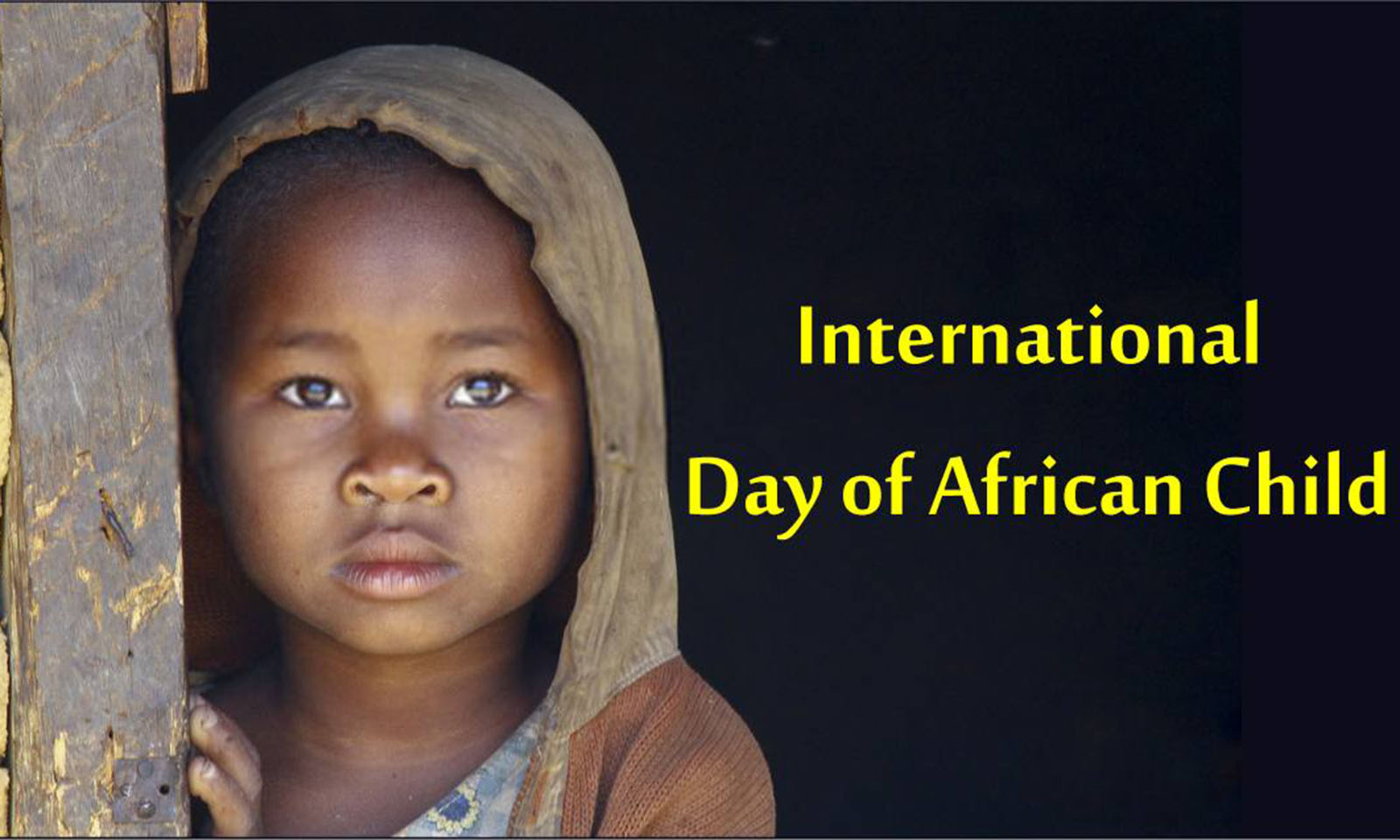
Herald Correspondents
In a local clinic in Zimbabwe, Patience, a nurse and midwife, counsels and supports women and girls on a daily basis – some who are trying to prevent a pregnancy, those who are soon to become first-time mothers, and others who are living with HIV and seek to take care of themselves and their partners.
This is a new generation of young people and adolescents who yearn for a better tomorrow, their health and well-being.
As we mark the Day of the African Child under the theme ‘Planning and Budgeting for Children’s Rights: Progress since 2010’, we are reminded that behind every statistic is a story, and behind every story is a future.
We must honour this day with renewed commitment and action to invest in children and adolescents as key agents of tomorrow’s development.
Patience often sees adolescent mothers – although she proudly notes a slight decline of teenage pregnancy in her community. Adolescent pregnancy, however, remains a national concern in Zimbabwe.
Between 2019 and 2022, over 360 000 girls aged 10 to 19 became pregnant, according to the 2023 National Assessment on Adolescent Pregnancies.
Alarmingly, one in four maternal deaths occur among adolescents.
These numbers highlight a stark reality in the country, but change is happening.
One such effort is the 2gether 4 SRHR joint UN regional programme—bringing together the combined efforts of UNAIDS, UNFPA, UNICEF, and WHO, with support from the Government of Sweden.
Since 2018, the programme has partnered with the Government of Zimbabwe to advance sexual and reproductive health and rights (SRHR), address HIV and combat gender-based violence (GBV).
A recent milestone for the programme was the adaptation of the WHO SRHR Self-Care Guidelines, which empower individuals, families, and communities to manage their health with or without the direct involvement of a healthcare worker.
These guidelines were tailored to meet urgent needs in Zimbabwe, particularly among adadolescent girls and young women.
Currently implemented in five districts across 70 health facilities, the model trains young women with lived experience to provide mentorship, psychosocial support, and SRHR education to their peers.
These mentors are currently connected to and supporting 3 350 pregnant and breastfeeding young mothers, and have engaged 2 111 male partners, adolescents and young people; rising rates of HIV, limited access to family planning, and high maternal mortality among adolescents.
In 2024 alone, outreach campaigns based on these guidelines reached over 12 000 young people, often the ones least likely to seek SRHR services when they need them most.
Through performances and information sessions, adolescents received vital knowledge about SRHR and gained access to tools like pregnancy tests, HIV self-testing kits, and self-administered treatments.
Put simply, self-care equips young people with knowledge, autonomy and access to confidential, youth-friendly services – putting young people at the driver’s seat of their health, well-being and future.
To further support adolescent girls, the programme is scaling up peer-led approaches, recognising that young people are often best placed to reach and support their peers.
This includes the Young Mentor Mother model, an innovative approach tailored for pregnant and breastfeeding critical step in promoting shared responsibility for reproductive health.
The model also aims to ensure that at least 3 350 babies are born HIV-free, contributing meaningfully to national efforts to eliminate mother-to-child transmission of HIV and strengthen family health outcomes.
To address the burden of early and unwanted pregnancy faced by the African girl child, the 2gether 4 SRHR programme also supported the roll-out of the Not-In-My-Village Campaign to end adolescent pregnancies and child marriages in five districts.
Through complementary funding, the campaign is now active in 15 districts with the National AIDS Council currently mobilising domestic resources to expand the campaign nationally.
A Call to Action
On this Day of the African Child, we call on all stakeholders, that is, Government, donors, development partners, civil society, families, and the private sector to unite in investing in adolescents and young people’s health and well-being, not just as beneficiaries, but as full partners.
There is a role for us all to play in making this investment a reality – starting by recognising that policies must reflect the realities and rights of the youth.
The law that sets the age of consent to sex at 18 has unintended consequences, particularly by limiting access to comprehensive SRHR services for those under 18.
Reforming such laws is not about encouraging early sexual activity, but about ensuring that young people are not denied critical health services and information.
Investment is needed in youth-friendly services, comprehensive sexuality education, community awareness, and safe spaces where young people – especially girls – can thrive.
Initiatives that equip youth with skills, protect them from violence, and enable their participation in decision-making must be scaled up and sustained.
Young people are not just the future, they are changemakers of today. Their stories remind us of both the vulnerabilities they face and the resilience they show. If we are committed to turning potential into progress, the time to act is now.
Let’s listen, invest, and stand with them – so that every young person, regardless of age or background, has the power and freedom to choose their own path.
This article was authored by Mr Henry Damisoni, UNAIDS Representative;
Ms Etona Ekole, UNICEF Representative;
Mrs Miranda Tabifor, UNFPA Representative and Dr Desta Tiruneh, WHO Representative.