Online Reporter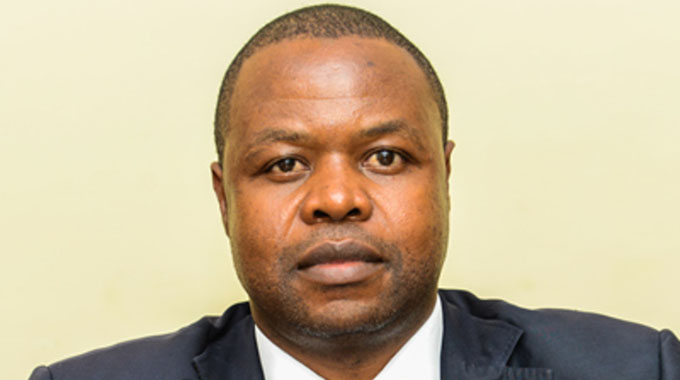
Africa Business Insights
Stephene Chikozho
AS the African Continental Free Trade Area (AfCFTA) enters its fifth year of implementation, the continent stands at a pivotal juncture. With the potential to create a US$3,4 trillion market and boost intra-African trade by 52 percent by 2025, AfCFTA promises to remodel Africa’s economic landscape.
Yet the critical question remains: Are African businesses prepared to seize this historic opportunity?
Mixed readiness: Optimism meets reality
A 2024 survey by the UK-Ghana Chamber of Commerce (UKGCC) reveals stark contrasts in business preparedness.
While 32 percent of Ghanaian firms claim readiness, 57 percent admit to being unprepared — a sentiment echoed across small and medium enterprises (SMEs) continent-wide.
High operational costs, fragmented regulations and infrastructure gaps persist as major hurdles. For instance, transport inefficiencies inflate intra-African trade costs by 30-40 percent, undermining competitiveness.
“AfCFTA is a game-changer, but we need more than optimism. SMEs lack affordable financing and clarity on trade protocols,” says Juliet Etefe, lead researcher for the UKGCC report.
Infrastructure and policy: Bridging the divide
Infrastructure deficits remain a critical barrier. Projects like the Lobito Corridor railway and the Tanzania-Zambia rail rehabilitation are aimed at enhancing connectivity, but Africa still faces a US$68 billion to US$108 billion annual funding gap. Meanwhile, political inertia slows progress — only 31 of 54 AfCFTA signatories have initiated trade under the agreement.
“The AfCFTA Transit Guarantee Scheme launching this year will eliminate multiple transit payments, but we need governments to prioritise harmonised policies,” emphasises Wamkele Mene, AfCFTA secretary-general.
Digital transformation: A catalyst for growth
Digital innovation offers a lifeline. Mobile payment systems like Ghana’s interoperability platform and Kenya’s M-Pesa are revolutionising cross-border transactions, while e-commerce giants like Jumia connect SMEs to continental markets.
However, regulatory fragmentation and data deficits hinder scalability. Only 34 percent of businesses leverage artificial intelligence (AI) tools, citing limited digital infrastructure.
“Africa’s regulatory frameworks must evolve to match our digital ambitions. Interoperability is key to unlocking a US$180 billion digital economy,” urges Ralph Mupita, CEO of MTN Group.
SMEs: The engine of growth
SMEs, which employ 90 percent of Africa’s workforce, face disproportionate hurdles. Difficulties in accessing affordable credit, challenges in complying with trade standards and bureaucratic delays stifle expansion.
Yet initiatives like Ghana’s One District, One Factory and Ethiopia’s industrial parks signal progress in value-added manufacturing.
“We’re modernising ports and roads, but SMEs need tax incentives and streamlined approvals to thrive,” asserts Ghana’s Vice President, Professor Naana Jane Opoku-Agyemang.
Leadership and collaboration: The path forward
Political will remains paramount. At the 2025 Africa Prosperity Dialogues, leaders like President John Mahama stressed the urgency of investing in energy, transport and digital infrastructure to bridge the “infrastructure gap”.
The private sector echoes this call, with DP World’s Mohammed Akoojee advocating sustained investment in education and logistics.
“AfCFTA isn’t just policy — it’s about transforming lives. We must act now to break barriers and build trust,” declares Prof Opoku-Agyemang.
Conclusion
AfCFTA’s success hinges on balancing ambition with action. While challenges like political instability and financing gaps persist, the opportunities — expanded markets, industrial growth and digital leapfrogging — are transformative. As African leaders rally behind the single market vision, businesses must adapt swiftly to compete in this new era of continental trade.
“The time for rhetoric is over. Let’s build an Africa where a farmer in Ghana can seamlessly sell to a retailer in Nigeria,” urges President Mahama.
The world is watching: Will Africa rise to the occasion?
Stephene Chikozho is chief executive of Africa Business Inc. He writes in his personal capacity. You can follow him on social media (Instagram, Facebook, X, LinkedIn, Threads) WhatsApp +263772409651 or email [email protected]



 Online Reporter