Online Reporter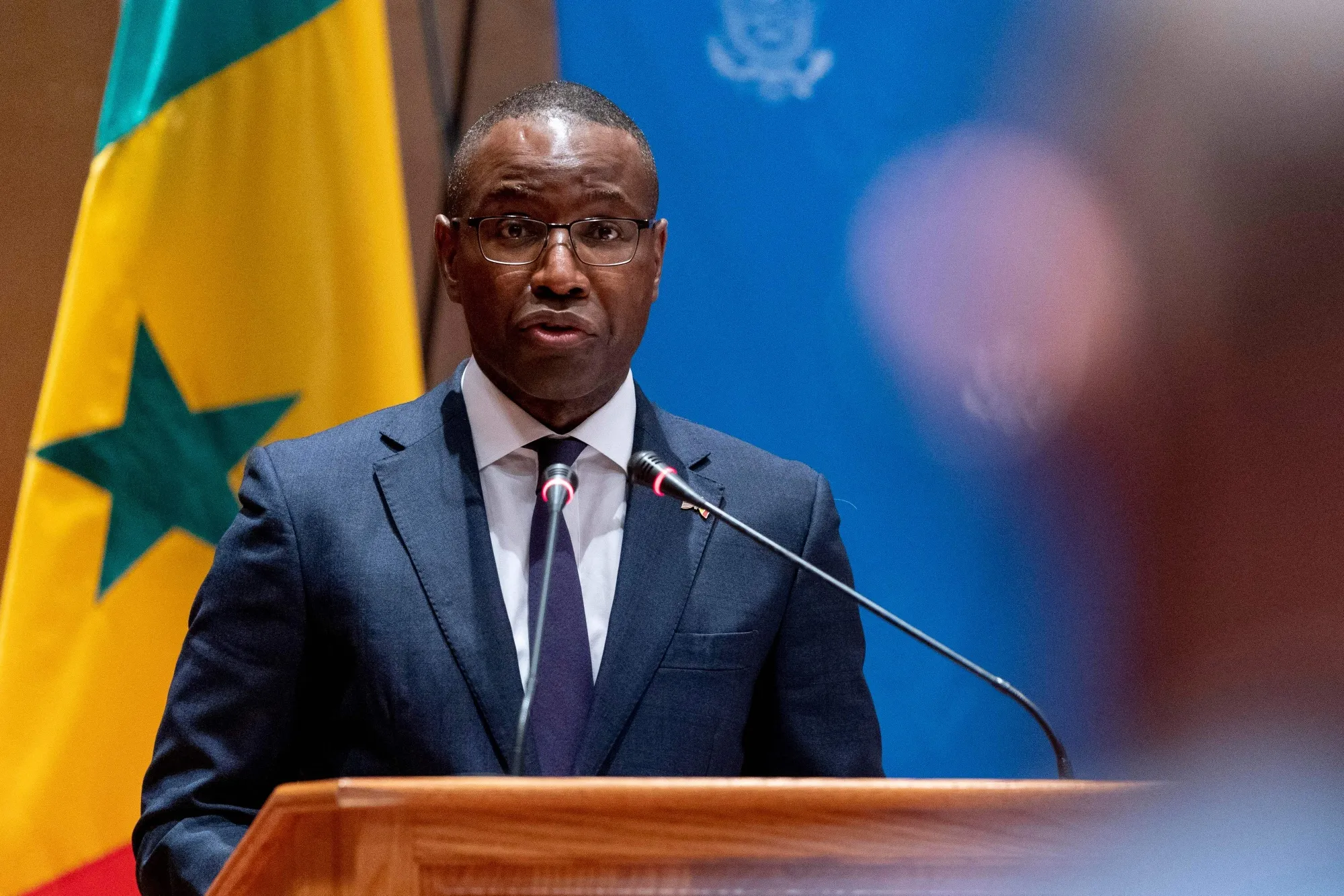
Africa should tap domestic private capital to fund development and reduce reliance on costly international borrowing, said a contender for the African Development Bank presidency.
The AfDB currently lends around $10 billion annually against regional needs topping US$100 billion, said Senegal’s Amadou Hott, who is one of five candidates vying to lead the bank as Nigeria’s Akinwumi Adesina prepares to step down.
Meanwhile, Africa’s wealthy individuals hold about US$2,5 trillion in assets, with another US$2 trillion managed by pension funds, sovereign wealth funds and insurers.
“The real breakthrough will come when we unlock our own US$4,5 trillion in domestic savings and investment capacity,” Hott, Senegal’s minister of economy, planning and cooperation between 2019 and 2022, said in an interview with Bloomberg News.
The vote on the next AfDB president is on May 29 during the bank’s annual meeting in Abidjan, Ivory Coast.
Whoever wins will take over at a moment of strain for Africa’s external finances as its needs — from infrastructure to health and climate adaptation — continue to grow.
US President Donald Trump has slashed aid to the region, including potentially pulling US$555 million from the AfDB’s African Development Fund which supports the poorest nations — and other Western donors have diverted development assistance to meet domestic needs, including on defence.
“What sustained the bank in the past will not be sufficient in the future,” said Hott, who stepped down last year as the bank’s vice president for power, energy, climate and green growth.
“My priority is to build an AfDB that helps countries stand on their own feet by raising their revenues, boosting their ratings and investing their own capital.”
Hott is seen as one of the front-runners alongside Mauritania’s Sidi Ould Tah and Zambia’s Samuel Maimbo. — Bloomberg.