admin
admin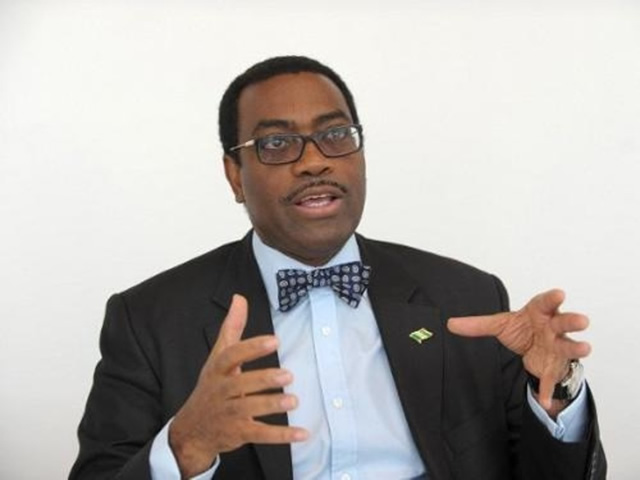
Victoria Ruzvidzo in KIGALI, Rwanda
Zimbabwe is set to benefit immensely from a project by the African Development Bank to create 25 million jobs in 10 years, at it moves to deal with high unemployment on the continent, particularly among the youth. This resonates with the Zimbabwe Agenda of sustainable Socio-Economic Transformation’s aspirations of redressing high unemployment levels.The Jobs for Africa Youth initiative is part of AfDB’s key projects under a portfolio that will also see it implement a New Deal on Energy In Africa to ensure the entire continent has access to power within a decade.
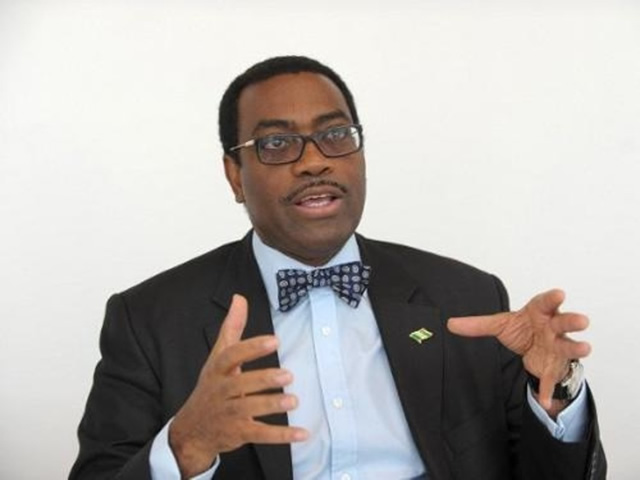
Addressing journalists attending the 26th World Economic Forum on Africa meeting here yesterday, AfDB President Akinwumi Ayodeji Adesina said he was upbeat about economic prospects on the continent, stressing the need to address issues of high unemployment and poor access to power and energy for more than half the continent’s population.
“Despite the global problems Africa is doing well. What that means is that African economies are very resilient but we need to address issues such as diversifying our economies, ensuring macro-economic stability and developing regional markets to reduce volatility,” he said.
Funds would be poured into viable projects and emphasis would also be placed on training.
President Mugabe has on many occasions emphasised the need to empower the youths as a strategy for sustainable economic development. It was part of his vision as the African Union chairman last year.
Jobs and energy are the two focus areas that form AfDB’s major campaign thrust at the on-going World economic Forum on Africa summit that began here on Wednesday.
At least two-thirds of youths on the continent are unemployed. This has the risk of worsening Socio-economic challenges if not addressed.
“Africa is a young continent and we have a job crisis. If we do not deal with this challenge, it will create serious problems for the continent,” he said.
As he addressed the opening plenary yesterday, Dr Adesina stressed that the 25 million jobs were not mere wishful thinking but would actually be realised.
“We have got to have a high ambition for Africa.
“We want Africa to be ready in terms of skills, capacity and the ability to take part in the Fourth Revolution (a period entailing the migration to digital production processes).”
It was unfortunate that some of the young Africans were losing their lives in their endeavour to cross the Mediterranean in search of a better life.
“The AfDB believes that the future of African youths does not lie in the depths of the Mediterranean but in tapping their talents and putting resources there,” said Dr Adesina.
On the other hand, energy was also a critical resource that the continent could not do without.
At least 645 million people in Africa, a continent of one billion people, do not have access to electricity.
This adversely constrained the continent’s development.
“How then do we talk about the Fourth Revolution when there is no power for the computers, to access the internet and so on?”
The WEF meeting began here yesterday as more than 1 200 regional and global leaders from government, business and civil society converge to deliberate and find solutions for challenges afflicting the continent.
The multiple stakeholders are largely expected to agree on strategic actions that can deliver economic growth and social prosperity across the continent.
The theme for this year is “Connecting Africa’s Resources through Digital Transformation”. The conference ends tomorrow. The AfDB, in conjunction with the World a Economic Forum, the World a Bank and OECD, have launched an action agenda to assist Africa economies improve their competitiveness.
This comes at a time when low commodity prices and the strengthening US dollar have exposed the continent’ slack of competitiveness and the need for diversification.
The agenda emphasises on better public and private sector collaboration and regional integration as critical to enhancing competitiveness.


 Online Reporter